

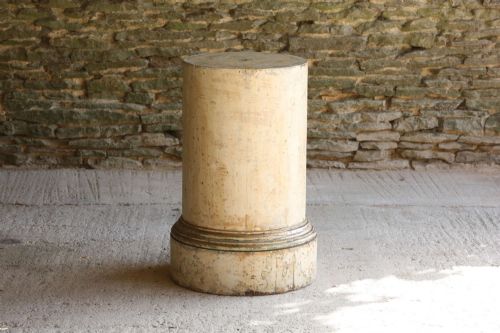
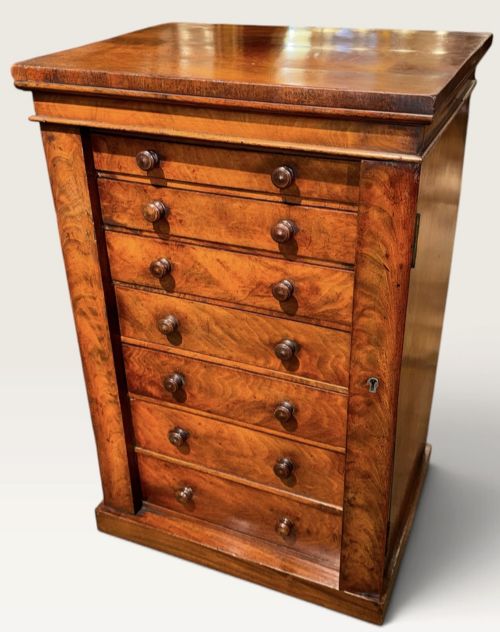
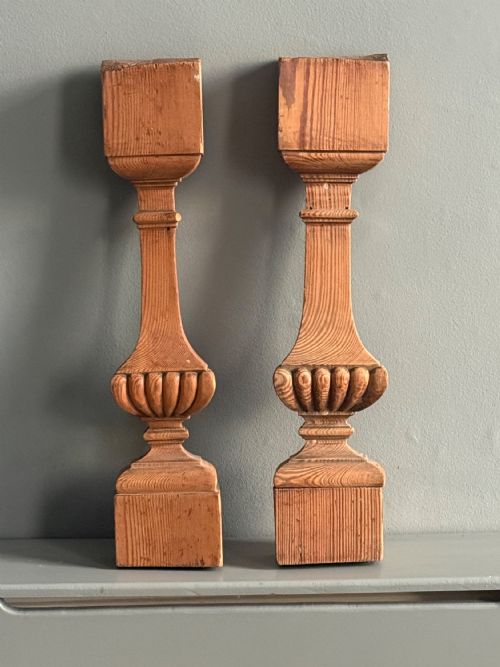
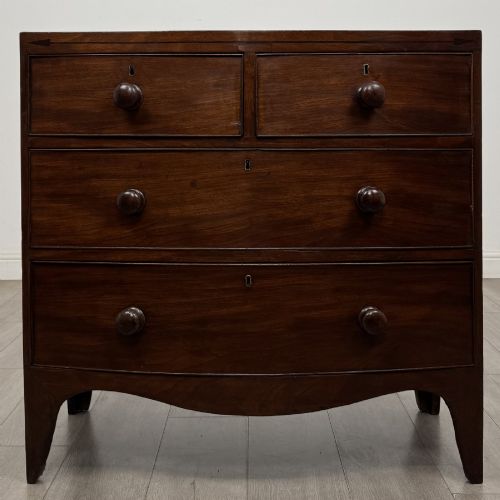
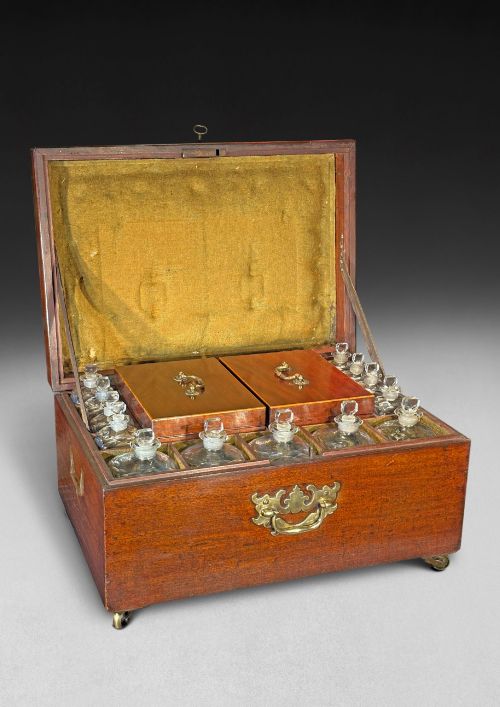
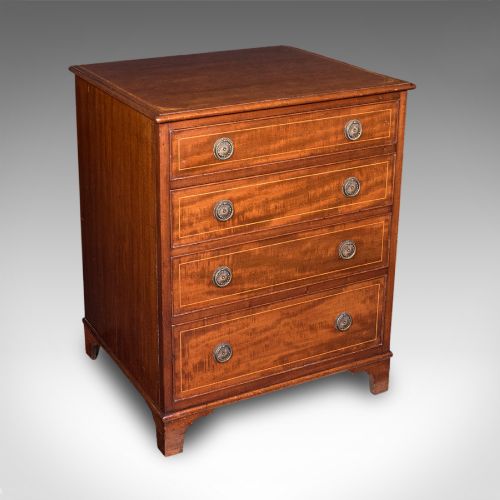
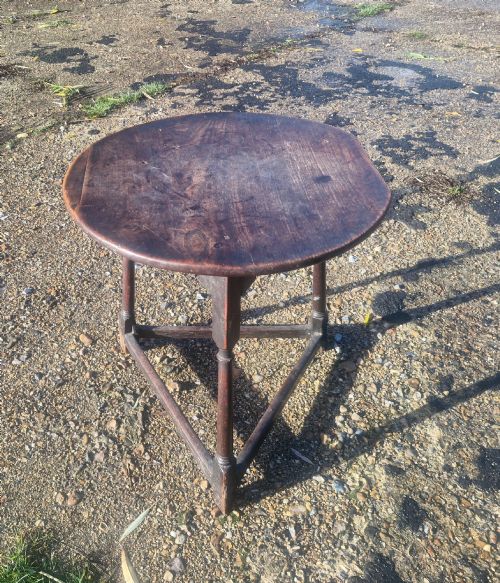
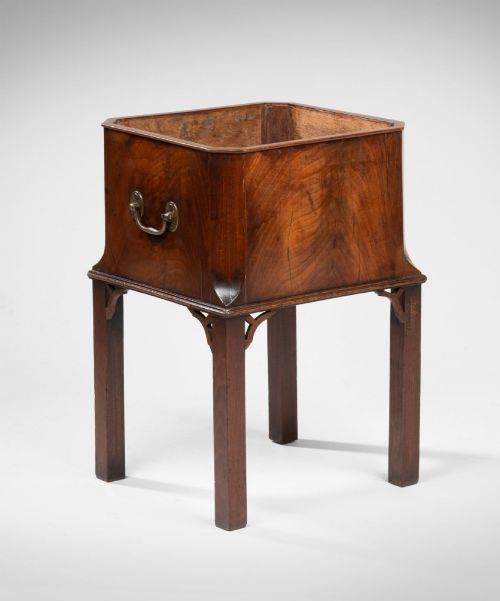
Georgian Wooden Antiques
Georgian wooden antiques bring together the warmth of mahogany, oak, walnut and elm shaped across the eighteenth and nineteenth centuries for practical household use.
Georgian Wooden Antiques
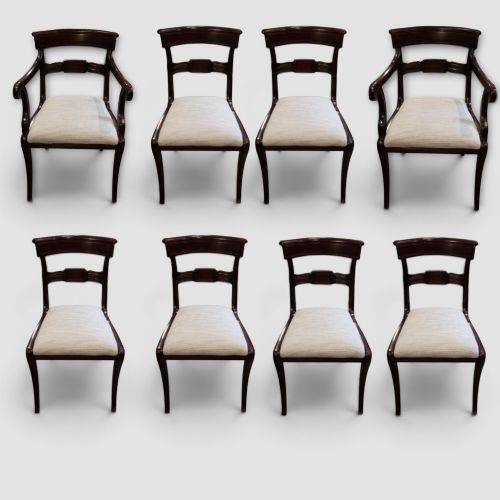
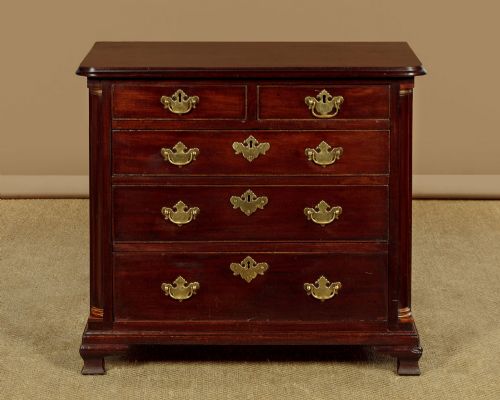
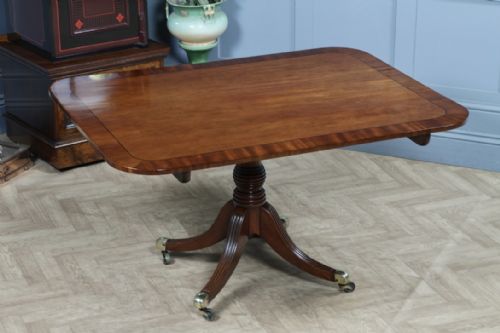
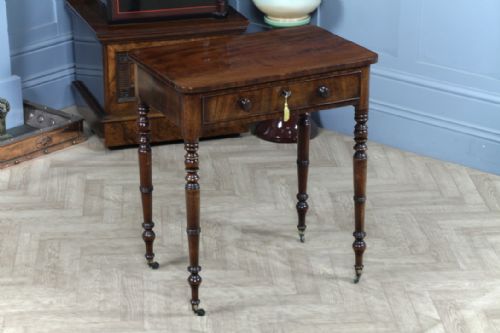
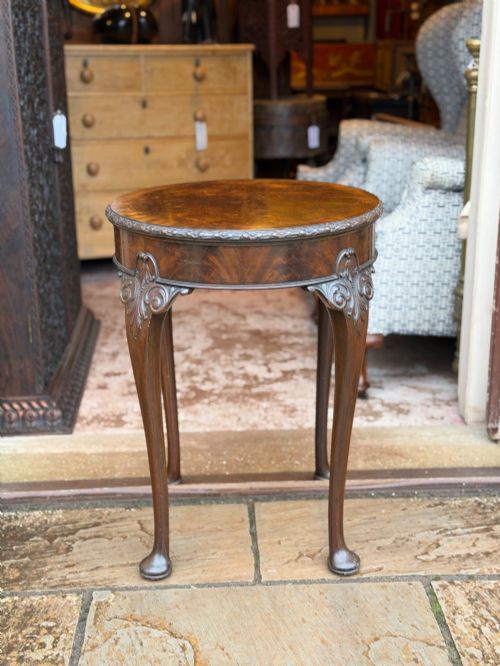
The selection ranges from robust oak vernacular pieces like dressers and joint stools to refined mahogany and satinwood items reflecting George III and Regency styles. Domestic items such as wine coolers, sideboards and occasional tables demonstrate the period focus on utility combined with cabinet-making skill.
Regional variations appear alongside London-made items, showing the work of provincial cabinet makers using local elm, ash and walnut. These objects served everyday domestic roles in dining rooms, bedrooms and parlours, surviving today through solid construction and regular household use.
How they were made
Cabinet makers relied predominantly on mahogany, oak, walnut and elm, selecting each timber for its specific grain and structural properties. Joinery techniques included dovetailing for drawer construction and mortise and tenon joints for frames, ensuring durability without relying on modern adhesives.
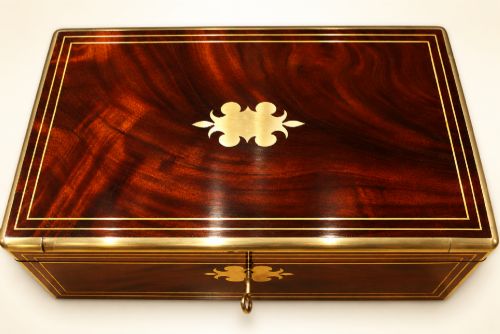
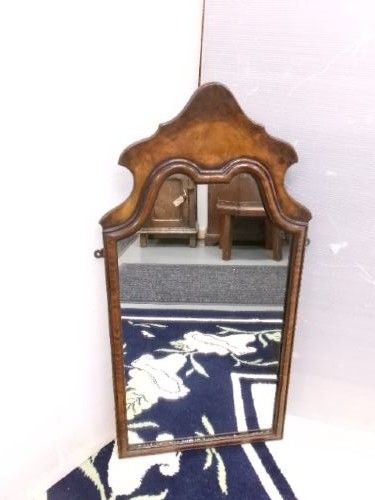
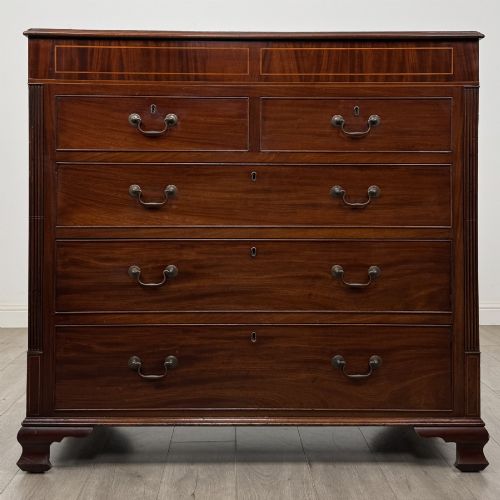
Finer pieces utilised decorative veneers such as figured mahogany, satinwood and harewood laid onto secondary woods, complemented by brass handles, escutcheons and inlay. Country pieces often combined elm and yew in Windsor chairs or relied on solid oak planks assembled with pegged joints for straightforward utility.
Georgian Wooden Antiques Retail Price Guide 2026
Typical asking prices for georgian wooden antiques among the pieces listed under this phrase on Sellingantiques today, from the lower quarter to the upper quarter. They describe what is for sale here now, not the wider market.
A tiny treen snuff box survives named to Martha Shields, preserving a personal pocket-sized piece of folk history from the early nineteenth century.
What varies in quality
Quality in these pieces depends upon the selection of timber, particularly the choice of figured grain and the retention of original surface patination. Superior items display careful matching of veneers and refined carving on elements like chair splats and table edges.
Structural integrity and the survival of original components such as brass hardware, drawer linings and backboards distinguish workshop-made items from later alterations. Proportion and balance in design separate standard utility pieces from high-status cabinet work.
The Georgian Wooden Antiques Glossary
- Sarcophagus
- A monumental vessel shape often used for Regency wine coolers and cellarettes, featuring a tapering rectangular body with a lid. It draws inspiration from ancient stone coffins adapted for domestic dining rooms.
- Tripod table
- A small occasional table supported by a central pillar on three legs, frequently designed with a tilt-top mechanism. These tables allowed easy storage against walls when not in use.
- Joint stool
- A low wooden stool constructed with mortise and tenon joints rather than turned legs, common in oak during the earlier period. They provided flexible seating around the hearth or dining table.
- Box settle
- An enclosed wooden bench featuring a high back and a storage compartment beneath the seat. This form kept draughts away from inhabitants in rustic interiors.
Georgian Wooden Antiques: Frequently Asked Questions
How do I care for wooden antique furniture?
Keep wooden pieces away from direct heat sources and rapid humidity changes to prevent the timber from splitting or warping.
Apply traditional beeswax periodically to nourish the surface and maintain a natural protective sheen without building up heavy wax layers.
What is the difference between oak and mahogany pieces?
Oak items generally date from the earlier eighteenth century or reflect vernacular country traditions, prioritising robust utility and visible grain.
Mahogany became dominant later in the eighteenth century, allowing for sharper carved details and finer formal furniture in urban parlours.
How can I tell a genuine period piece from a later copy?
Examine the construction methods, tool marks inside drawers and the natural ageing of the timber surfaces for consistency with the stated era.
Original hardware fixings, shrinkage patterns in the wood and hand-cut dovetails provide reliable indicators of age.
Where were these items placed in a traditional home?
Chests of drawers and dressing tables belonged in private bedrooms, while sideboards, wine coolers and dining chairs furnished the principal entertaining rooms.
Smaller items like tea caddies sat upon side tables in drawing rooms where guests gathered for social rituals.