
Georgian Wood Wall Mirror
A georgian wood wall mirror brings depth, reflected light and architectural scale to a room.
Georgian Wood Wall Mirror
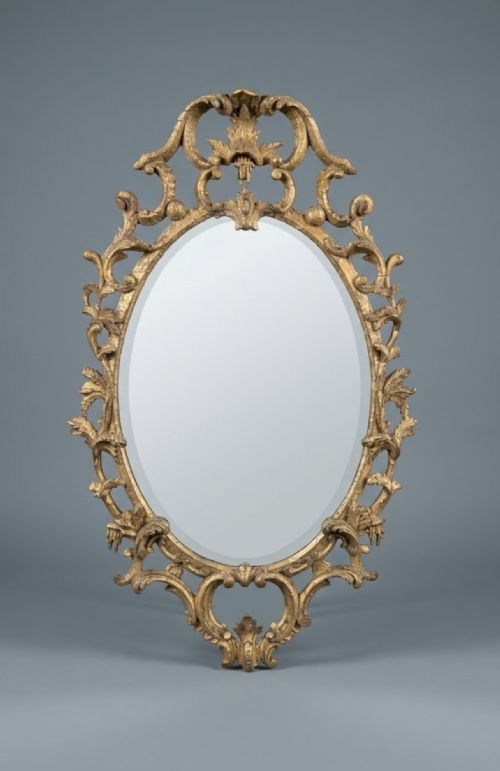
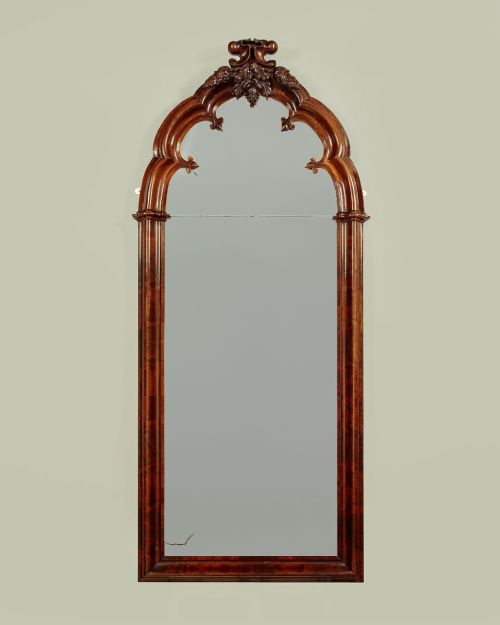
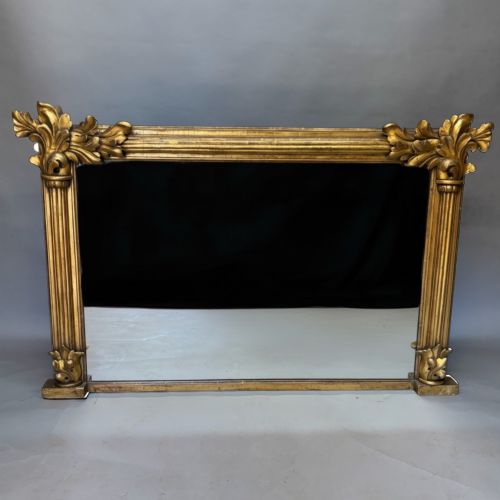
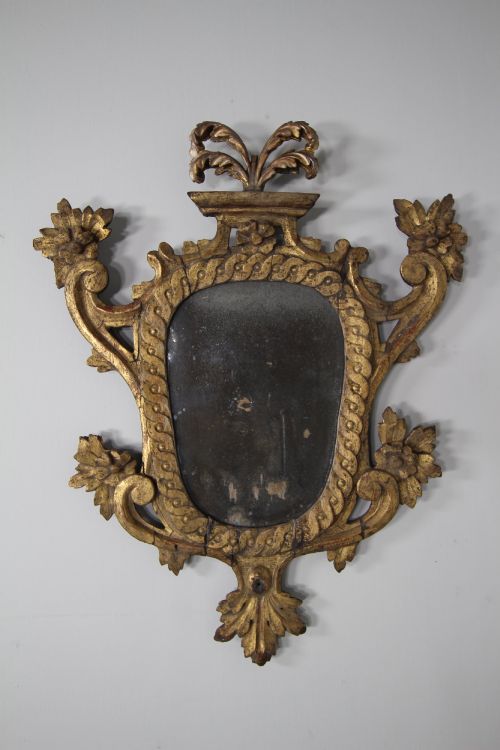
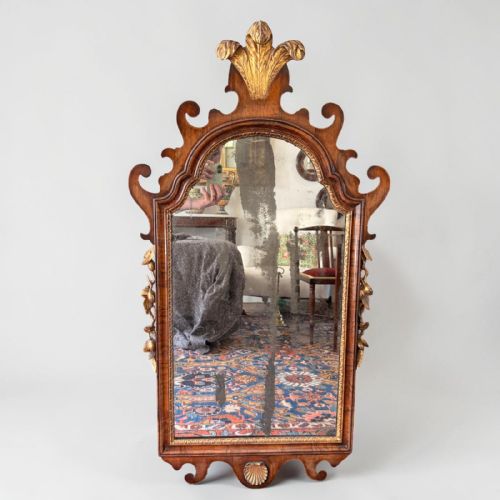
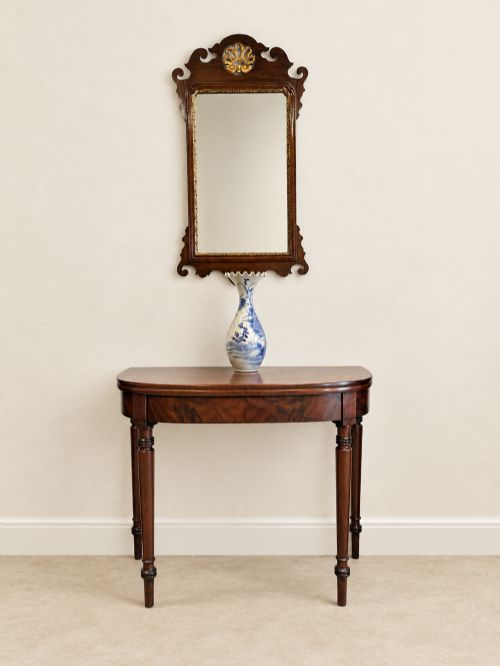
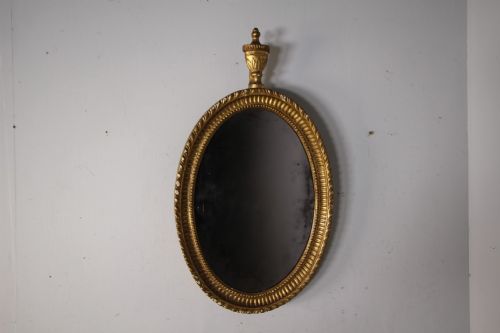
A georgian wood wall mirror encompasses wall mirrors, pier mirrors, and large overmantel mirrors originating primarily from the eighteenth and nineteenth centuries. These pieces reflect the prevailing aesthetics of the Georgian, Regency, and Edwardian eras, executed in forms ranging from simple fretwork frames to elaborate rococo and neoclassical designs.
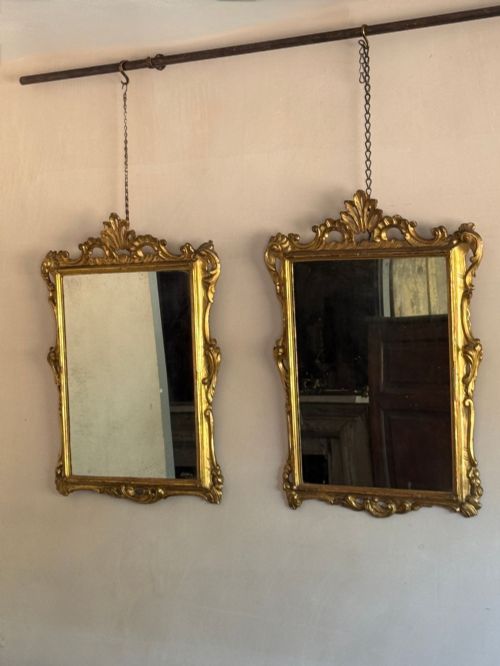
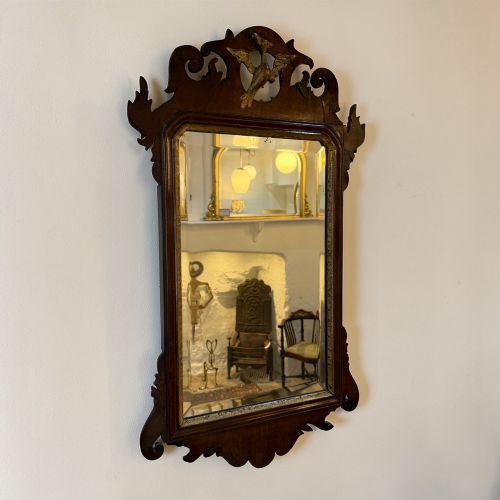
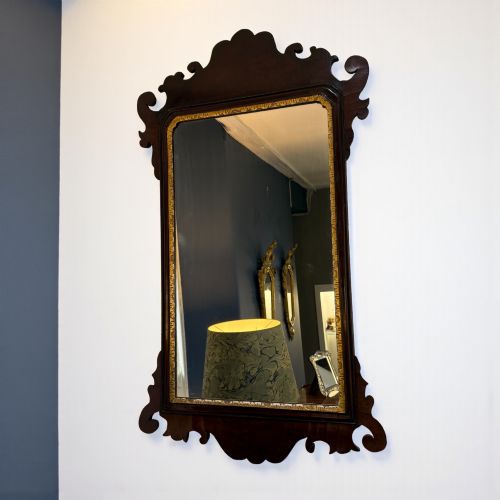
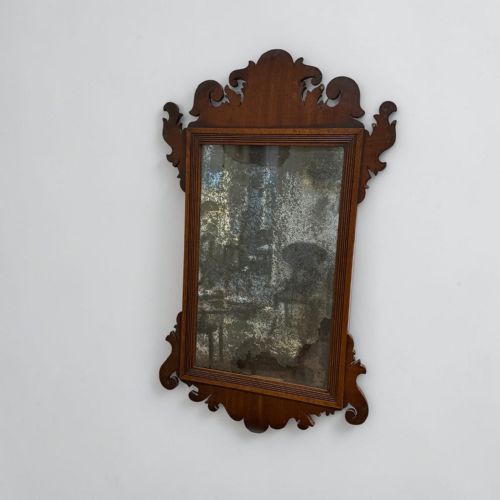
The most common examples encountered on this page are mahogany and parcel-gilt wall mirrors, frequently featuring fret-cut silhouettes or carved ho-ho birds. Overmantel mirrors and pier mirrors designed for specific architectural spaces also appear regularly across the selection.
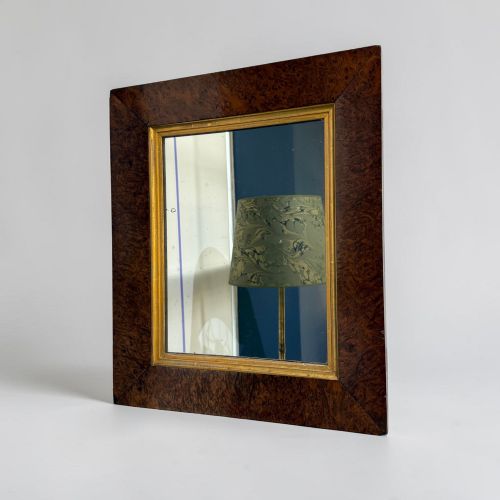
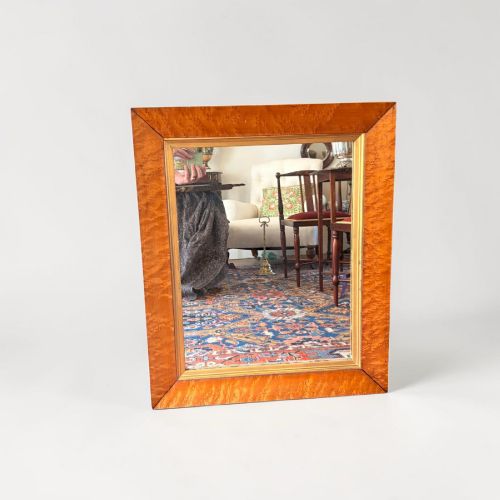
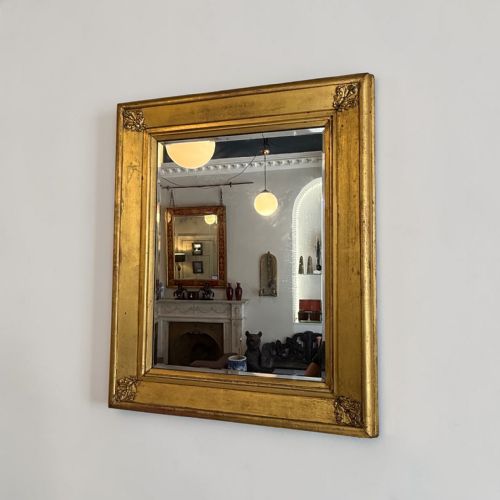
Pieces from this search span authentic eighteenth-century examples to later nineteenth-century revivals and Edwardian interpretations. Walnut, giltwood, and painted pine frames demonstrate the breadth of material choices available to period interiors.
Materials and Techniques
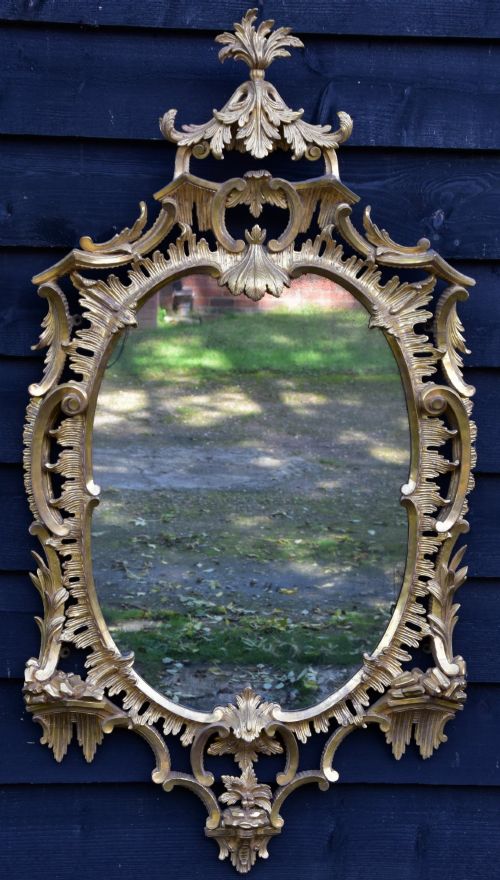
Frames are constructed from cabinet timbers such as mahogany, walnut, rosewood, and painted pine, often finished with parcel-gilt highlights, gold leaf, or gesso. Carved details utilise traditional joinery and hand-carving techniques to shape fretwork, scrolls, and decorative motifs like eagles or masks.
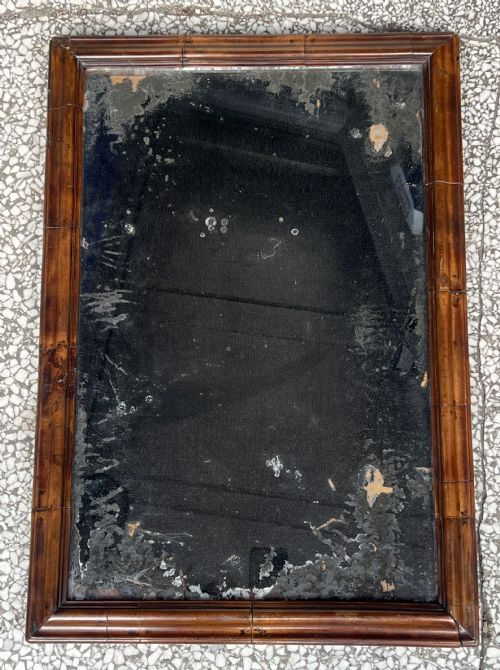
Mirror plates include early mercury glass and silvered glass, sometimes featuring bevelled edges or reverse-cut decoration. Giltwood surfaces rely on layers of gesso applied over a wood base before being gilded with gold leaf.
Judging Quality
Quality rests in the crispness of the hand-carved detail and the depth of the timber grain. Fret-cut frames with sharp, well-defined edges and balanced proportions distinguish finer pieces from simpler productions.
The integrity of the original plate glass and the weight of the timber frame indicate the standard of manufacture. Patina developed across the wood and the gilt surfaces reflects the age and preservation of the mirror.
Gillows Of Lancaster
The Georgian Wood Wall Mirror Glossary
- Parcel-gilt
- Wood frames partially decorated with gold leaf applied to carved highlights while the underlying timber remains visible. This technique provides contrast between the natural grain and the gilded elements.
- Gesso
- A plaster-like mixture applied to wooden frames as a smooth base for subsequent gilding. It allows intricate relief moulding and carved detail.
- Pier mirror
- A tall, narrow mirror traditionally hung on the pier or wall space between two windows. These pieces often match console tables or architectural proportions of period rooms.
- Overmantel mirror
- A wide mirror designed to be positioned directly above a fireplace mantelpiece. Their horizontal formats reflect the hearth and extend the visual space of a room.
- Convex mirror
- A round mirror featuring a curved glass plate that provides a wide-angle reflection of the interior. They are frequently surmounted by carved eagles or gilt motifs.
Georgian Wood Wall Mirror: Frequently Asked Questions
How do I identify a genuine period frame?
Examine the timber behind the mirror plate and the method of construction. Hand-cut joinery and period secondary woods provide clues to the age of the frame.
Surface wear, old fixings, and the characteristics of the glass plate further assist in distinguishing eighteenth-century originals from later nineteenth-century revivals.
Where should I hang an overmantel mirror?
These large mirrors are traditionally scaled for placement above a fireplace mantelpiece. Their width anchors the hearth visually within the room.
Ensure the wall fixings match the substantial weight of the timber frame and glass plate before hanging.
What is mercury glass?
Mercury glass refers to older mirror plates produced using a tin and mercury amalgam backing rather than modern silvering techniques. This process creates a distinctive mottled appearance over time.
Patina and foxing on the glass surface are characteristic traits of these historical plates.
Can I mix different wood tones in my room?
Combining mahogany, walnut, and giltwood frames is common in traditional interiors. The unifying element is the craftsmanship of the period rather than a matching timber finish.
Layering different woods adds texture and depth to a curated wall display.