
Georgian Wood Mirror
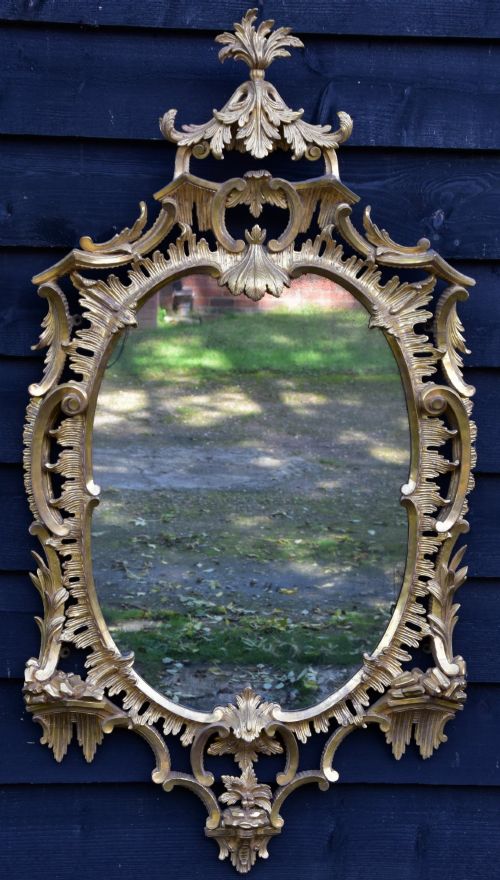
A georgian wood mirror brings warmth and depth to a room through carved mahogany, walnut, or giltwood frames shaped in classic 18th-century styles.
Georgian Wood Mirror
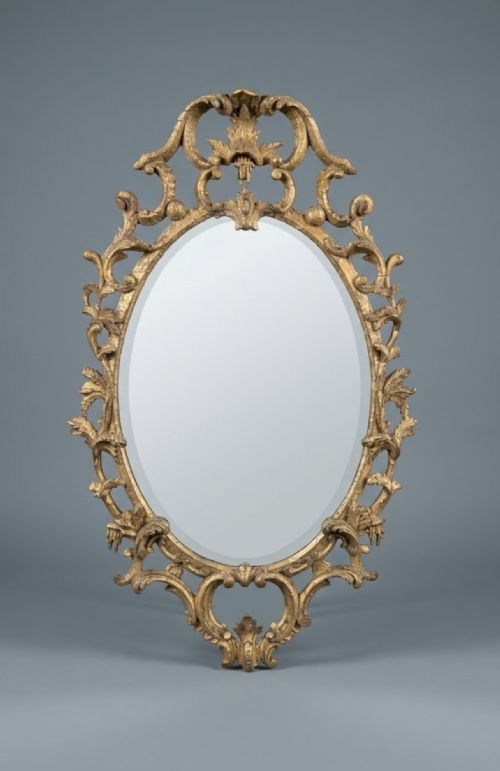
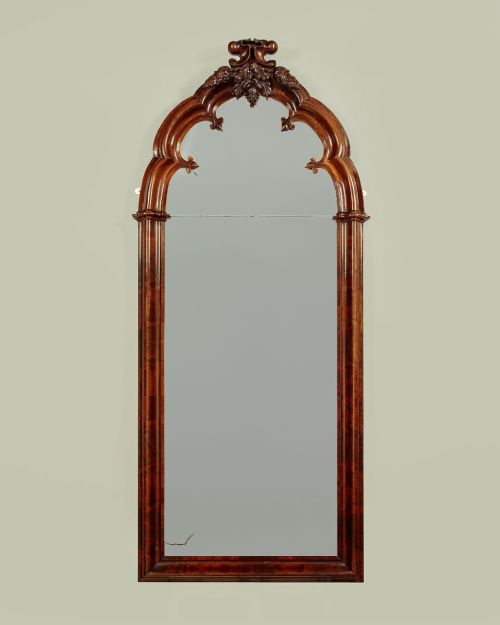
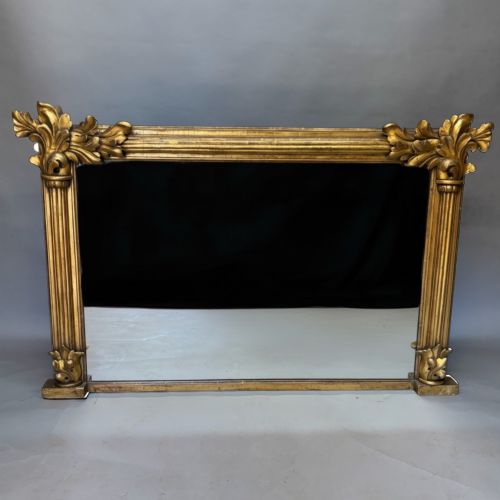
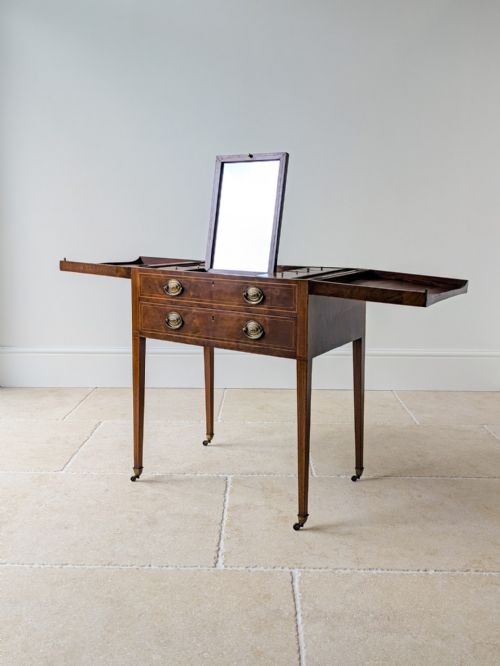
A georgian wood mirror encompasses wall hanging frames, dressing table swing mirrors, and large overmantel pieces made during the 18th and early 19th centuries. These items reflect the domestic interiors of the period, serving practical daily grooming needs as well as decorative focal points above mantelpieces and console tables.
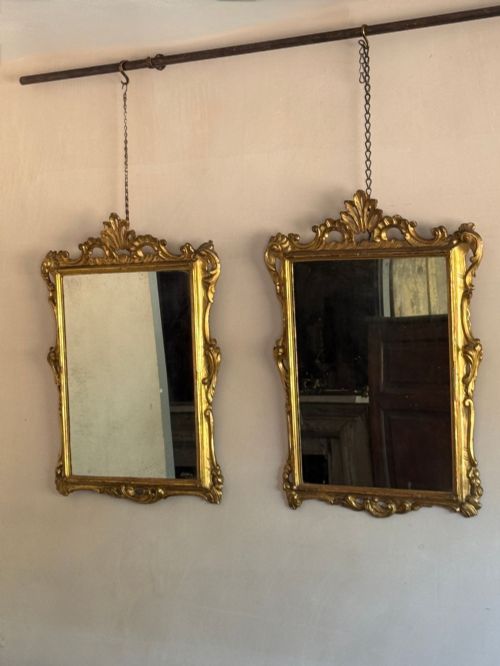
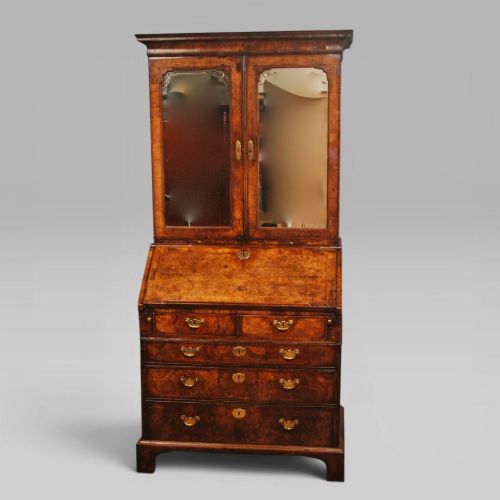
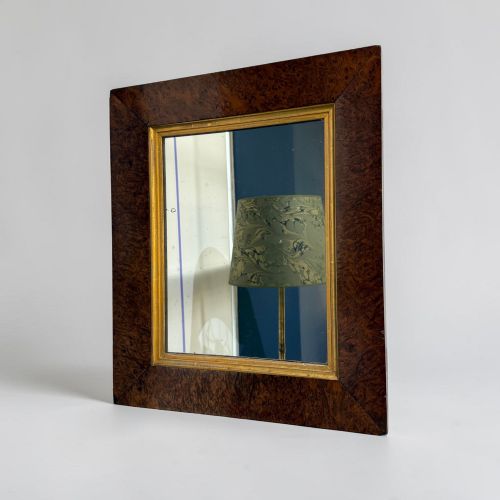
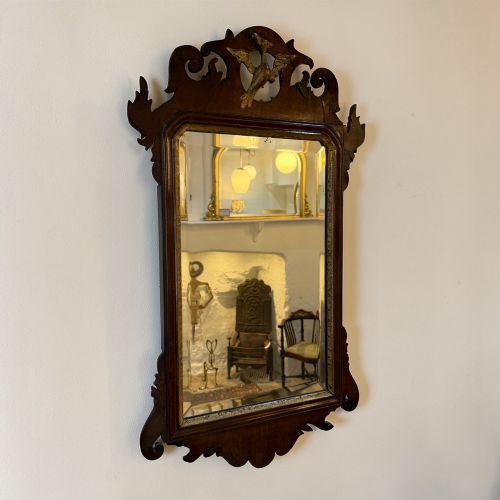
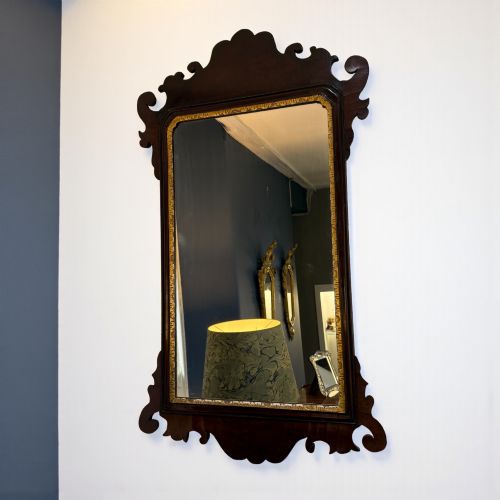
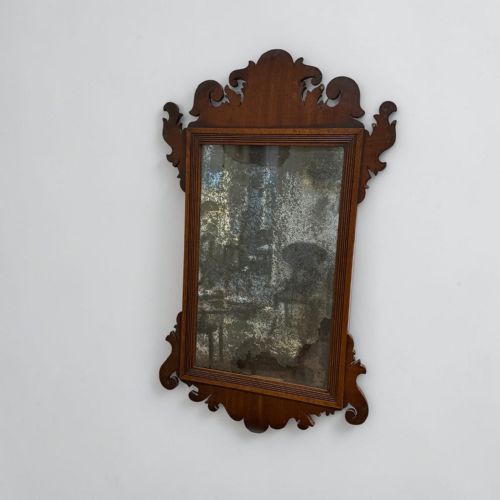
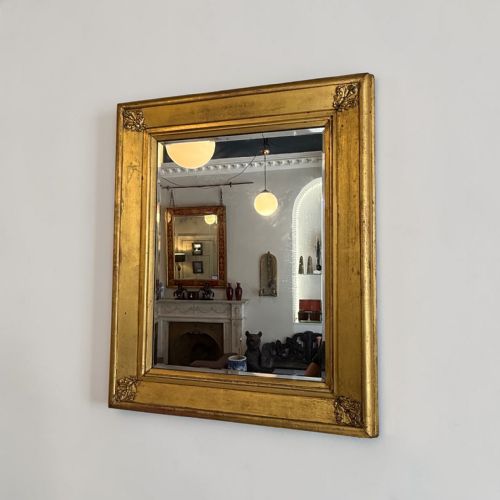
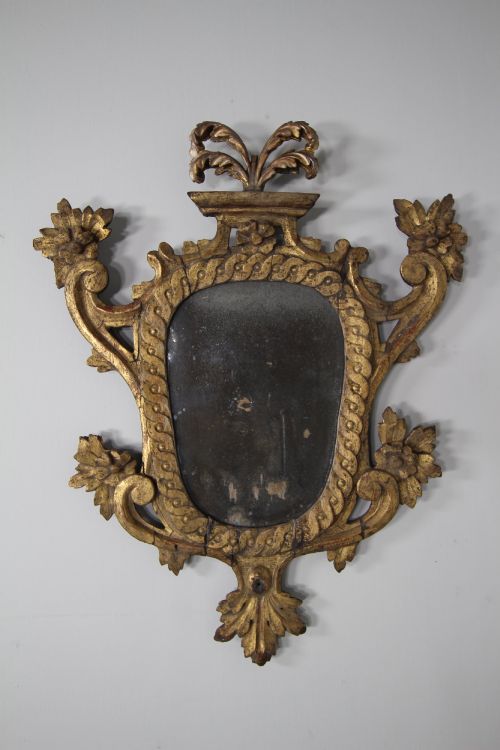
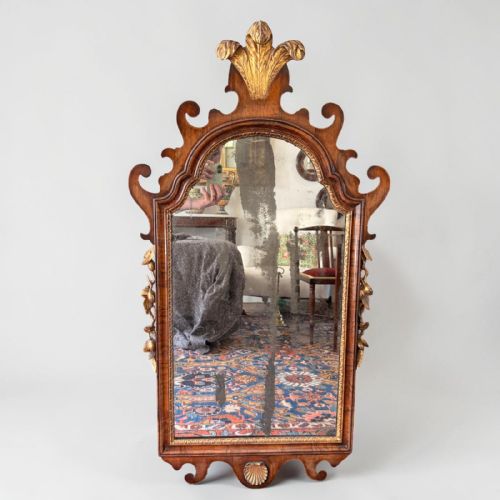
The versions most frequently encountered on this page include mahogany fretwork wall mirrors with carved details, walnut swing mirrors, and giltwood frames spanning the Georgian, Regency, and Victorian eras. Makers utilised native and imported timbers, applying parcel gilt or gesso highlights to accentuate the carved ornamentation.
How they were made
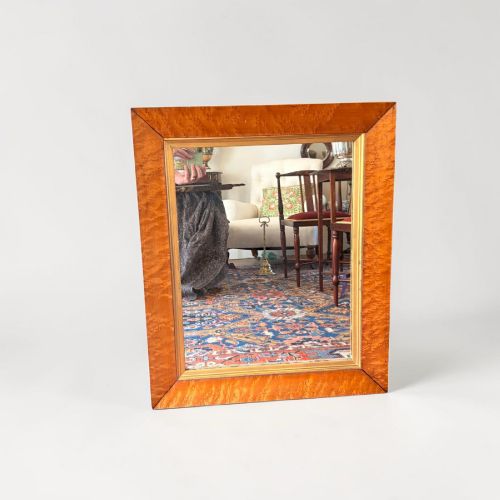
Frames rely on solid timbers such as mahogany, walnut, and birds-eye maple, joined with traditional carpentry methods to support heavy glass plates. Cabinetmakers shaped fretted outlines using scroll saws, applying meticulous carving to create scrolling foliage, drapery, and motifs like the Ho Ho bird.
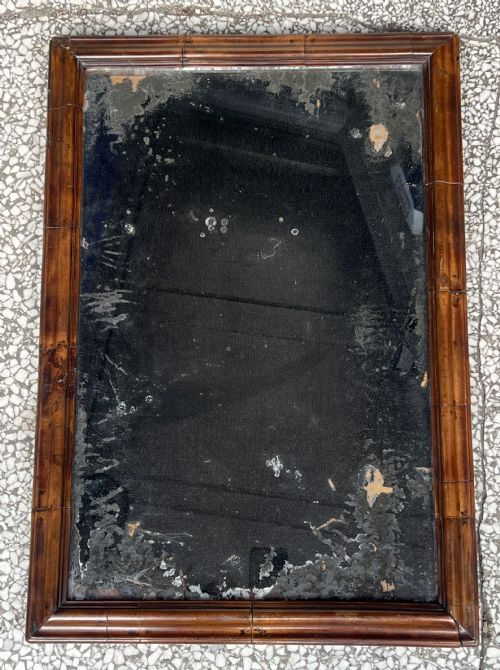
Giltwood pieces combine carved wooden frames with layers of gesso and gold leaf, achieving a brilliant metallic finish that catches interior candlelight or daylight. Mirror glass from the period often displays slight imperfections and silvering variations inherent to early manufacturing techniques.
Some fretwork frames conceal carved wooden birds perched atop the scrolling crests, watching over centuries of reflections.
What varies in quality
The sophistication of the carved detail sets finer examples apart from simpler production, distinguishing crisp, deep relief work from shallow or cast replacements. The selection of timber grain, particularly figured mahogany and rich walnut veneers, dictates the visual impact of the frame.
Proportion and architectural balance govern the success of these pieces, where well-scaled mouldings and harmonious dimensions reflect the design ideals of George II and George III periods. Original glass plates, intact gilding surfaces, and undisturbed backboards contribute significantly to historical integrity.
The Georgian Wood Mirror Glossary
- Giltwood
- Wood that has been coated with thin sheets of gold leaf over a prepared gesso ground. This finish provides a bright, reflective surface popular in formal Georgian and Regency interiors.
- Fretwork
- Openwork ornamentation cut from thin boards using a scroll saw. It defines the pierced silhouette of many 18th-century mahogany wall mirrors.
- Gesso
- A plaster-like mixture applied to wooden frames to provide a smooth base for gilding or painting. It allows carvers to achieve sharp relief details.
- Parcel Gilt
- Partial gilding where specific carved highlights are covered in gold leaf while the underlying wood grain remains visible. This technique contrasts warm timber tones with bright metallic accents.
- Cheval Mirror
- A freestanding full-length dressing mirror mounted on a pivoting frame between four vertical pillars. These large pieces allowed complete view adjustments in bedrooms.
Georgian Wood Mirror: Frequently Asked Questions
How do I identify a genuine period piece?
Examine the construction methods, timber patination, and the backing boards to determine age. Period pieces exhibit hand-cut joinery and signs of historical wear appropriate to 18th-century craftsmanship.
Look closely at the mirror glass itself, as older plates frequently show slight foxing, waviness, or mercury backing characteristics distinct from modern manufactured glass.
Where should I hang an overmantel mirror?
Mount an overmantel mirror securely above a fireplace mantelpiece to anchor the room's main focal point. Ensure the weight of the heavy wooden frame is supported by adequate wall fixings.
Positioning the glass opposite a window will maximise natural light distribution and create an expansive sense of space within the interior.
What is the difference between pier and wall mirrors?
Pier mirrors were traditionally designed to hang on the narrow wall space between two windows, often positioned above a matching pier table. Their vertical proportions made optimal use of these specific architectural gaps.
General wall mirrors feature varied rectangular, oval, or fretwork shapes intended for diverse room placements rather than strict architectural pairing.
How do I care for antique giltwood frames?
Dust giltwood frames gently using a very soft, dry brush to prevent accumulation without disturbing delicate gesso and gold leaf surfaces. Avoid using liquid cleaners, moisture, or chemical polishes.
Maintain stable room humidity and temperature levels to prevent the underlying wood from expanding or contracting, which can cause the gesso to crack.