
Georgian Wood Dining Server
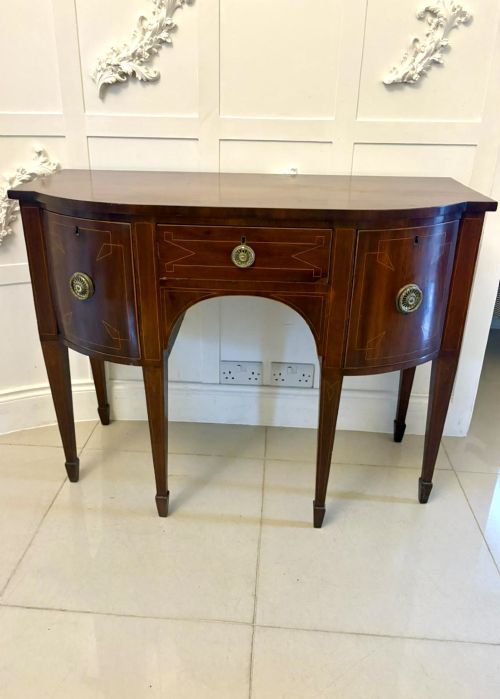
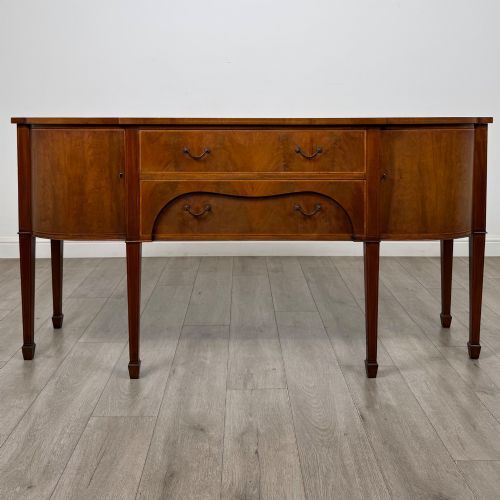
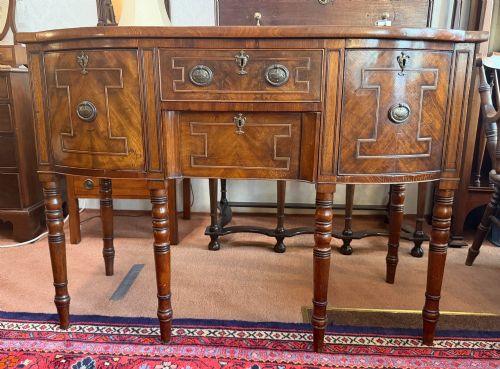
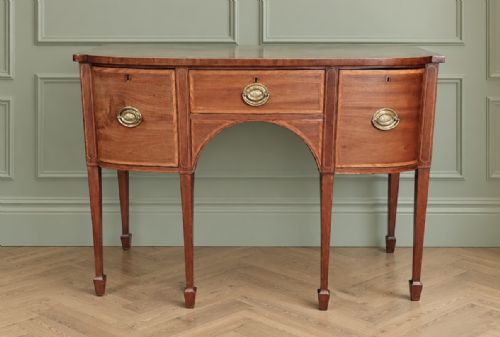
A georgian wood dining server brings substantial storage and refined timber grain to a dining room, offering deep drawers and cupboards for service equipment.
Georgian Wood Dining Server
A georgian wood dining server encompasses sideboards, serving tables, and buffets designed to assist with meals and display tableware. The items found here span the Georgian period, the Regency era, and later Edwardian revivals.
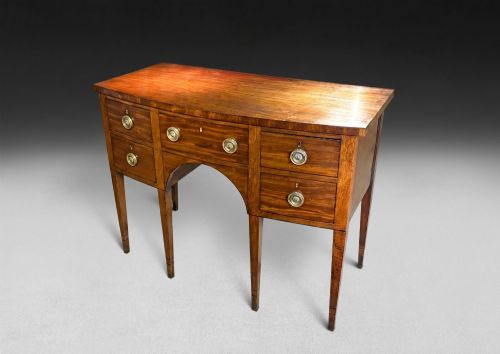
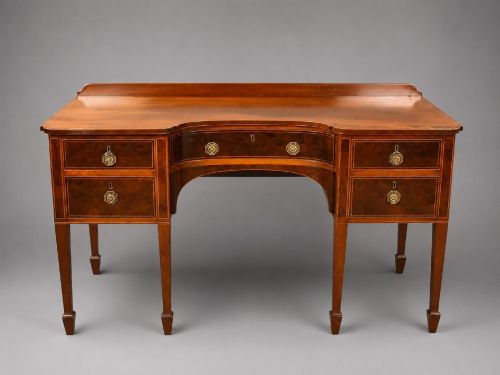
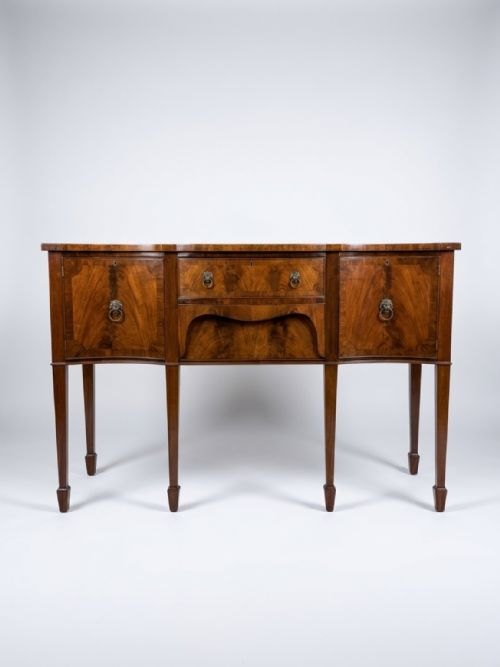
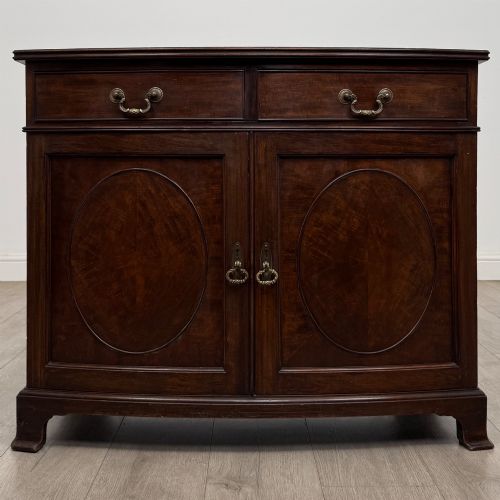
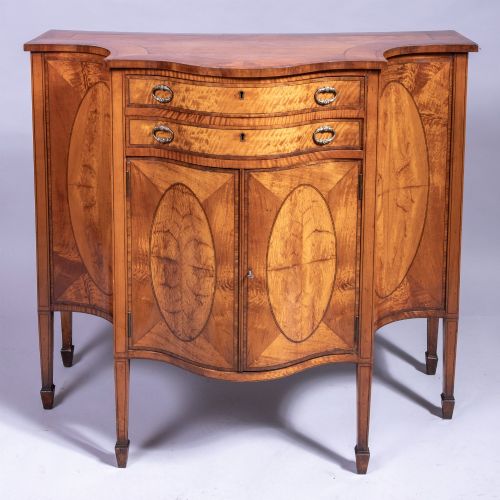
Bow-front and serpentine shapes appear frequently alongside straight-fronted models in solid timber and veneer. Makers shaped these boards to fit dining spaces ranging from compact rooms to large country houses.
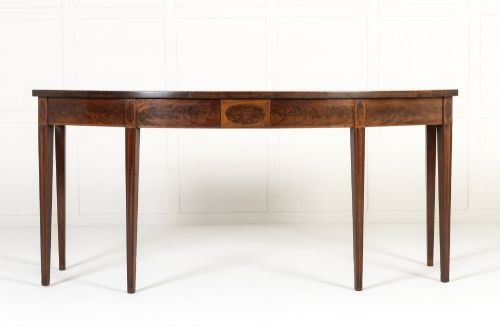
The primary forms include straightforward serving tables and complex cabinets fitted with drawers and cupboards. Examples range from eighteenth-century originals to later revival pieces created in the nineteenth and twentieth centuries.
How they were made
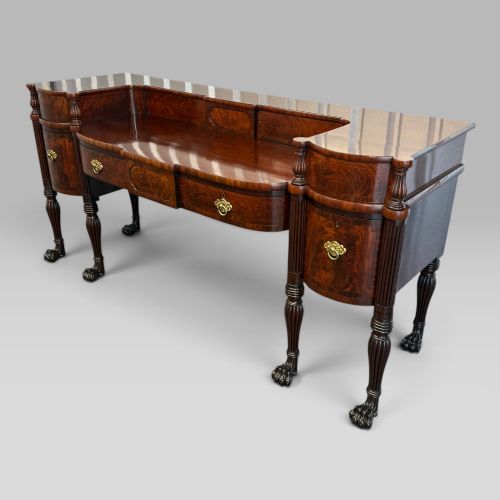
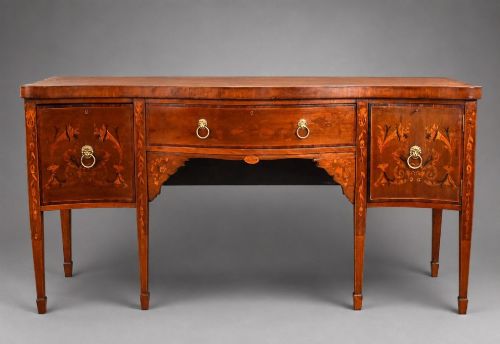
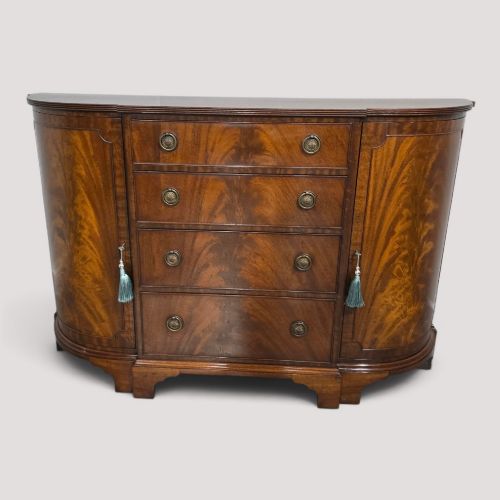
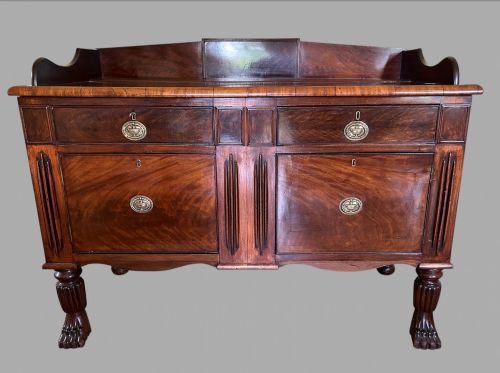
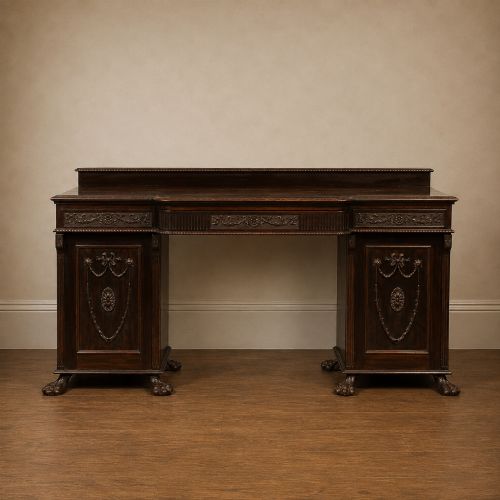
Cabinet makers utilised solid mahogany and flame mahogany veneer over secondary timbers, applying boxwood and satinwood inlay to create contrasting borders and decorative panels. Brass hardware, including handles and lion paw feet, added functional and decorative accents.
Construction techniques involved precision joinery for curved bow-front and serpentine frames, requiring skilled handling of wood veneers. Marquetry and line inlay demanded careful hand-cutting of contrasting timbers to fit flush into the primary surface.
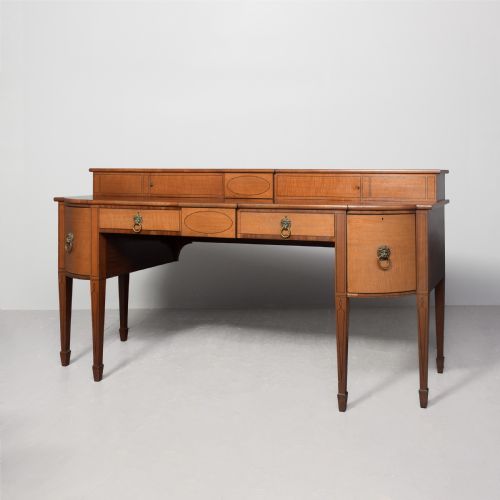
Object forms include serpentine sideboards, stage-back servers, and compact bow-front cabinets.
What varies in quality
The choice of timber grain defines the visual impact, with figured flame mahogany and crisp satinwood inlay marking out superior examples. The complexity of the silhouette, particularly well-executed serpentine or bow fronts, distinguishes finer craftsmanship from simpler rectilinear builds.
Proportion and the integration of original brass mounts and carved details dictate the overall standard of a piece. Finer versions demonstrate balanced proportions and careful alignment of veneers across multiple drawers and doors.
The Georgian Wood Dining Server Glossary
- Bow front
- A cabinet front that curves outward in a convex arc. This shape softens the rectangular geometry of dining furniture.
- Serpentine
- A front profile defined by a central convex curve flanked by concave sweeps. It requires advanced carpentry to execute smoothly.
- Flame mahogany
- Timber cut from the fork of the mahogany tree to produce a flickering, highly figured pattern. Cabinet makers reserved this veneer for primary display surfaces.
- Stage-back
- A raised tier at the rear of a sideboard used for displaying plates and serving dishes. This feature adds vertical presence to the serving surface.
Georgian Wood Dining Server: Frequently Asked Questions
How do I spot a revival piece?
Revival pieces often display timber characteristics and construction methods typical of the Edwardian era or the nineteen-twenties rather than the eighteenth century. Examining the secondary woods and interior drawer construction helps clarify the true age.
Stylistic cues such as heavy marquetry or proportions associated with specific revival movements also point away from the original Georgian period.
Where were these servers used?
These pieces stood in dining rooms to hold silver, linen, and serving dishes during large meals. Servants placed dishes on the top surface before service.
They functioned as both practical storage units and focal points for displaying fine tableware in formal homes.
How do I care for mahogany?
Mahogany surfaces require dusting with a soft, dry cloth and protection from direct sunlight and extreme humidity changes. Applying wax polish occasionally maintains the sheen of the timber.
Avoiding harsh chemical cleaners preserves the historic finish and the underlying wood grain.