

Georgian Wood Cupboard
These pieces called georgian wood cupboard bring domestic storage from the eighteenth and nineteenth centuries into modern rooms with architectural proportion and timber depth.
Georgian Wood Cupboard
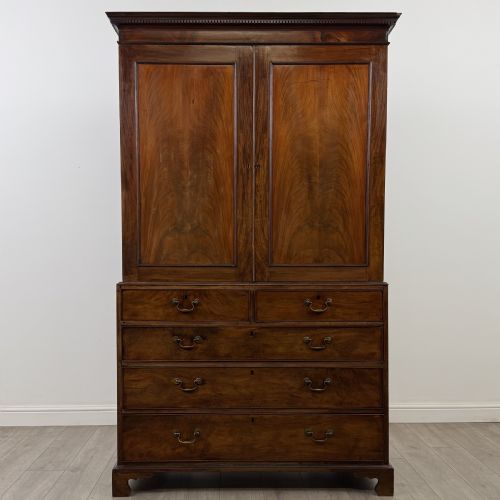
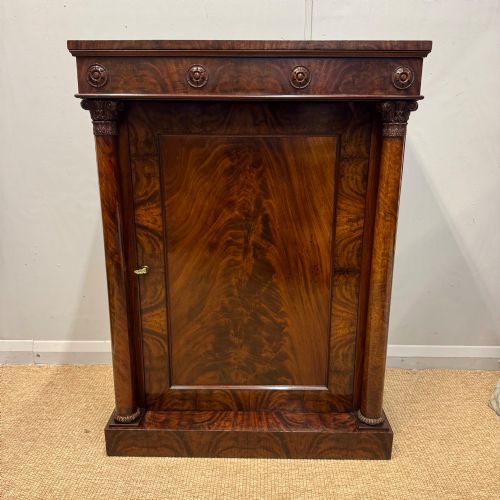
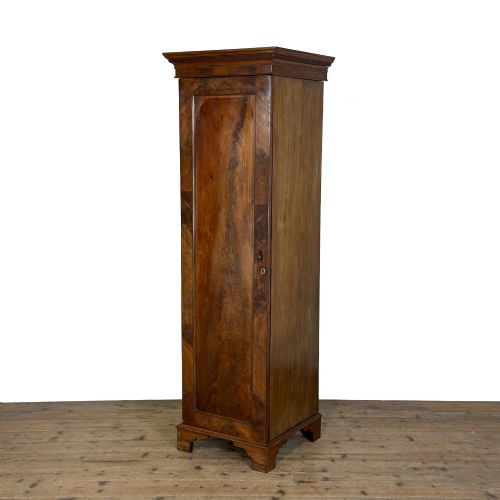
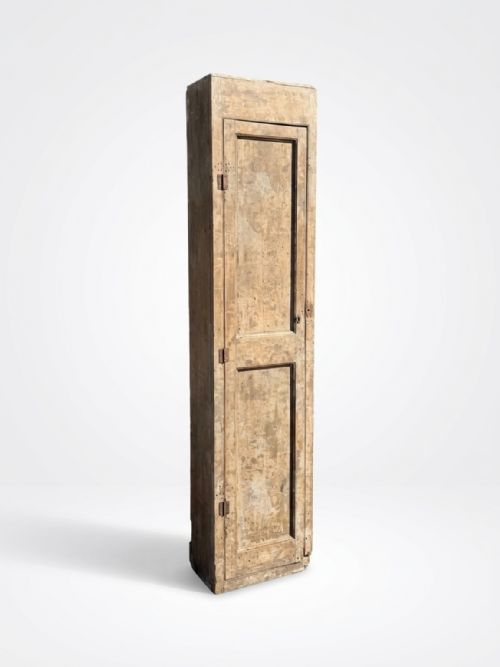
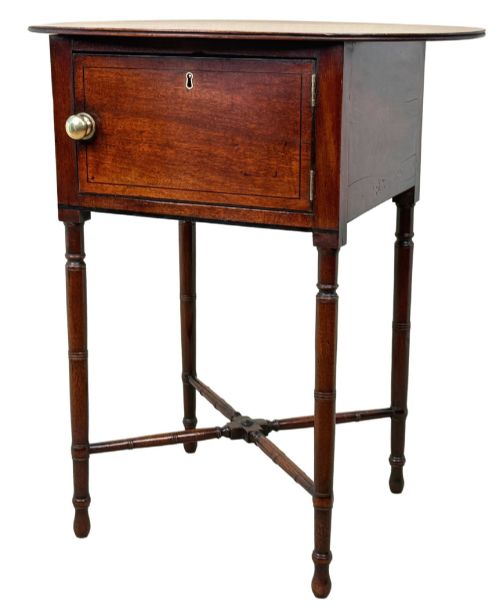
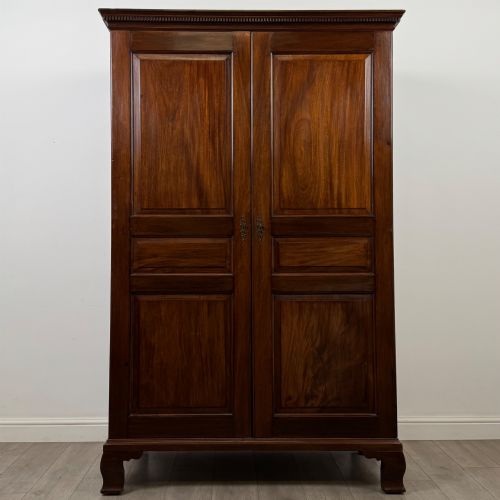
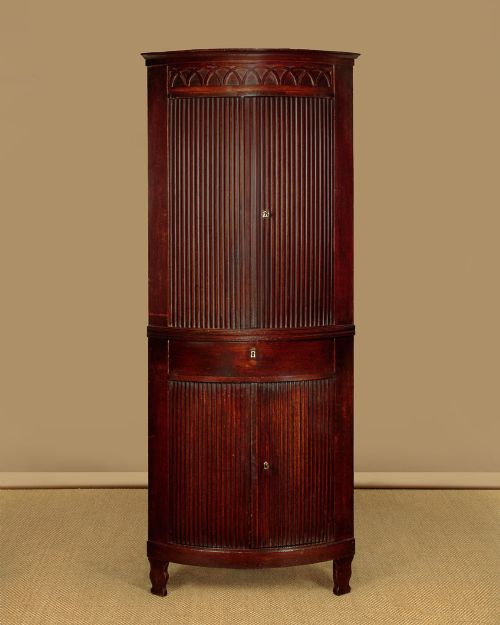
A georgian wood cupboard encompasses utilitarian corner cabinets, bedside night tables, linen presses, and bookcases originating primarily from the Georgian, Regency, and nineteenth-century periods. Buyers typically encounter floor-standing and wall-hanging corner units alongside bedside cupboards fashioned from solid timber and selected veneers.
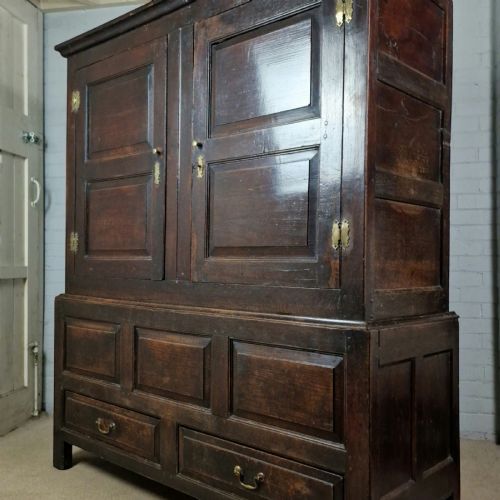
The selection includes specialised forms such as dwarf press cupboards, hanging wall units, and double-height corner storage, alongside later revival interpretations in the twentieth century. These items reflect domestic organisation needs of past centuries, utilising corner spaces and bedroom perimeters for functional storage.
Origins span formal English workshops working in classical styles through to provincial vernacular pieces in oak and fruitwood. The most frequently met examples balance utilitarian function with the refined architectural proportions characteristic of late eighteenth and early nineteenth-century cabinet making.
Materials and technique
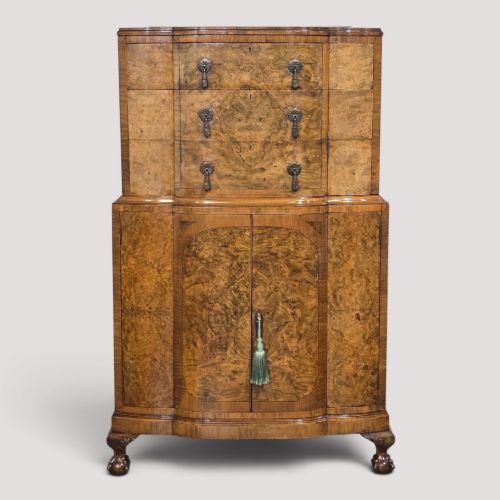
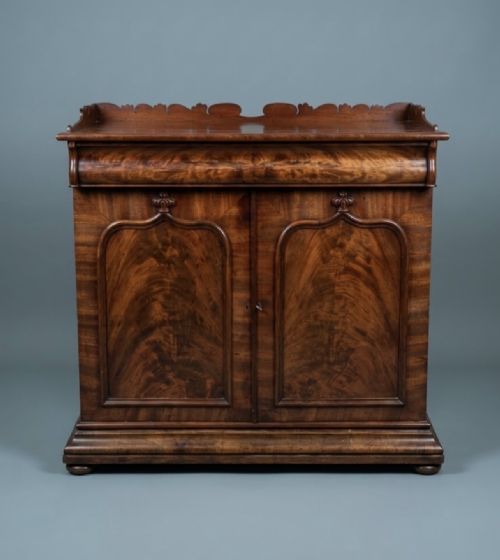
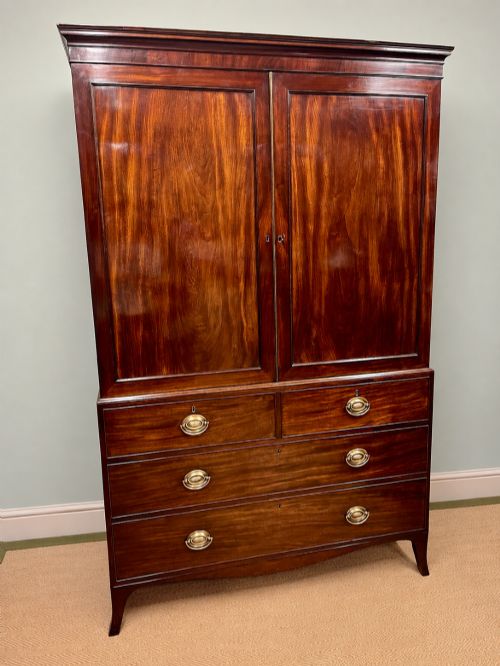
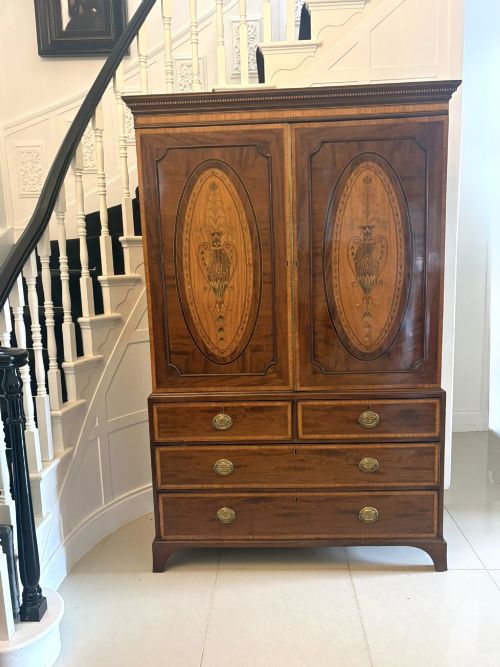
Makers constructed these cabinets predominantly using solid mahogany, oak, and fruitwood, often selecting flame mahogany veneer and satinwood for decorative contrast on primary surfaces. Brass hardware, including hinges, escutcheons, and pulls, provides structural and visual punctuation to the timber construction.
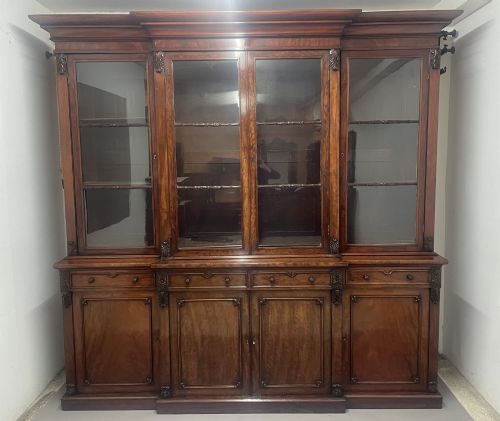
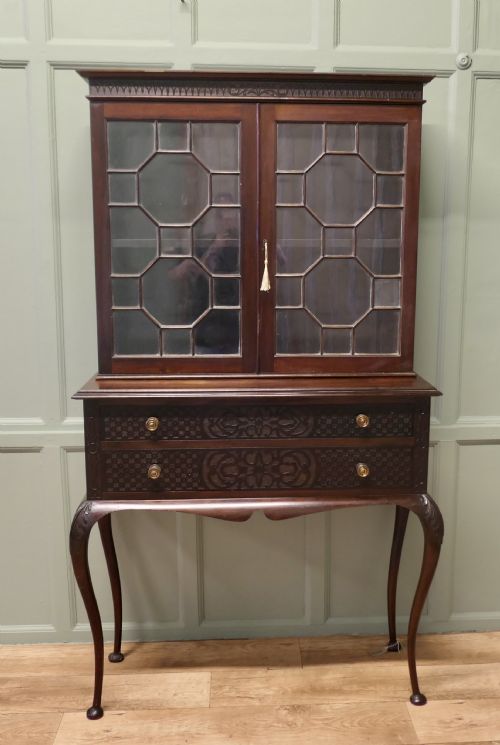
Joinery techniques relied on traditional framing, paneling, and dovetailed drawer construction to ensure stability across seasonal humidity changes. Glass panels, utilised in display cabinets and bookcases, are held within astragal glazing bars that divide doors into geometric lights.
Form variations range from diminutive hanging corner units to triple library bookcases spanning multiple vertical heights.
Assessing quality
Quality rests upon the selection of timber figure, the crispness of carved or inlaid details, and the integrity of the original construction. Superior pieces display harmonious grain patterns across expansive surfaces, such as flame mahogany veneer fronts or figured mahogany panels, paired with meticulous hand-cut dovetails.
The proportion of architectural elements, such as dentil cornices, bracket feet, and astragal glazing bars, separates master timber work from basic workshop output. Preservation of original brass hardware, secondary softwood interiors, and consistent surface patination further distinguish higher-tier examples.
Chippendale
The Georgian Wood Cupboard Glossary
- Astragal glazing bar
- A slender wooden moulding that holds individual panes of glass within a cabinet door. These bars create a grid pattern characteristic of Georgian bookcases and display cabinets.
- Linen press
- A tall storage piece featuring upper sliding trays or shelves enclosed by doors, positioned above a base of drawers. Originally designed for storing household linens flat before the widespread use of wardrobes.
- Pot cupboard
- A small bedside cabinet or night stand built to enclose a chamber pot. These compact units frequently feature a single door and enclosed top surface.
- Dwarf press
- A low-format linen press or wardrobe standing at reduced height. This form provides substantial interior storage while maintaining a low profile beneath domestic windows or picture rails.
- Corner cupboard
- A triangular storage unit designed to fit squarely into a room intersection. These pieces maximise unused spatial geometry through wall-hanging or floor-standing formats.
Georgian Wood Cupboard: Frequently Asked Questions
What is a georgian wood cupboard used for?
These cabinets served various domestic storage needs, from concealing chamber pots beside beds to displaying books and tableware in formal rooms. Linen presses accommodated folded textiles before hanging wardrobes became standard.
Today, these pieces function effectively as living room display units, bedside storage, or specialised corner cabinets in modern hallways and dining spaces.
How do I date a georgian wood cupboard?
Dating relies on examining construction methods, timber choices, and stylistic vocabulary. Eighteenth-century pieces often feature secondary woods like oak or pine alongside hand-cut dovetails and pegged joinery.
Later nineteenth-century iterations and twentieth-century revivals incorporate machine-sawn elements, different veneer thicknesses, and stylistic revivals such as Chinese Chippendale or Regency motifs.
Where should I place a corner cupboard?
Corner cupboards utilise awkward room intersections, turning unused dead space into architectural storage. Wall-hanging models anchor easily above sideboards or desks, while floor-standing versions create vertical weight in a room.
Ensure the wall angles match the 90-degree construction of the cabinet back before installation to guarantee a flush fit against plasterwork.
How do I care for antique mahogany furniture?
Protect timber surfaces by avoiding direct sunlight and maintaining stable indoor humidity to prevent wood splitting and veneer lifting. Dust regularly with a dry, soft cloth and apply traditional beeswax sparingly to nourish the finish.
Avoid silicone-based sprays, which penetrate the grain and alter the historic patination accumulated over centuries of use.