



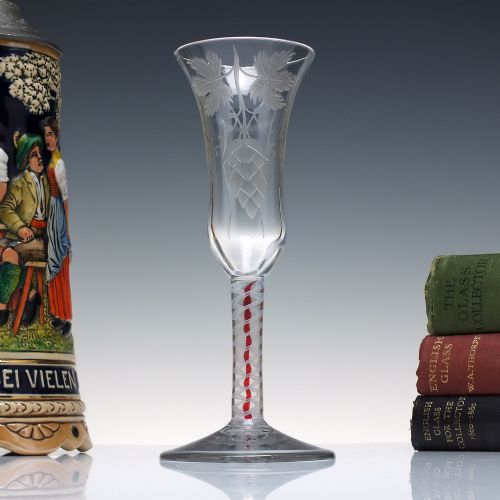

Georgian Wine Flutes
Georgian wine flutes are eighteenth-century drinking vessels shaped for sparkling service, prized for their slender proportions and handled by collectors who value tactile history.
Georgian Wine Flutes
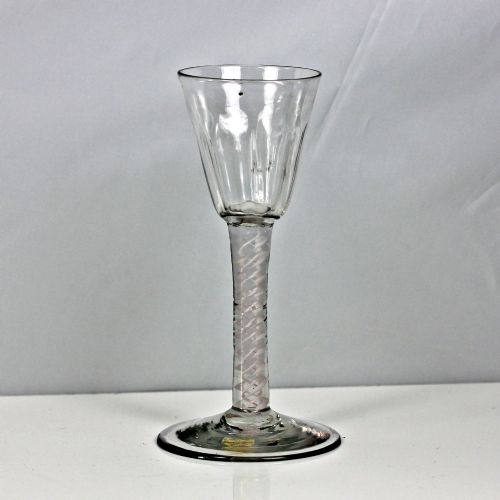
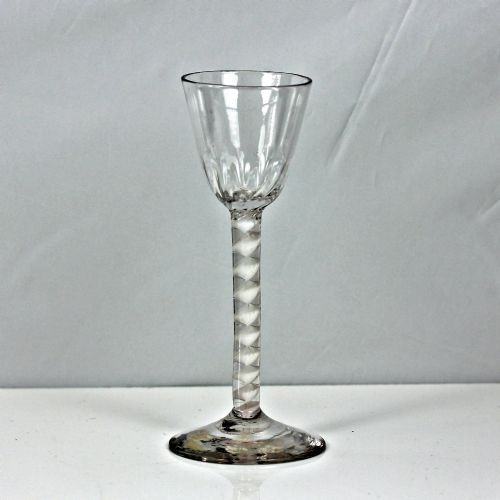
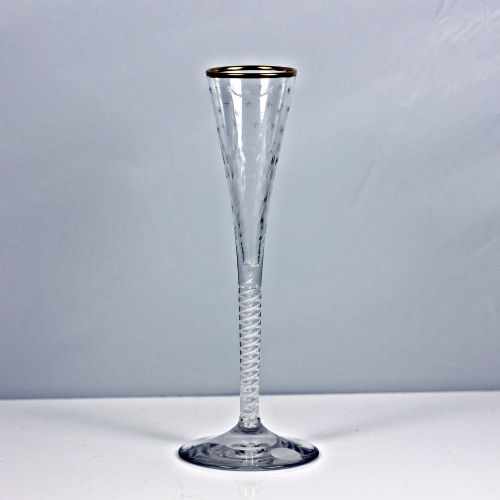
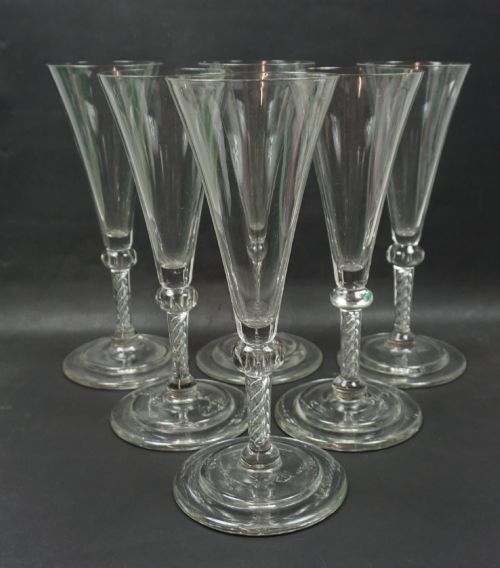
When you search for georgian wine flutes, you encounter tall, slender stemware designed primarily for champagne, ratafia, or sparkling wines during the eighteenth century. The examples on this page span single series and double series twist stems, air twists, and mixed twists, alongside flute-moulded ogee bowls.
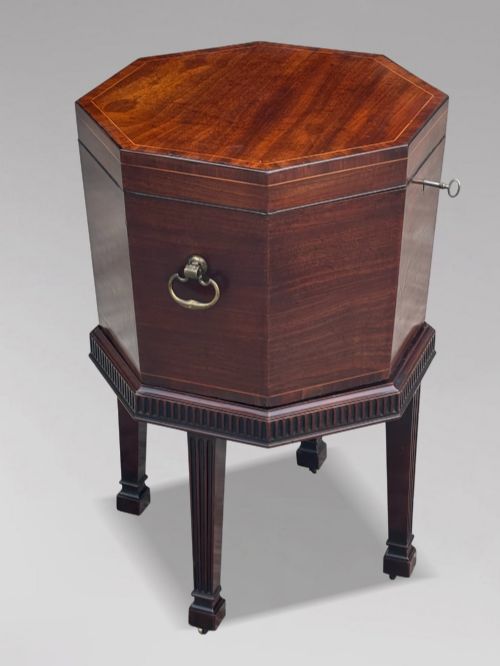
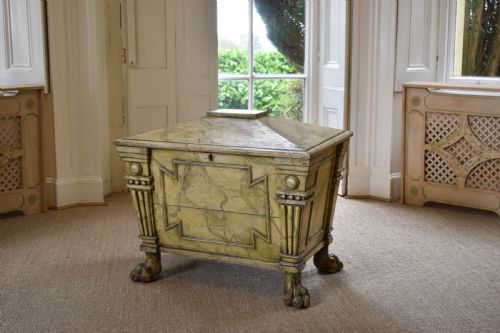
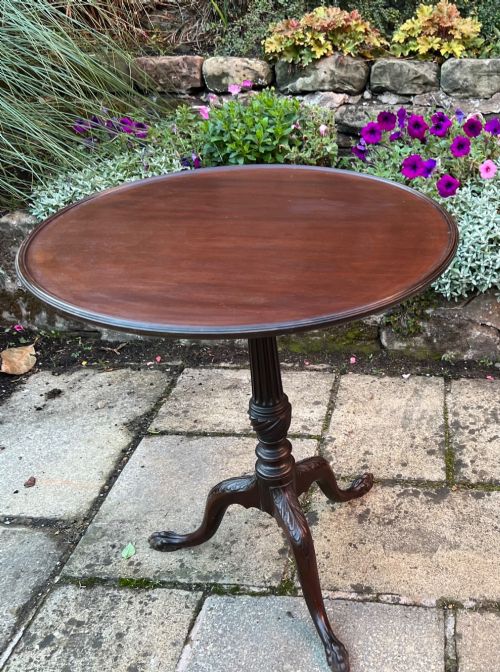
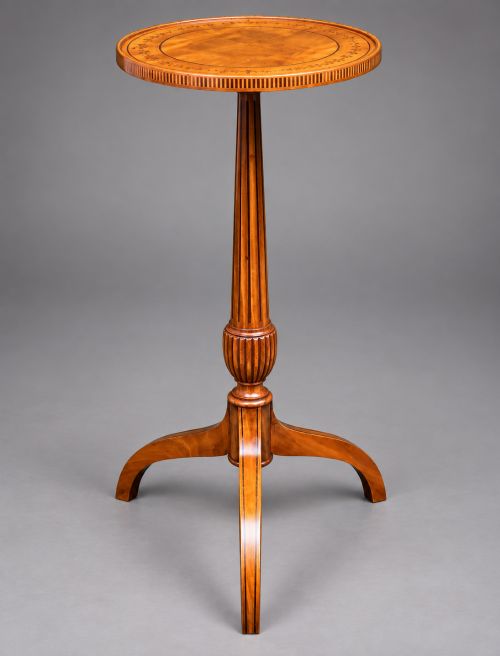
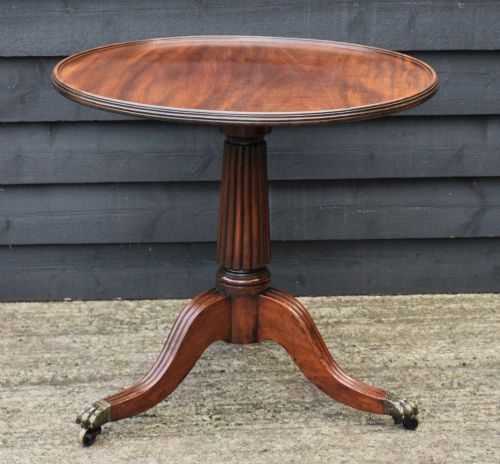
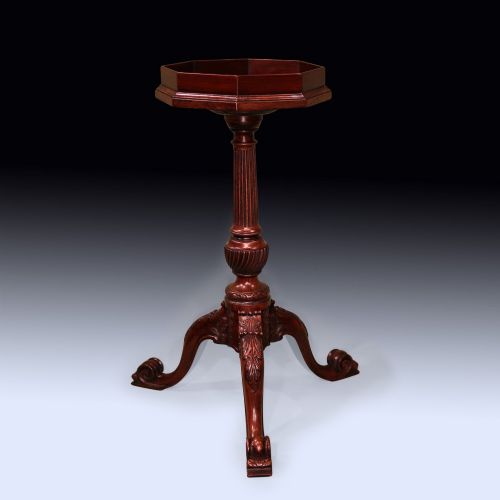
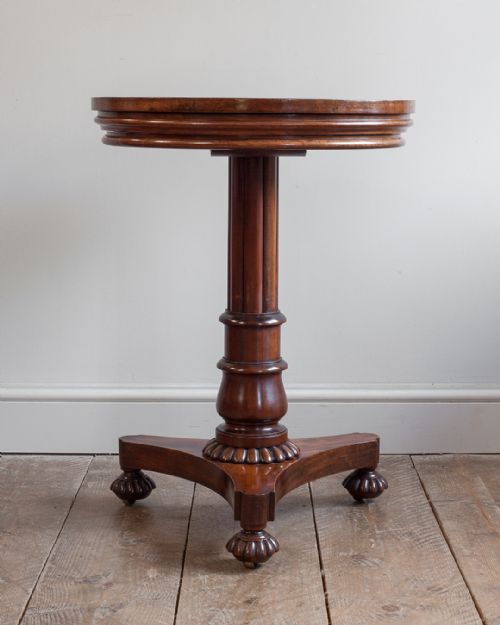
While the term evokes a modern champagne flute, eighteenth-century forms often feature narrow bowls set upon elongated stems and folded or plain feet. Alongside glassware, the listings incorporate occasional wine tables, cellarettes, and coolers fashioned from mahogany and satinwood.
Most pieces date from the eighteenth century, though later revivals and related drinking glasses appear in the record. The overlap between wine glasses, ale glasses, and champagne flutes reflects the fluid terminology of the period.
What varies in quality
The sophistication of the twist inside the stem separates standard production from superior pieces, with complex multi-spiral air twists and coloured threads demanding greater skill from the glasshouse. Clarity of the metal and the crispness of wheel engraving on the bowl further elevate a glass.
For wooden pieces like wine tables and cellarettes, quality rests upon the selection of timber veneers, the stability of the tripod or pillar support, and the restraint applied to carved or inlaid details.
Georgian Wine Flutes Retail Price Guide 2026
Typical asking prices for georgian wine flutes among the pieces listed under this phrase on Sellingantiques today, from the lower quarter to the upper quarter. They describe what is for sale here now, not the wider market.
Early glassmakers occasionally trapped stray cigar ash in the melt, gifting future collectors tiny, accidental fossils of eighteenth-century tavern life.
The Georgian Wine Flutes Glossary
- Opaque twist
- A stem containing white or coloured enamel glass threads drawn into spiral patterns. This technique gained popularity in mid-eighteenth-century English glasshouses.
- Air twist
- A stem enclosing elongated bubbles of air pulled into helical spirals. The effect creates a shimmering internal movement within the clear lead glass.
- Ogee bowl
- A bell-shaped drinking vessel contouring outwards at the rim and curving inwards below. Flute-moulded variants feature vertical panel ribs pressed into the lower half.
- Folded foot
- A base edge turned underneath while hot to form a smooth, thickened rim. This method added strength to delicate drinking vessels.
- Cellarette
- A lockable wooden container or cistern used for storing bottles of wine near the dining table. They frequently appear in mahogany with fitted interiors.
Georgian Wine Flutes: Frequently Asked Questions
What were georgian wine flutes used for?
These vessels held sparkling wines, champagne, or sweet cordials during formal eighteenth-century dining. Their narrow bowls helped retain effervescence while showcasing the clarity of lead glass.
Beyond glassware, related pieces such as wine tables and cellarettes served to keep bottles and glasses close at hand during prolonged dinner parties.
How do I tell an air twist from an opaque twist?
An air twist contains trapped pockets of air drawn into helical channels within the clear metal of the stem. An opaque twist incorporates solid white or coloured enamel rods twisted inside the glass.
Both techniques emerged during the eighteenth century as glassmakers experimented with decorative stem interiors.
Are eighteenth-century wine glasses safe to use?
While technically functional, eighteenth-century lead glass is fragile and susceptible to thermal shock or modern dishwashing damage. Most collectors prefer to handle them with care and display them rather than pour wine into them.
Wash them by hand in lukewarm water without abrasive sponges to preserve the original surface.
What is the difference between a rummer and a flute?
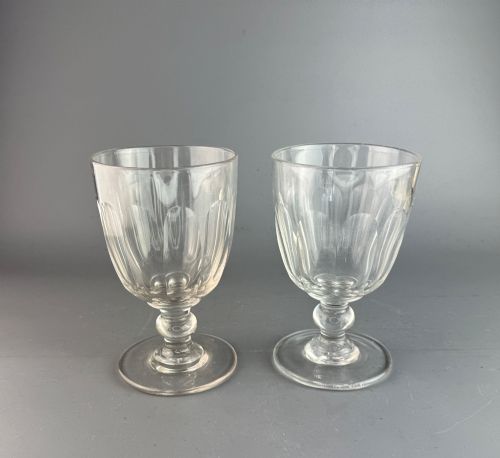
A rummer is a large, sturdy drinking glass with a short stem and a capacious bowl suited to ale or claret. A flute is tall and slender, specifically proportioned for sparkling beverages.
Rummers generally date towards the late eighteenth and nineteenth centuries, whereas classic air and opaque twist flutes belong to the mid-eighteenth century.