


Georgian Walnut Tea Chest
A georgian walnut tea chest is a refined timber box designed to preserve precious tea leaves, prized for rich grain and period craftsmanship.
Georgian Walnut Tea Chest
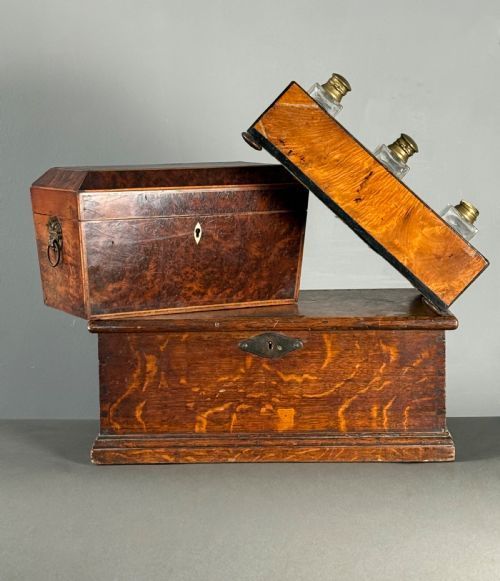
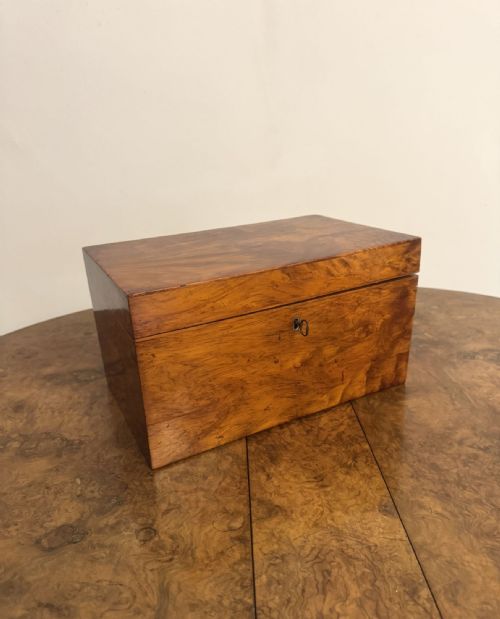
A georgian walnut tea chest appears on this page as a timber box or caddy shaped for domestic use during the eighteenth century and the Regency era. These pieces arrive in rectangular and oval forms, occasionally presenting as a pair or featuring a fitted interior for storage.
The materials recorded in these listings span walnut, burr walnut, red walnut, burr elm, and boxwood, alongside brass hardware and glass elements. Stylistic traits align with the Georgian period, George II, George III, and Regency eras, with some examples incorporating mother of pearl and bone details or decorative inlay.
How they were made
Cabinetmakers constructed these chests using solid and veneered timbers such as walnut and burr walnut, often supported by secondary woods like oak. Surfaces were finished to highlight the natural grain patterns of the wood.
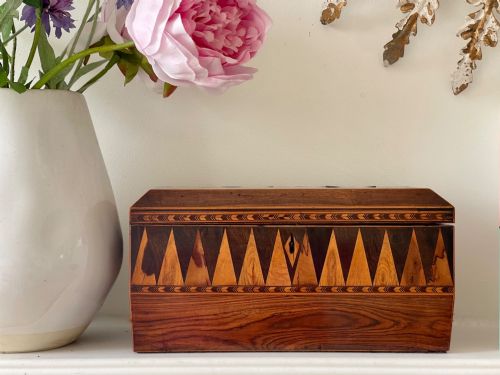
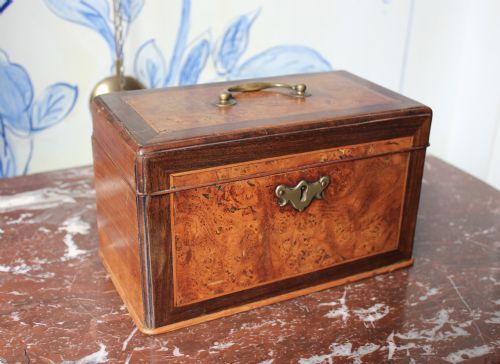
Detailing involved boxwood stringing, inlay work, and the integration of brass mounts or escutcheons. Tunbridge ware techniques and mother of pearl and bone details appear on specific examples to create contrasting surface decoration.
Listings for this phrase exclusively feature pieces from the Georgian, 18th Century, and Regency periods.
What varies in quality
The distinction between standard examples and superior pieces rests upon the selection of timber figures, such as highly figured burr walnut or red walnut. Finer execution is evident in the precision of inlaid boxwood lines and the preservation of original fitted interiors.
Overall visual impact depends on the harmony of proportions, the complexity of decorative details like mother of pearl accents, and the integrity of the period construction methods employed by the maker.
The Georgian Walnut Tea Chest Glossary
- Burr walnut
- A prized timber harvested from the wart-like growths on walnut trees, known for swirling, irregular grain patterns. It was frequently used for high-status decorative surfaces on Georgian furniture and boxes.
- Tunbridge ware
- A distinct type of woodwork characterised by mosaic patterns formed from tiny pieces of naturally coloured timbers. This decorative technique creates detailed geometric or pictorial designs on small boxes.
- Stringing
- A narrow inlay of contrasting wood used to outline panels or edges on furniture and boxes. Boxwood was commonly utilised for this purpose to create a crisp border.
Georgian Walnut Tea Chest: Frequently Asked Questions
What is a georgian walnut tea chest?
A georgian walnut tea chest is a period timber box made to store dry tea leaves securely. These containers date from the eighteenth century and the Regency era.
They reflect the high status of tea as a valuable commodity in British homes during that time. The interiors were often divided to keep different varieties of tea separate.
How were tea chests used?
These boxes served to hold and protect expensive tea leaves under lock and key. Servants or homeowners kept the tea safely stored until it was time to brew a pot.
They sat prominently in reception rooms as functional items that also demonstrated the household's taste and wealth. The fitted interior helped organise the contents.
How do I identify a Georgian tea caddy?
Identification relies on observing period characteristics such as walnut or burr walnut veneers, boxwood inlay, and brass hardware. Stylistic markers often link these objects to George II, George III, or Regency designs.
Construction details and materials match the manufacturing techniques typical of the eighteenth century. Examining the interior fittings and secondary woods helps confirm the period.
How do I care for antique walnut boxes?
Maintenance requires keeping the timber away from direct sunlight and extreme humidity fluctuations to prevent wood movement. Gentle dusting with a dry cloth preserves the polished surface.
Avoid using modern chemical polishes that can damage historic finishes. Regular, careful handling ensures the brass and inlay remain secure.