

Georgian Walnut Stand
A georgian walnut stand is a raised timber support or elevation piece for holding objects, prized by collectors for its rich grain and period form.
Georgian Walnut Stand
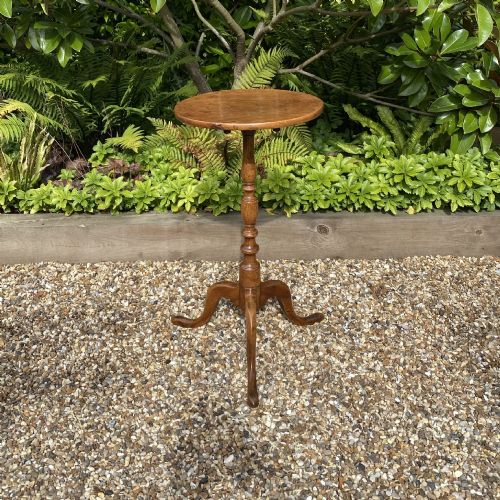
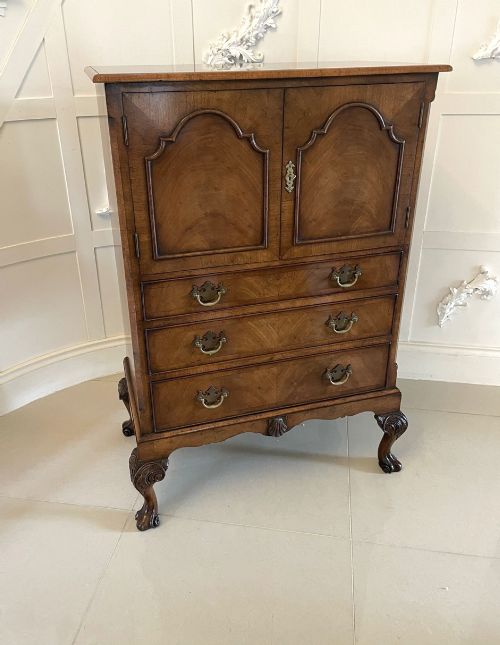
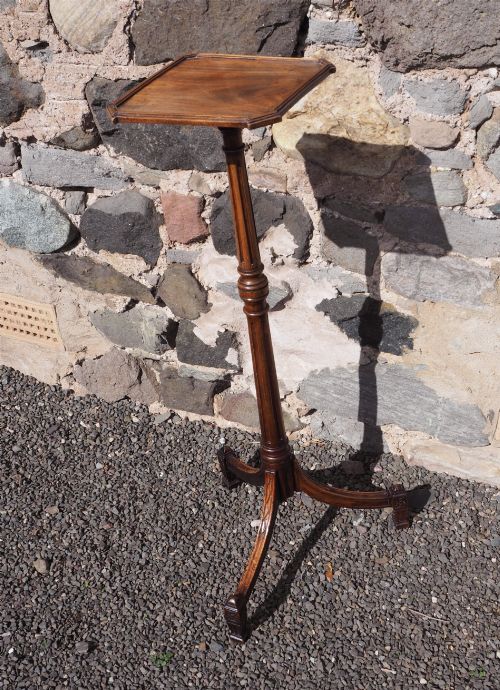
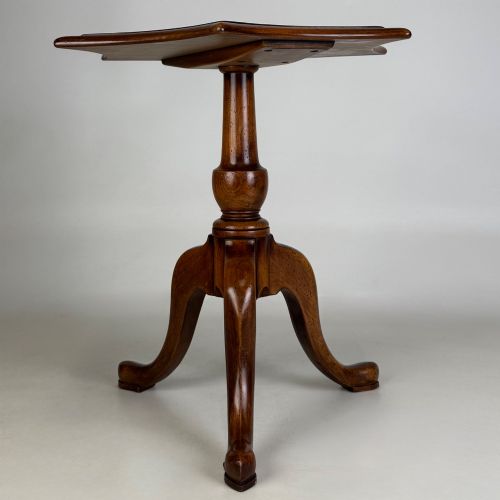
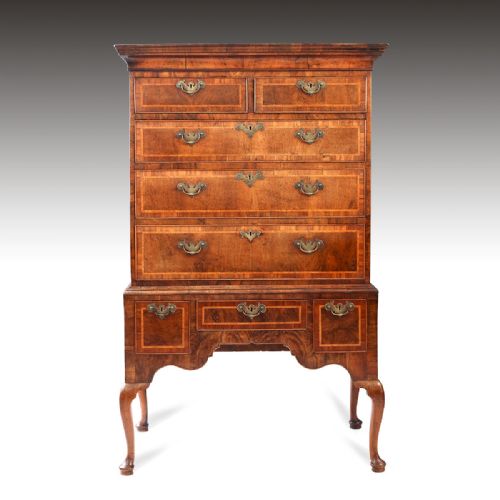
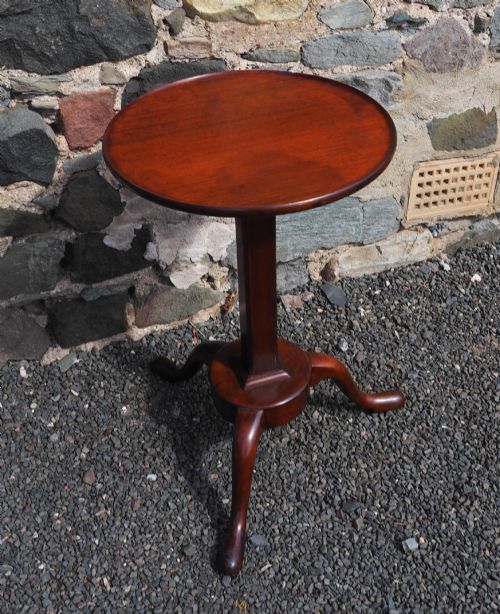
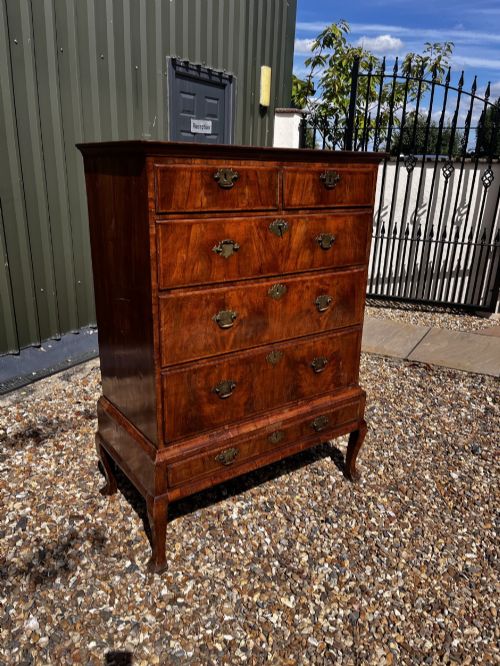
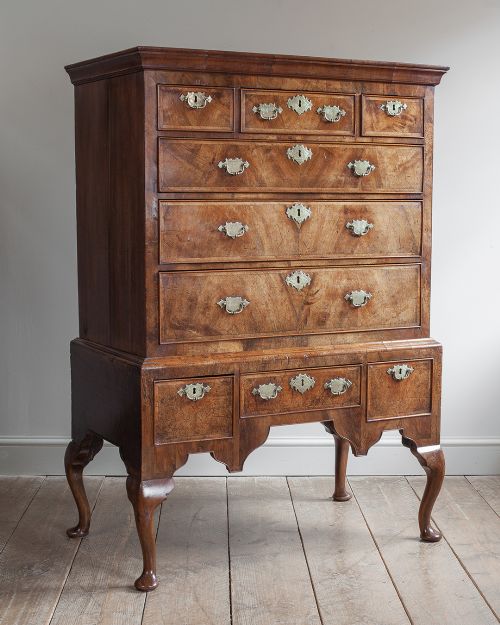
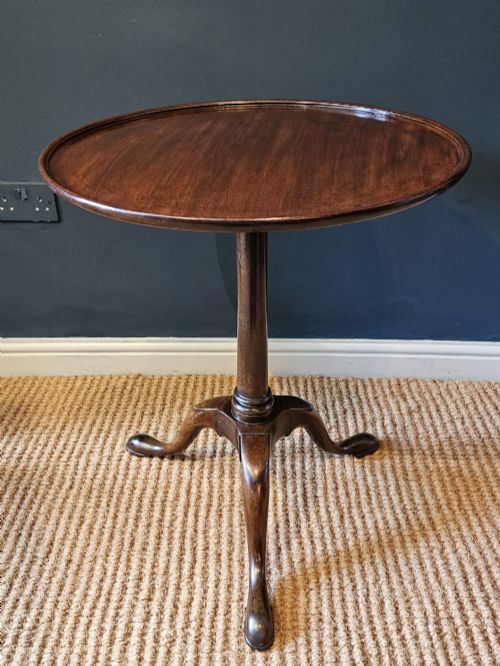
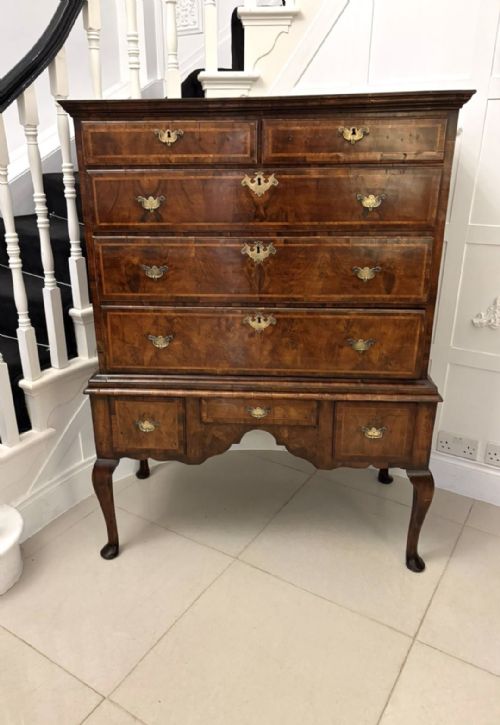
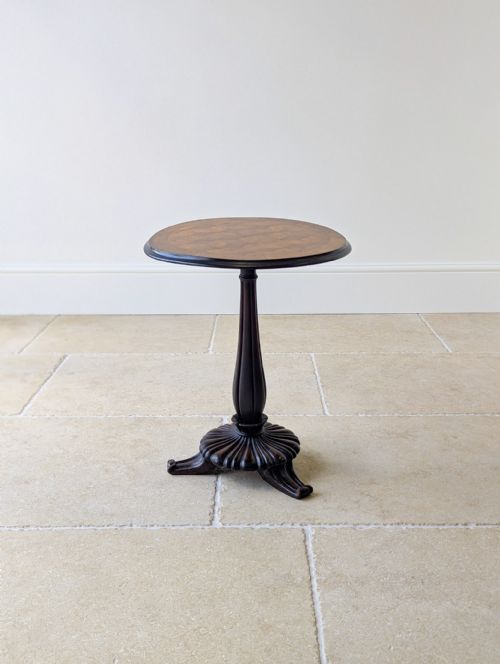
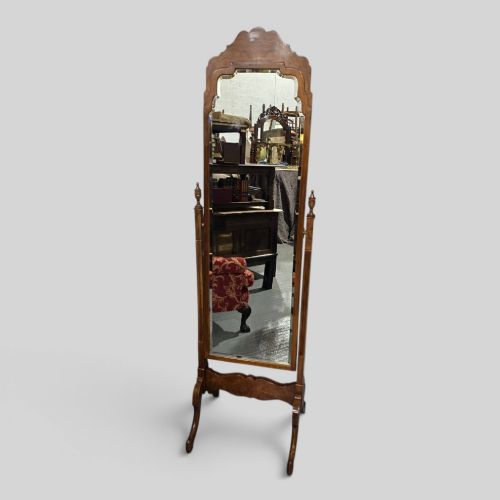
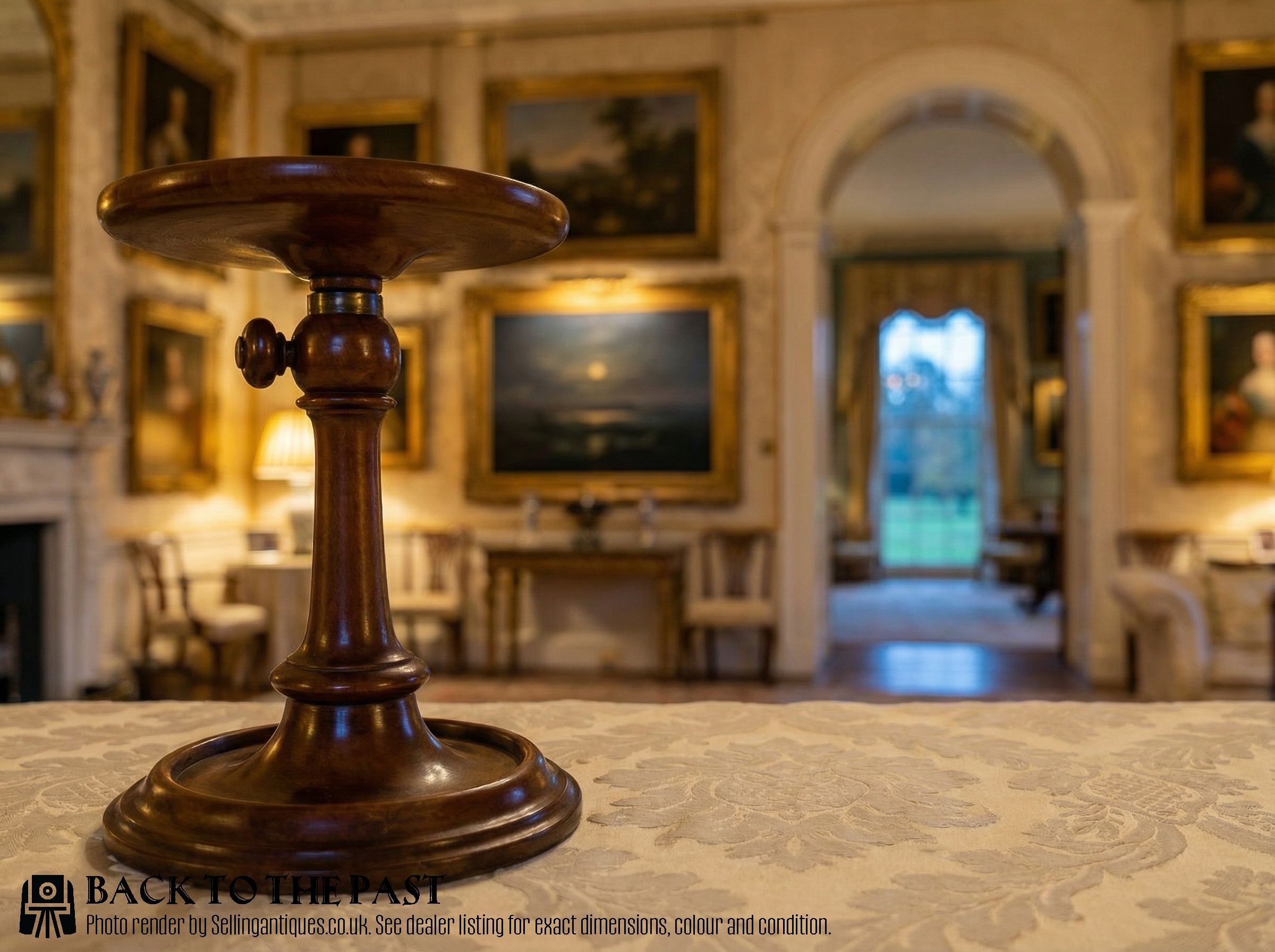
When searching for a georgian walnut stand, buyers encounter a variety of elevated furniture forms designed for specific domestic functions. The selection commonly includes multi-drawer chests raised on stands, wine tables, small torchères, candle stands, and specialised bowl stands.
The material vocabulary spans solid walnut, figured timber, and burr walnut veneer, frequently paired with secondary woods like oak. Pieces emerge from several distinct periods, principally the eighteenth century alongside later revivals from the twentieth century.
The physical configurations range from tall chests on legs to tripod tables, small lamp surfaces, and wig stands. Each form reflects the domestic habits and interior requirements of eighteenth-century and later households.
How They Were Made
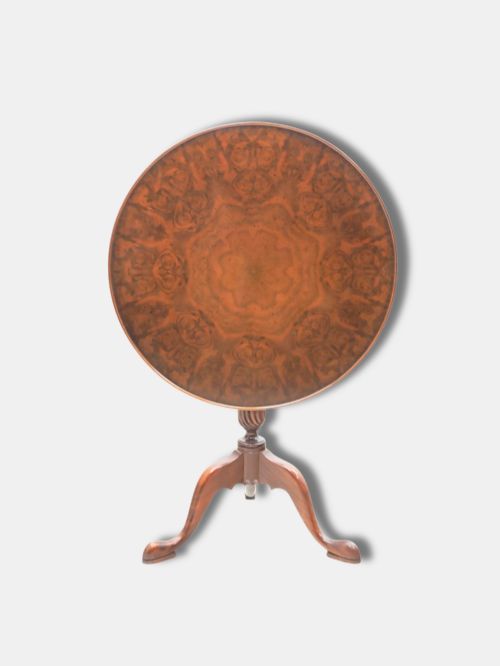
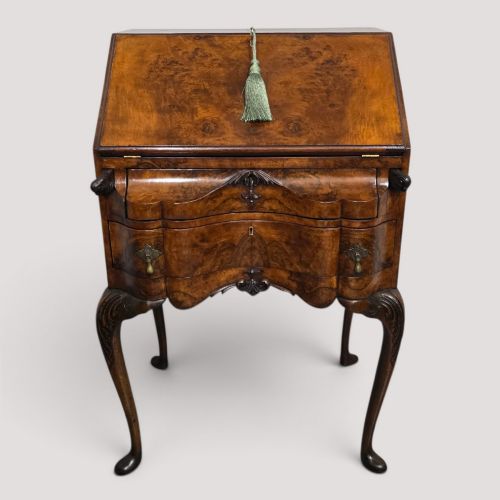
Cabinetmakers utilised native and imported walnut, often selecting figured timber or burr walnut veneer to create patterned surfaces on drawer fronts and table tops. These veneers were applied to stable secondary timbers such as oak using early animal glues.
Structural elements frequently incorporated turned supports, tripod bases, and brass hardware such as galleries, handles, and dials. Joinery relied on traditional methods appropriate to the period, including dovetails for drawer construction and pegged tenons for frames.
Certain stands were built specifically to hold wigs, proving that eighteenth-century mornings involved serious headwear management.
What Varies in Quality
The grade of a piece rests upon the choice and matching of the timber veneers, where symmetrical grain patterns and rich natural colour command higher regard. Subtle execution of carved details, such as cabriole legs or moulded edges, further distinguishes superior examples.
Proportion and structural integrity dictate the standing of an item within its category. Untouched original surfaces and minimal alteration to the timber or hardware preserve the integrity sought by experienced collectors.
Richard Corless of Stockport·Windmills and Wightman London
The Georgian Walnut Stand Glossary
- Burr walnut
- A prized timber harvested from tree growths that produces intricate, swirling grain patterns. Cabinetmakers sliced this wood into thin veneers for decorative furniture surfaces.
- Chest on stand
- A two-part storage form featuring an upper section of drawers elevated on a separate frame with legs. This configuration lifted storage off cold floors during earlier centuries.
- Torchère
- A tall, slender stand designed to hold a candle or lamp. These pieces often feature tripod bases and elevated platforms.
- Snap top table
- A occasional table with a hinged top that tilts into a vertical position when not in use. This mechanism allowed tables to be stored against walls.
- Marquetry
- The art of applying small pieces of veneer to a structure to form decorative patterns or pictures. Craftsmen used various woods to achieve tonal contrast.
Georgian Walnut Stand: Frequently Asked Questions
How do I identify a genuine period piece?
Examine the construction methods, timber choice, and wear patterns visible on the underside and drawer interiors. Period items display hand-cut joinery and natural ageing consistent with eighteenth-century or early manufacture.
Compare the timber figure and hardware with known examples from the same era. Consistency in materials and structural wear helps distinguish authentic period pieces from later revivals.
Where were these stands used in homes?
These elevated pieces served specific functional roles in period drawing rooms, bedrooms, and parlours. Smaller tables held candles, tea equipment, or wigs, while larger chests provided primary storage.
Their portable nature allowed owners to move them around rooms as domestic needs shifted throughout the day. They functioned as both utilitarian objects and decorative furnishings.
How should I care for walnut furniture?
Maintain stable indoor humidity levels and keep wooden pieces away from direct heat sources to prevent timber splitting or veneer lifting. Regular dusting with a soft, dry cloth preserves the finish.
Avoid commercial silicone polishes and instead apply occasional appropriate wax feeds to nourish the old timber surface. Gentle handling protects delicate edges and historical joinery.
What is the difference between walnut and burr walnut?
Standard walnut timber displays a straight or slightly figured grain pattern derived from the main trunk of the tree. It offers structural strength and a uniform warm brown tone.
Burr walnut comes from irregular growth warts on the tree, yielding dense, swirling abstract patterns. Craftsmen reserved this highly decorative material for prominent veneer panels on elite furniture.