
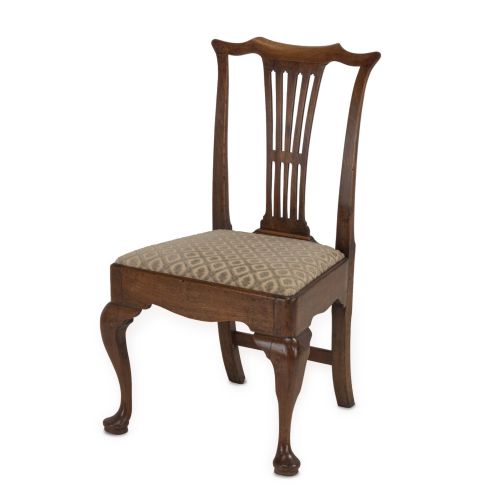


Georgian Walnut Desk Chair
A georgian walnut desk chair offers tactile presence and sturdy timber construction, making it a robust choice for any working space.
Georgian Walnut Desk Chair
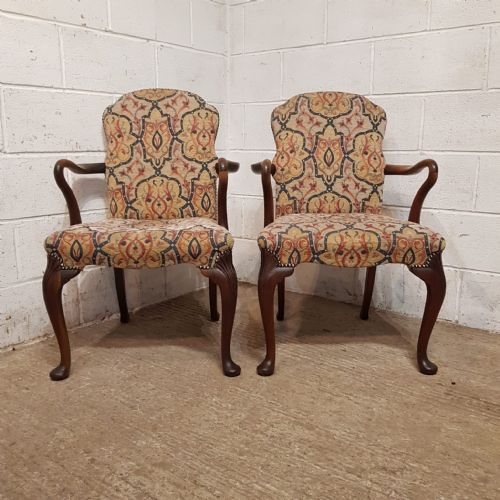
A georgian walnut desk chair is a sturdy seating form designed for study and writing, appearing in various configurations such as armchairs, library chairs, and corner chairs. The pieces found here span the early 18th century through the Georgian period, alongside later revival interpretations from the 19th and 20th centuries.
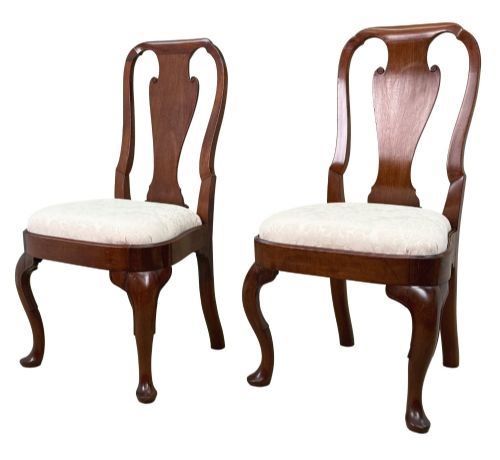
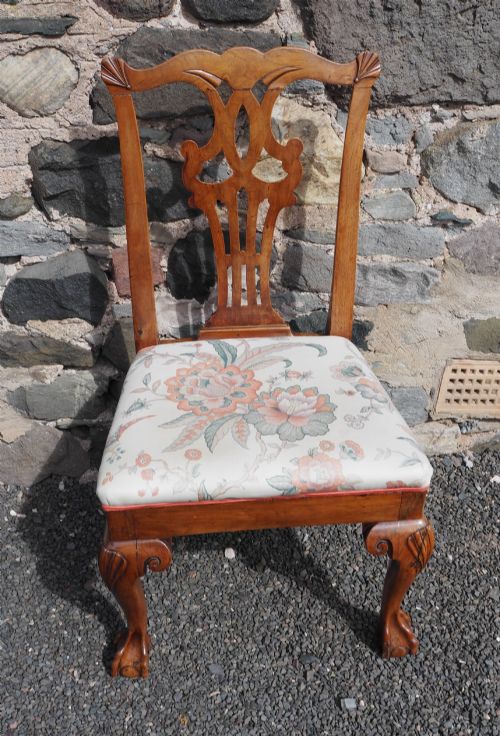
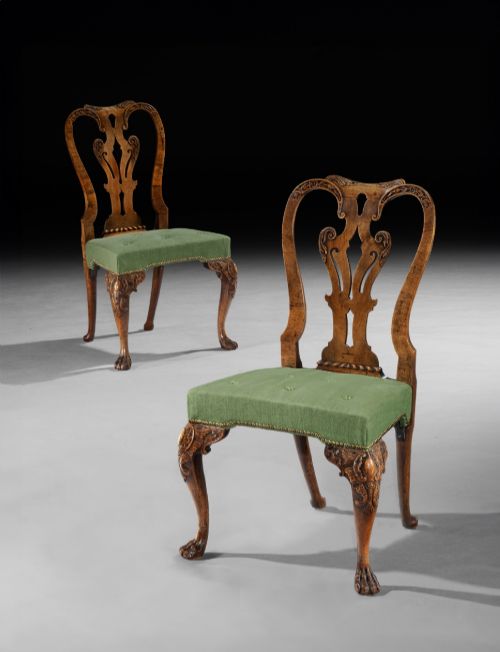
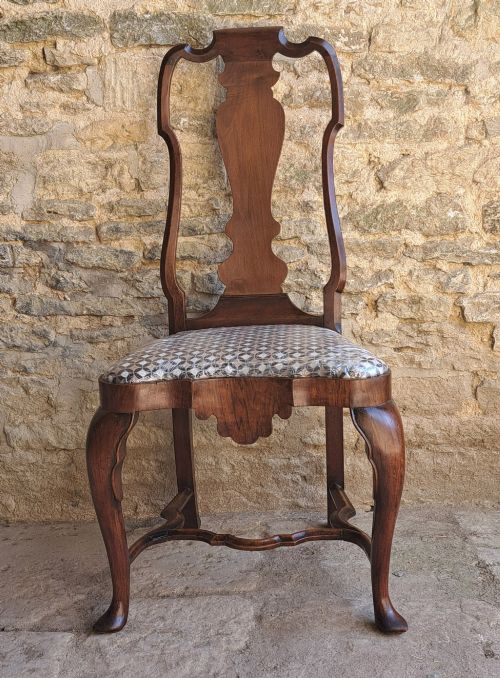
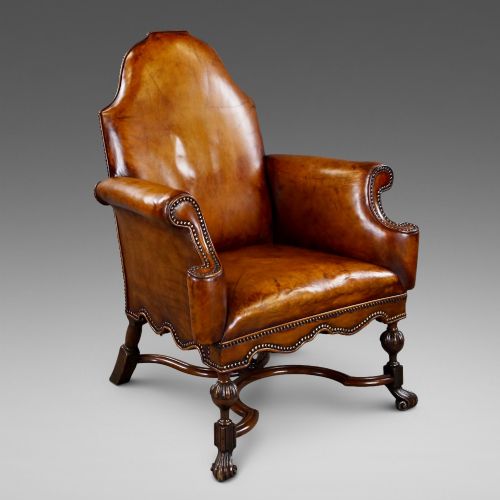
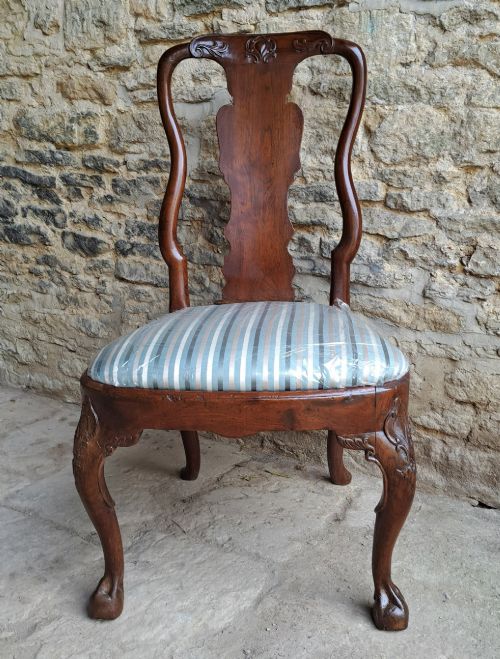
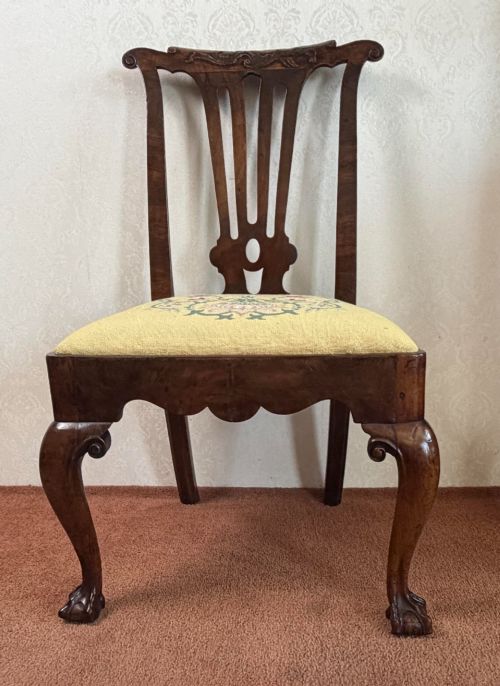
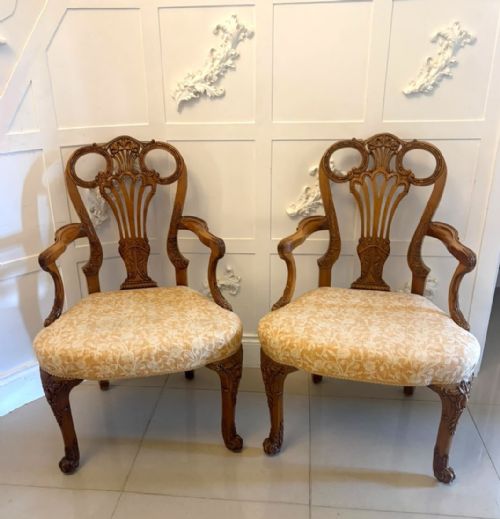
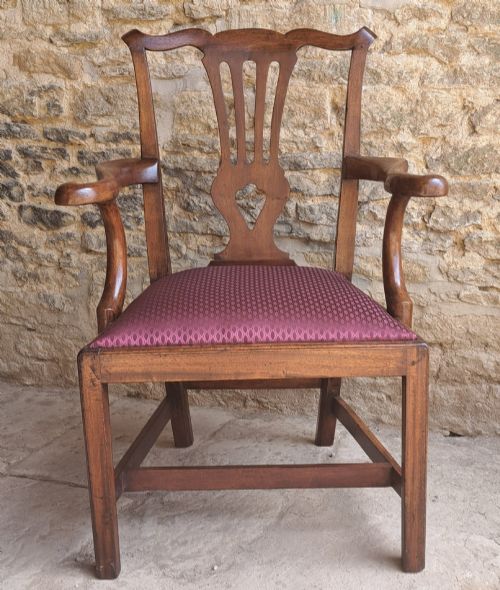
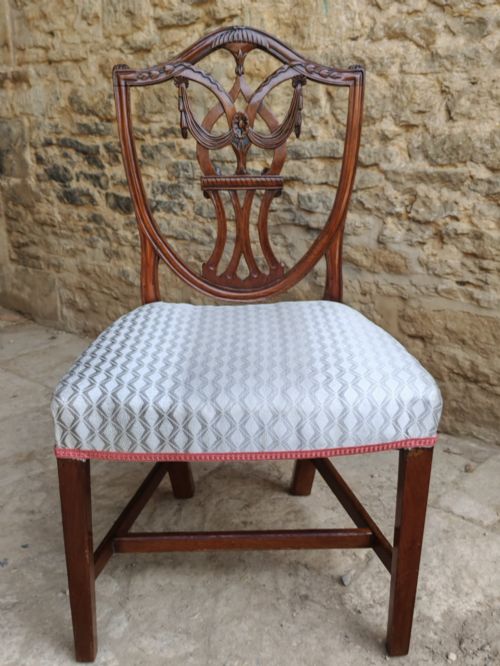
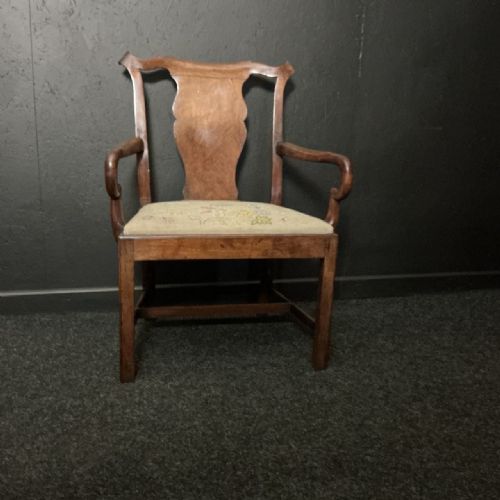
Buyers meet forms featuring solid timber frames, often built with cabriole legs, pierced splat backs, or ribbon backs. Many examples incorporate drop-in seats or fixed pads upholstered in leather, textile, or tapestry.
Origins stretch across English, Irish, and Scottish workshops, showing regional variations in timber tone and carving detail. The selection bridges authentic period pieces from the 1700s with later George II style and Queen Anne revival iterations.
How they were made
Craftsmen built these frames primarily using walnut, occasionally selecting red walnut, shaped through cutting, turning, and joinery techniques. Frames frequently feature carved details on the knees or crest rails, alongside pierced splats fitted into the backrests.
Seats utilise traditional drop-in wooden frames or fixed upholstery methods. Materials like leather, tapestry, needlepoint, and textile fabric are secured over webbing or stuffing to complete the seating surface.
Structural reinforcement relies on traditional joinery, sometimes supplemented by brass hardware or castors depending on the specific desk chair or library armchair form.
Listings feature walnut, leather, brass, and various upholstery textiles across centuries ranging from the 1750s to the 1920s.
What varies in quality
Quality rests upon the crispness of the timber carving and the architectural proportion of the frame. Pieces with deeply sculpted cabriole legs or finely pierced splats demonstrate superior workshop execution.
The choice and figuring of the walnut veneer or solid timber define the visual depth of the surface. Rich grain patterns and careful timber matching elevate an example above plain or heavily restored counterparts.
Whytock & Reid of Edinburgh
The Georgian Walnut Desk Chair Glossary
- Cabriole leg
- A furniture leg that curves out and then in, mimicking an animal limb. This form typically terminates in a pad or claw foot.
- Pierced splat
- The central vertical slat of a chair back that has been pierced or cut through to create an openwork decorative pattern.
- Drop-in seat
- A removable wooden frame upholstered separately and dropped into a ledge in the chair seat rails.
- Corner chair
- A chair designed to fit into the corner of a room, featuring a diagonal seat plan and a continuous arm rail supported on posts.
- Needlepoint
- A type of canvas work embroidery used historically to cover chair seats with intricate stitched designs.
Georgian Walnut Desk Chair: Frequently Asked Questions
How do I identify a true period chair?
Examine the timber construction, joinery methods, and wear patterns underneath the seat frame. Period pieces exhibit construction traits specific to 18th-century workshop practices.
Compare the carving style and proportions against authenticated examples from the same decade. Revival pieces from later centuries often betray their origin through machine tooling marks or standardised dimensions.
What is a corner desk chair?
A corner desk chair is built with a square seat set diagonally, featuring a semicircular backrest supported by turned columns. This layout provided stable seating for writing at corner tables.
Such designs allowed writers to shift positions easily while remaining supported by the wraparound arm rail.
How should I care for leather upholstery?
Clean the leather surface gently using a soft, dry cloth to remove dust. Avoid harsh chemical cleaners that strip natural moisture.
Apply specialised leather balms sparingly to maintain suppleness and prevent cracking over time. Keep the chair away from direct heat sources and strong sunlight.
Can I use these chairs daily?
These timber chairs were constructed for daily administrative and study use, making them durable enough for modern workspaces. Ensure the joints remain tight before regular seating.
Protect delicate antique textiles or needlepoint seats by adding a subtle protective cover if daily wear is anticipated. Periodic checks by a conservator will keep the structural frame secure.