

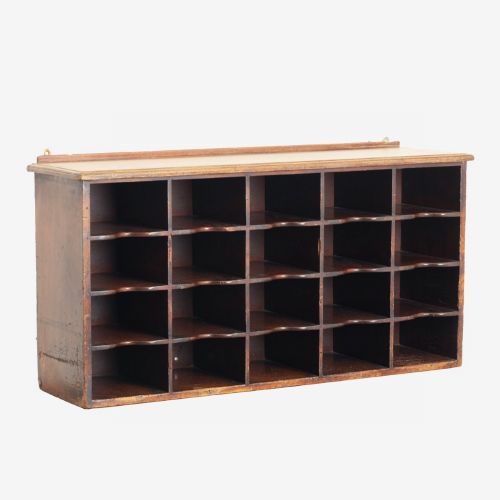
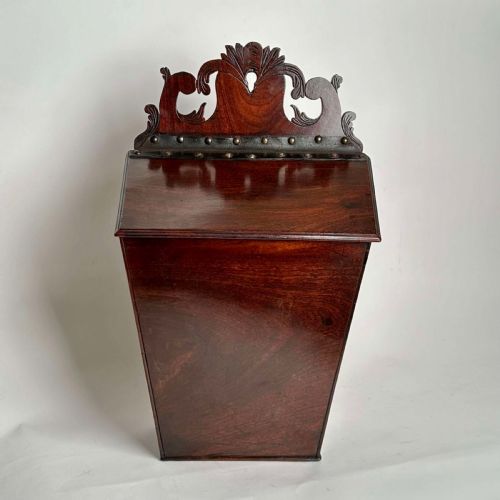

Georgian Wall Rack
These pieces known as a georgian wall rack bring practical display and storage directly to domestic walls through traditional craftsmanship.
Georgian Wall Rack
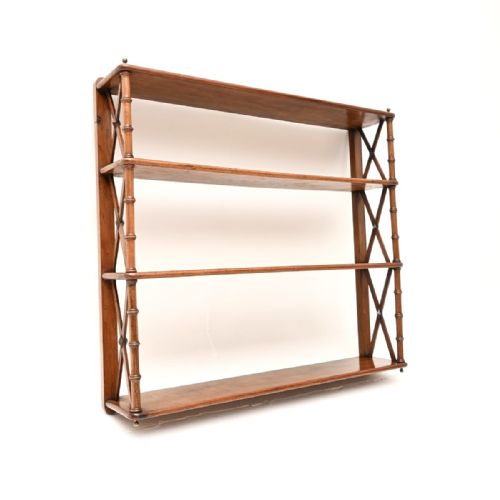
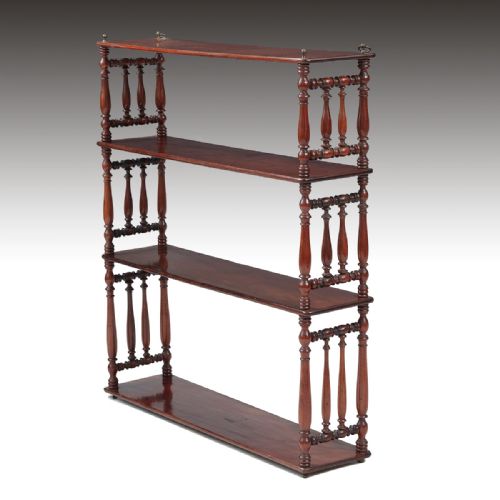
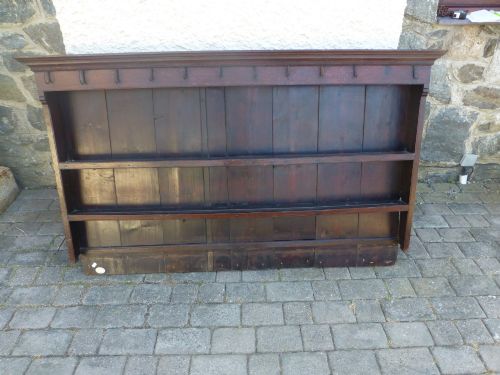
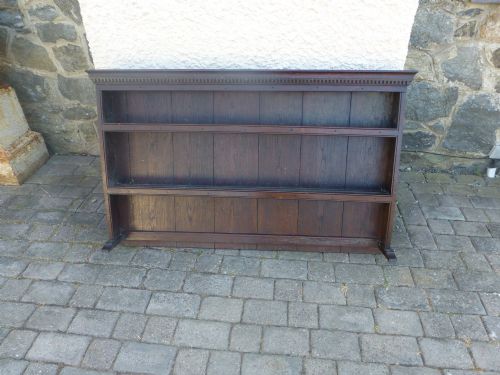
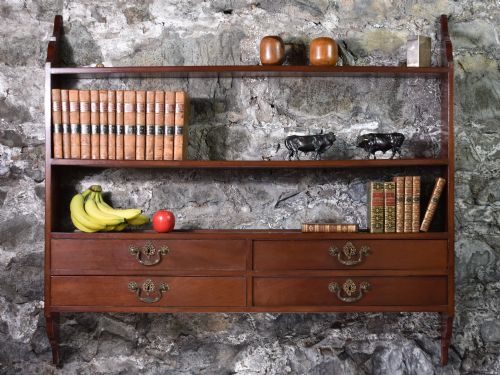
A georgian wall rack serves as a functional wall-mounted fixture designed for displaying plates, spoons, books, or kitchen items. The selection frequently includes oak and mahogany examples originating from the eighteenth century.
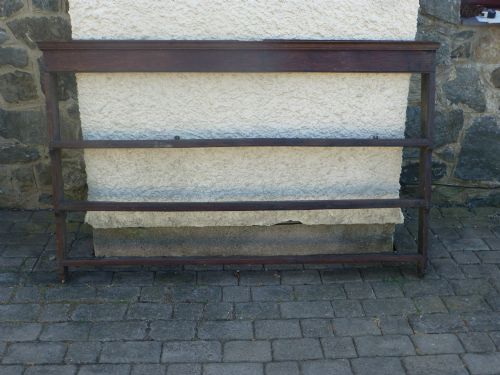
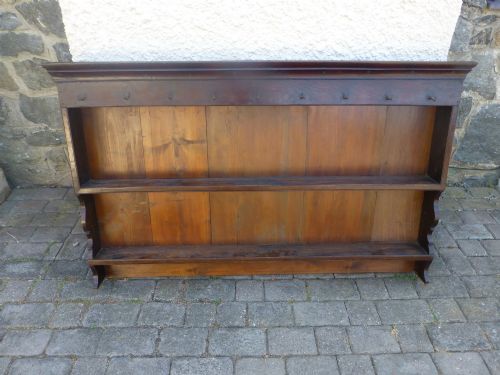
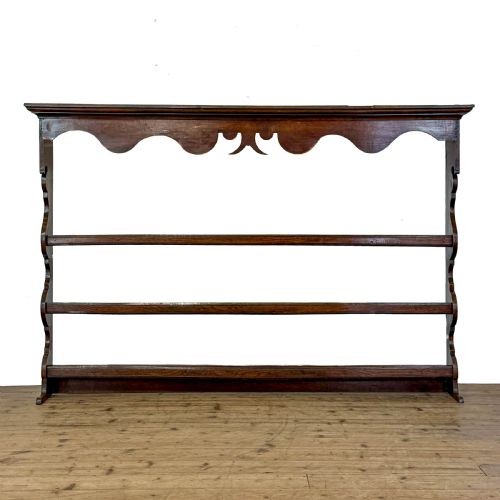
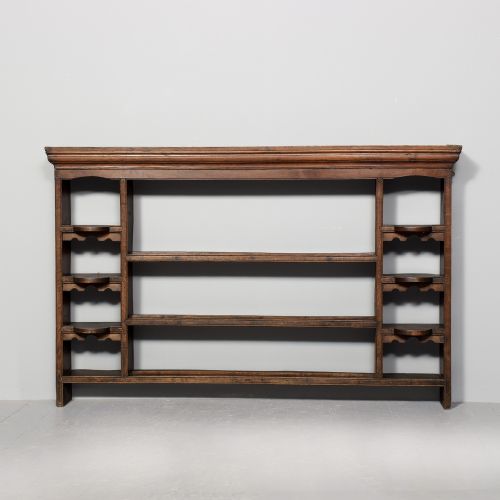
Plate racks and delft racks dominate the available forms, often featuring open shelving or specialised slots for tableware. Hanging shelves and spoon racks also appear regularly among the listed items.
Examples span the eighteenth and nineteenth centuries, including pieces from the Regency period and George III eras. Country oak versions and mahogany display units represent the primary styles encountered.
Materials and construction
Makers relied heavily on solid oak, pine, and mahogany for the primary structure of these wall-mounted pieces. Secondary woods such as pine appear frequently in backing boards and internal framing.
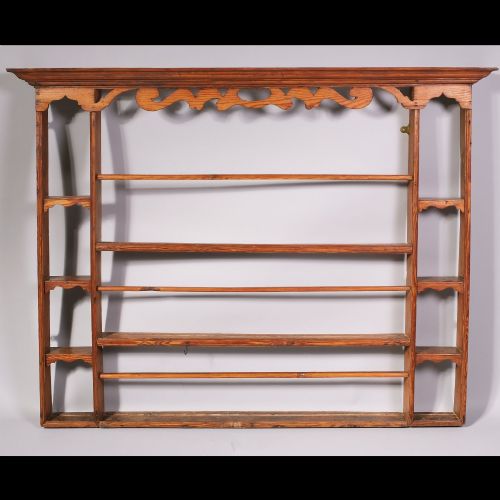
Joinery methods reflect traditional period carpentry, utilising pegged joints and simple housings to support shelves and plate rails. Decorative elements occasionally include fretwork, inlaid details, or Corinthian columns.
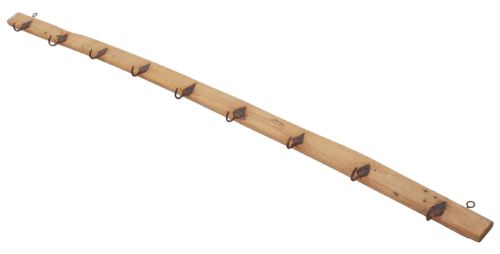
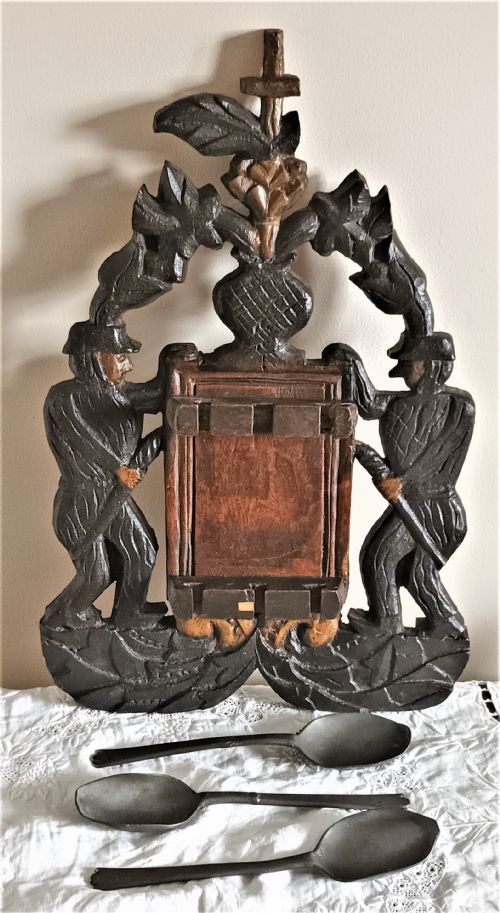
Hardware consists mainly of wrought iron, brass hooks, and hinges used for hanging or securing components. Pewter spoons and brass fittings sometimes accompany the wooden frameworks.
Available forms range from delft plate racks and hanging bookshelves to spoon racks and cutlery boxes.
Evaluating quality and proportion
The choice of timber heavily influences the character of a piece, with finely figured mahogany and dense, patinated oak sitting at the higher end. Simple pine versions offer a more utilitarian country aesthetic.
Proportion and architectural detailing distinguish finer examples from standard utility items. The presence of carved fretwork, columns, or period brass elements elevates the visual presence on the wall.
Surface preservation and natural patination play a significant role in defining the appeal of older woodwork. Unaltered surfaces with deep historical wear generally command greater attention from collectors.
The Georgian Wall Rack Glossary
- Delft rack
- A wall-mounted wooden rack specifically designed to hold ceramic plates and platters upright on display. These fixtures typically feature narrow shelves with protective front lips.
- Spoon rack
- A specialised wall rack featuring small apertures or notches intended for displaying domestic spoons vertically. Pewter spoons are frequently associated with these surviving examples.
- Hanging shelves
- Open wooden shelving units built with sturdy back panels and brackets for wall suspension. They were commonly utilised in period parlours and kitchens for storage.
- George III
- The period of British history spanning from seventeen sixty to eighteen twenty, noted for specific stylistic developments in furniture. Pieces from this era often display refined classical proportions.
- Regency
- The stylistic period covering the early nineteenth century up to eighteen thirty, characterised by classical revival motifs and darker timbers like mahogany. Brass accents frequently complement these designs.
Georgian Wall Rack: Frequently Asked Questions
Where were wall racks placed in Georgian homes?
These fixtures were primarily mounted in kitchens, dining rooms, and pantries to keep everyday tableware within easy reach. Kitchens utilised them for heavy delft plates and cooking utensils.
Finer mahogany variants found places in parlours or living spaces to display books and decorative objects. Their wall-mounted design saved valuable floor space in compact rooms.
How do I mount an antique wall rack safely?
Safety depends on locating sturdy wall studs and using appropriate weight-bearing fixings that match the heavy oak or mahogany construction. Professional installation is recommended given the substantial weight of old timber.
Ensure the hanging brackets or pre-drilled fixing points on the back are secure before loading plates or books onto the shelves.
What is the difference between an 18th-century and a Regency rack?
Eighteenth-century pieces typically employ solid oak with simpler, robust country craftsmanship suited for utility and heavy kitchen use. They often feature plain boards and traditional peg joinery.
Regency examples lean towards mahogany construction, sometimes incorporating brass fittings, inlay, or refined classical lines intended for formal rooms.
Can these racks support heavy modern ceramics?
Most period racks were built to hold traditional earthenware and pewter without issue, provided the structure remains stable. However, modern heavy stoneware requires careful weight distribution.
Check the overall structural integrity of the joints and wall fixings before placing heavy decorative items on older shelves.