



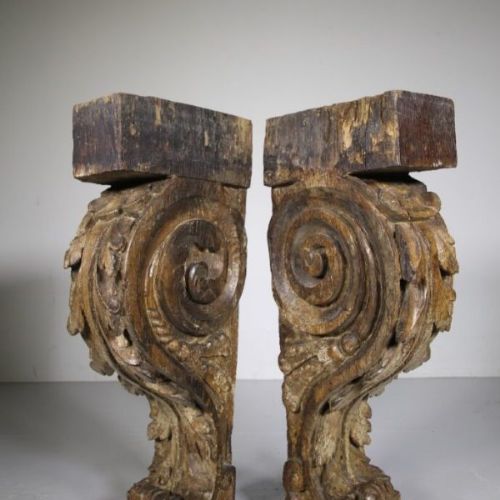


Georgian Wall Brackets
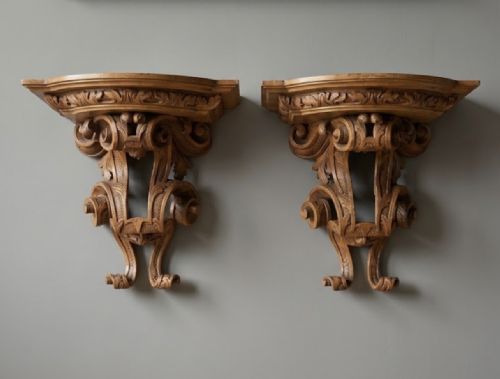
Georgian wall brackets project from interiors to hold ornaments or candles, forged from timbers and gilded finishes.
Georgian Wall Brackets
When you search for georgian wall brackets, you encounter items designed to project from a vertical surface, providing a decorative or functional ledge for objects, lights, or timepieces. These pieces range from structural supports to decorative display surfaces.
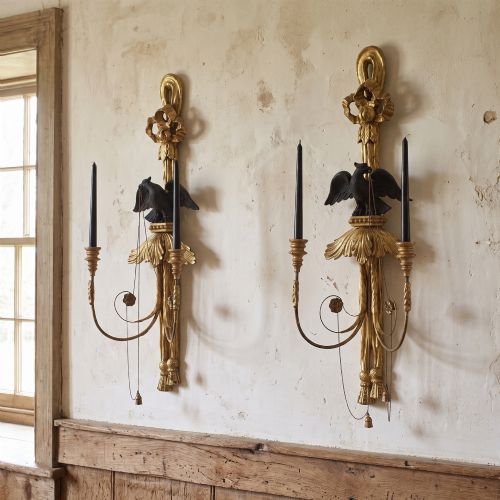
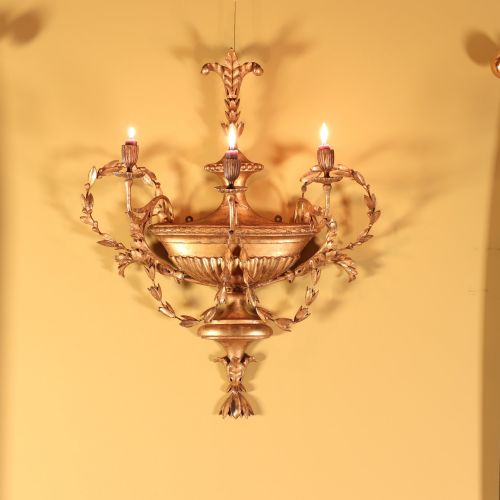
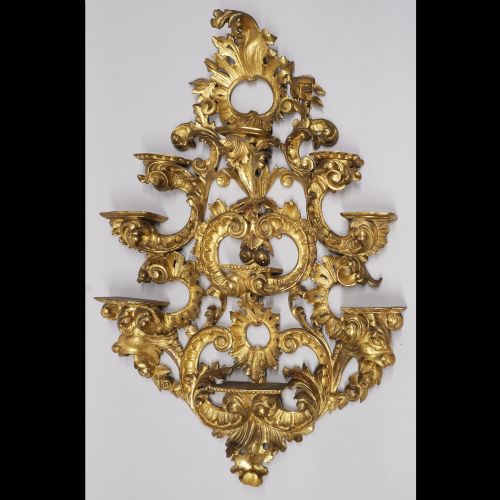
The selections here encompass carved wooden forms, giltwood sconces, and associated architectural elements dating across the eighteenth century and subsequent revival periods. Walnut and mahogany appear frequently alongside gilded gesso.
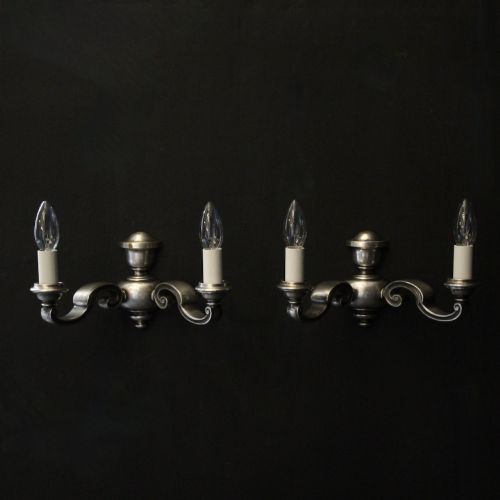
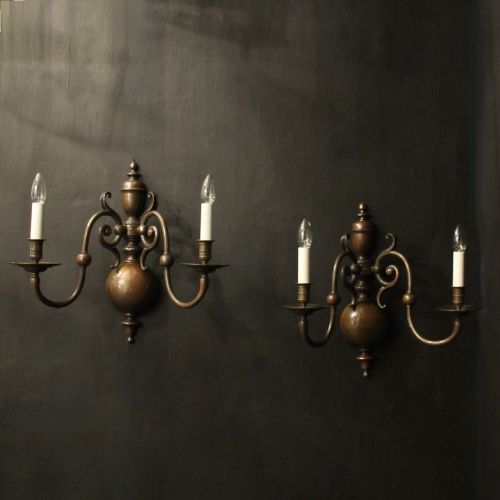
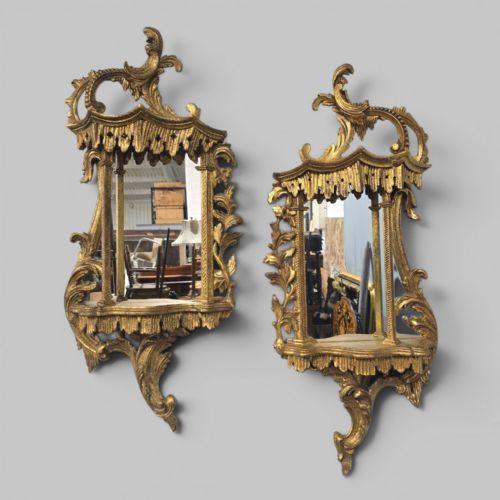
Buyers often meet pairs intended for symmetrical placement, frequently accompanying mirrors or lighting apparatus. The forms bridge structural utility and ornamental display.
Materials and Construction
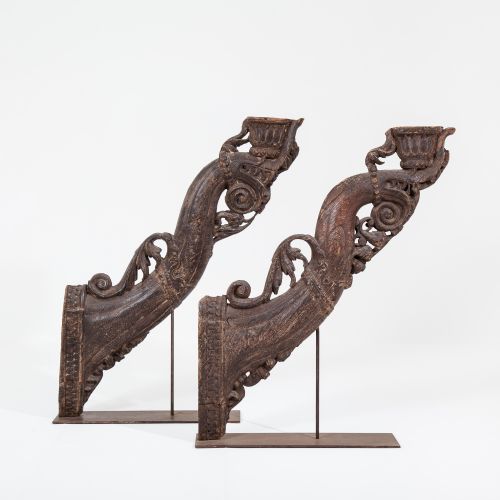
Craftsmen utilised dense hardwoods such as mahogany and walnut, carving them into complex profiles, acanthus leaves, and structural scrolls. These timbers provided the strength needed for weight-bearing projections.
Giltwood and gesso surfaces required precise application of gold leaf over prepared plaster layers upon a carved wooden base. This technique created the reflective, ornate finishes characteristic of neoclassical and rococo examples.
Listings feature georgian wall brackets alongside related domestic objects including wall clocks, pier mirrors, and corner shelves.
Distinctions in Quality
The preservation of original gilding and surface patination dictates the integrity of finished items. Subsequent interventions or stripped surfaces alter the visual impact of wood and gold leaf.
Strahan of Dublin·Cording of London·Henry Deykin, Worcester·John Seddon of London·Valiant Paris
The Georgian Wall Brackets Glossary
- Giltwood
- Wood that has been coated with gold leaf or gold paint. This finish was common on neoclassical and rococo wall furnishings.
- Gesso
- A plaster-like mixture applied to wood surfaces as a base for paint or gilding. It allowed carvers to create smooth details before applying gold leaf.
- Corbel
- A structural piece of stone, wood, or metal jutting from a wall to carry a superincumbent weight. These function as heavy-duty wall brackets.
- Sconce
- A wall-mounted lighting fixture designed to hold candles or electric bulbs. Many examples incorporate mirrored backs to amplify light.
Georgian Wall Brackets: Frequently Asked Questions
How do I secure a wall bracket safely?
These items require fixing directly into structural studs or masonry using appropriate wall anchors to support their weight.
Heavier carved wooden or giltwood examples place significant leverage on fixings, so professional installation is advisable.
Can these brackets support heavy objects?
Capacity depends entirely on the material, construction method, and the integrity of the wall fixing.
While solid mahogany or oak corbels handle substantial weight, delicate giltwood pieces serve primarily for light display.
How should I clean antique giltwood?
Dust surfaces gently with a dry, soft artist brush to avoid disturbing fragile gold leaf layers.
Moisture and commercial cleaning products must be avoided entirely as they strip historic finishes.
How do I distinguish original 18th century pieces from revivals?
Examine the timber shrinkage, tool marks on the reverse, and the composition of the gesso base layers.
Revival pieces often display machine precision or uniform surfaces that differ from eighteenth-century hand carving.