


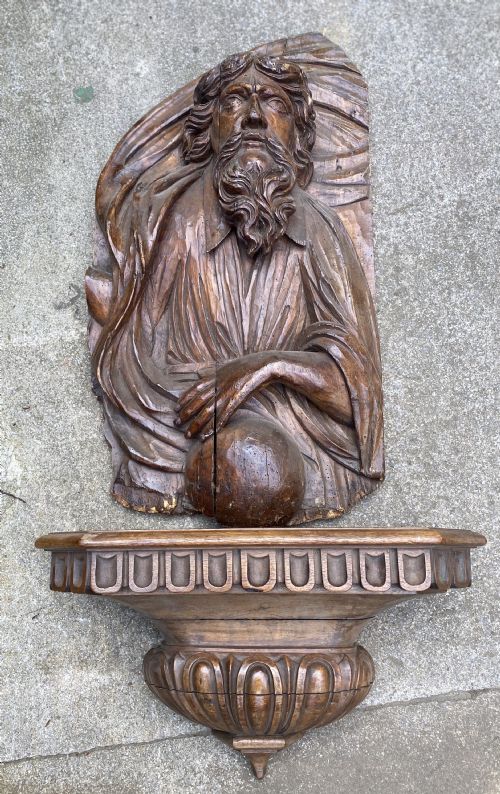
Antique Walnut Corbels
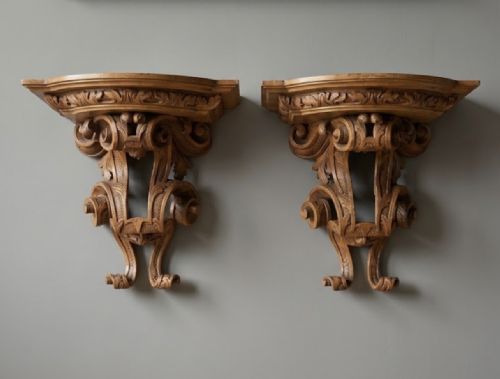
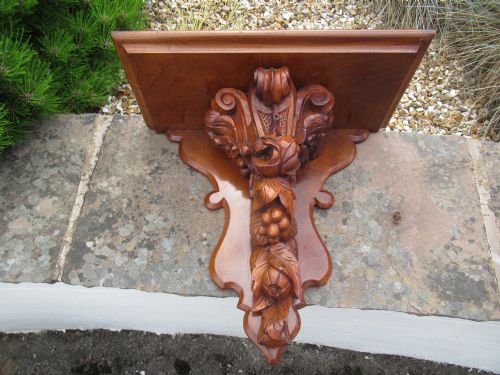
Antique walnut corbels bring rich timber tone and bold architectural carving to interiors, offering sturdy wall support and striking sculptural presence.
Antique Walnut Corbels
When you search for antique walnut corbels, you find architectural woodwork and decorative wall brackets spanning multiple centuries. These pieces serve both structural and ornamental purposes within period interiors.
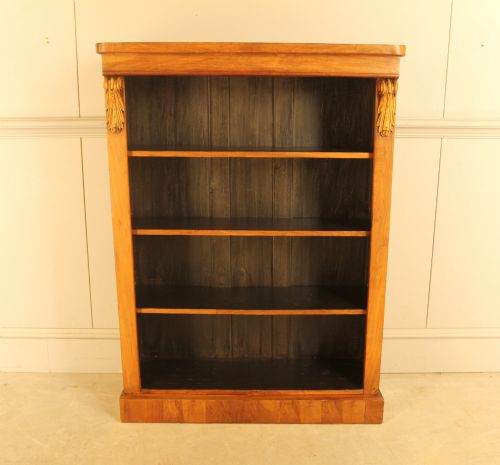
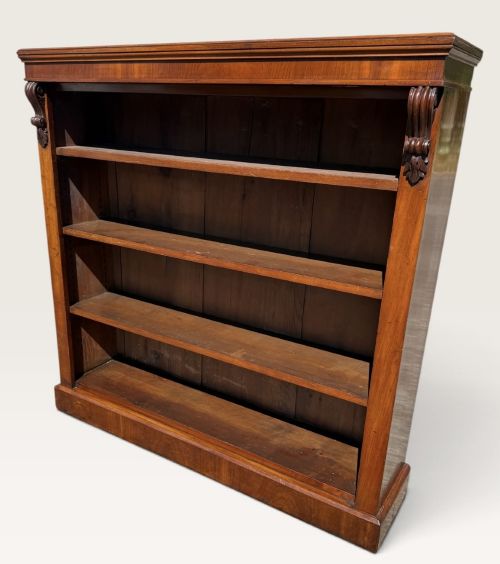
The selection on this page centres on items fashioned from walnut, red walnut, and walnut veneer. Forms range from wall brackets and sculptures to bookcases and chests of drawers.
Examples stretch across the seventeenth, eighteenth, and nineteenth centuries. Styles include Georgian, Victorian, Baroque, Renaissance Revival, and Black Forest carvings.
How they were made
Carvers shaped these items primarily from solid walnut and red walnut, relying on dense grain to hold intricate sculptural detail. Certain pieces incorporate pine as a secondary structural timber alongside walnut veneer.
Makers utilised hand-chiselling and deep relief carving techniques to render complex subjects such as lion heads, tiger heads, and figurative sculptures. Surface finishes were left to age naturally, preserving the dark lustre of the wood.
Carved wooden beasts peer out from the nineteenth century, including fierce lions, a tiger, and even the devil himself.
What varies in quality
Depth of carving and anatomical accuracy separate exceptional sculptural brackets from simpler utilitarian supports. Master carvers achieved remarkable expression in animal and human forms, distinguishing individual studio work from standard production pieces.
The choice of timber grain and the integrity of the walnut surface dictate the visual appeal. Rich colouration and crisp edges on relief work indicate superior craftsmanship.
Luigi Frullini
The Antique Walnut Corbels Glossary
- Corbel
- A structural piece of stone, wood, or metal projecting from a wall to carry a weight. In this context, it functions as a decorative wall bracket.
- Black Forest
- A style of wood carving originating in Switzerland and Germany during the nineteenth century. It is known for realistic depictions of wildlife and naturalistic forms.
- Red Walnut
- A North American variety of walnut timber prized for its distinctive reddish hue and durable grain. Carvers utilised it for prominent architectural fittings.
- Wellington Chest
- A tall, narrow chest of drawers secured by a hinged locking bar on one side. The listings include walnut examples from the Victorian era.
- Renaissance Revival
- An architectural and decorative style drawing inspiration from fifteenth and sixteenth-century European design. Pieces exhibit classical motifs and heavy relief work.
Antique Walnut Corbels: Frequently Asked Questions
What are antique walnut corbels used for?
These pieces function as decorative wall brackets to support shelves, mantels, or architectural projections. They also serve as standalone sculptural wall ornaments.
Historically, they added classical weight and decorative richness to formal rooms, libraries, and hallways.
How do I date a walnut corbel?
Dating relies on stylistic clues, tool marks, and the specific characteristics of the walnut timber. Georgian and seventeenth-century items show hand-cut joinery and different carving depths compared to Victorian pieces.
Comparative study of regional carving styles, such as Black Forest work, also helps narrow down the period of manufacture.
Are these corbels strong enough to hold weight?
Many of these items were built as load-bearing architectural salvage or sturdy wall displays. Solid walnut provides substantial natural strength for supporting shelves.
However, evaluation of each individual bracket's mounting points and timber condition is necessary before placing heavy loads upon them.
How should I clean antique walnut wood?
Maintenance requires gentle dusting with a dry or slightly damp lint-free cloth. Avoid modern chemical polishes that can build up and dull the historic finish.
Applying occasional microcrystalline wax helps protect the dry timber and maintains the natural lustre of the walnut.