



Georgian Carved Corbels
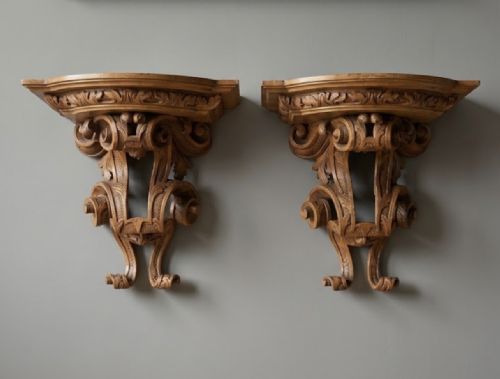
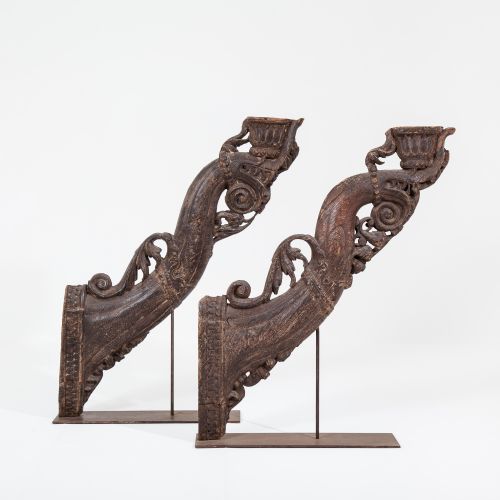
Georgian carved corbels are structural supports turned decorative elements, bringing robust architectural presence and rich surface carving into a room.
Georgian Carved Corbels
When you search for georgian carved corbels, you are looking at architectural salvage and wall brackets designed to carry weight or frame a space with classical proportion. The pieces found here span the eighteenth century into later nineteenth and twentieth century revivals, offering substantial timber forms and stone masonry.
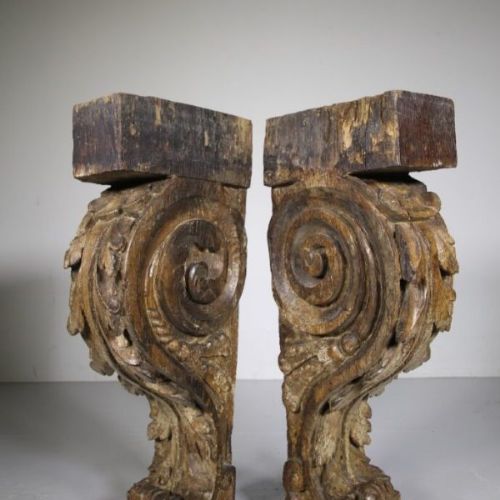
You will most frequently meet walnut and oak examples alongside ceiling boss panels and architectural fragments. These heavy timber supports originate from domestic and institutional settings, carrying the deep relief work typical of their period.
The selection extends from pairs of wall brackets to single large carved elements, reflecting the varied ways masonry and timber were deployed in classical interiors. Each piece demonstrates the heavy manual labour required to shape structural material into ornamental decoration.
Materials and construction methods
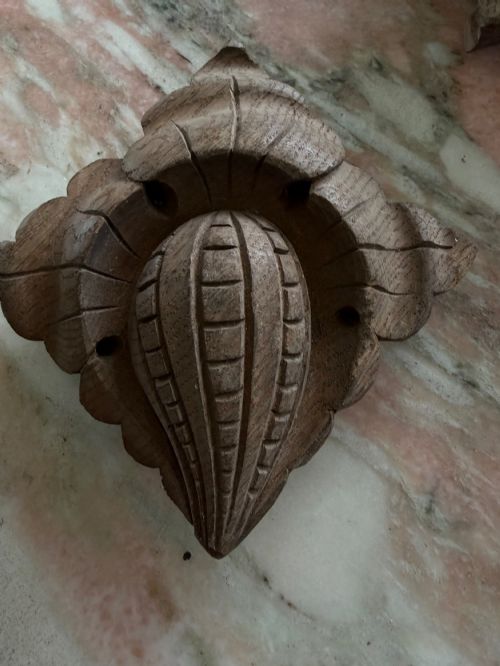
Makers shaped these pieces from solid hardwoods like walnut and oak, utilising carving chisels to achieve high relief and intricate detail. The timber grain dictates the depth of the carving, with dense woods holding crisp edges over centuries.
Other examples utilise stone and gesso, employing traditional masonry and moulding techniques to create durable architectural supports. Paint finishes and gilt framing appear on later pieces, altering the raw surface of the timber or plaster beneath.
Current listings feature materials spanning carved oak, walnut, gesso, iron, and limestone, alongside architectural salvage and wall brackets.
Assessing craftsmanship and depth of carving
Quality rests in the crispness of the chisel work and the depth of the undercut, which separates master carvers from routine trade production. A superior bracket shows fluid lines in foliage or figurative elements rather than stiff, mechanical repetition.
The choice of timber significantly affects the piece, with well-figured walnut and dense oak holding sharper detail than softer woods. Original surfaces and untouched patination elevate an architectural fragment, whereas heavy restoration obscures the original hand of the maker.
The Georgian Carved Corbels Glossary
- Corbel
- A structural piece of stone, wood, or metal jutting from a wall to carry a superincumbent weight. These architectural supports often terminate in carved scrolls or figurative heads.
- Wall bracket
- A projecting support fixed to a wall to hold a shelf, bust, or clock. They share the same load-bearing heritage as corbels but generally serve interior decorative functions.
- Ceiling boss
- A decorative keystone or projecting block at the intersection of rib vaulting. These carved wooden panels once adorned major architectural ceilings before entering the salvage market.
Georgian Carved Corbels: Frequently Asked Questions
What were corbels originally used for?
Corbels served as load-bearing structural members in masonry or timber buildings, projecting from walls to support beams, balconies, or roof trusses.
Over time, builders and architects increased the decorative carving on these supports, turning structural necessities into focal points of interior and exterior design.
How do I hang a heavy wooden corbel?
Hanging heavy architectural salvage requires securing internal steel brackets or heavy-duty masonry anchors directly into wall studs or solid brick.
Because many of these pieces are carved from dense oak or walnut, ensuring structural wall support is essential before mounting any display shelf.
How can I tell eighteenth-century work apart?
Eighteenth-century pieces display hand-cut tool marks, shrinkage splits, and deep, confident relief carving achieved without modern machinery.
Comparing the timber patination and the style of the classical foliage helps distinguish genuine period pieces from later revival items.
Can these brackets support heavy objects today?
Many larger brackets retain their original structural strength and can easily function as heavy-duty wall shelves when properly installed.
Lighter decorative or gilt wall brackets from later periods are better suited for display items like small clocks or books rather than heavy loads.