


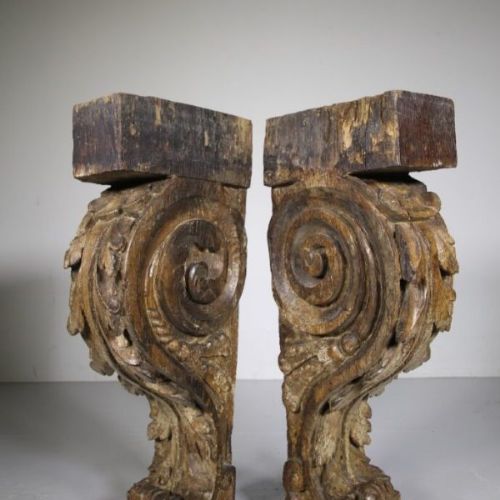


Brown Carved Corbel
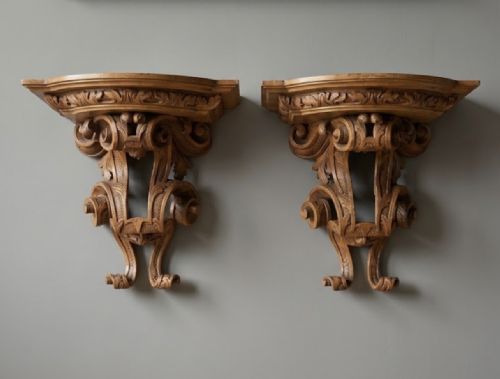
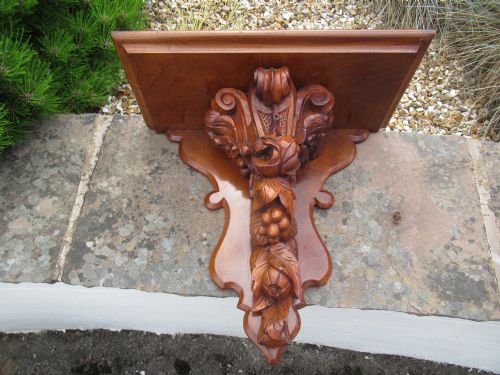
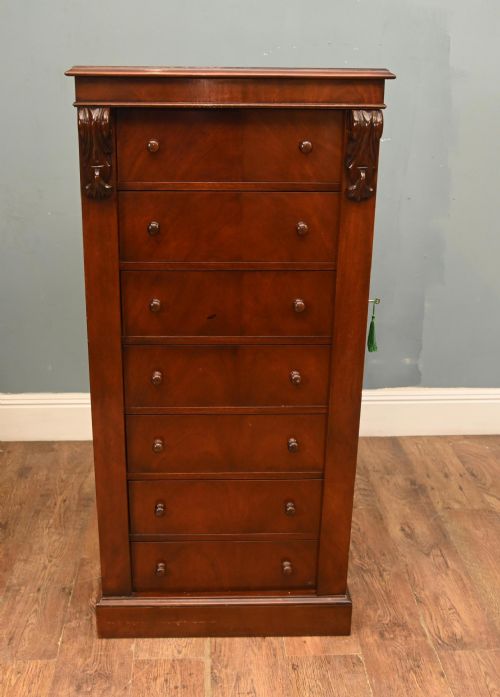
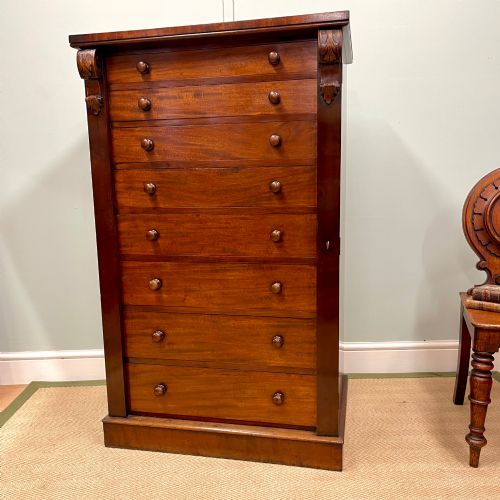
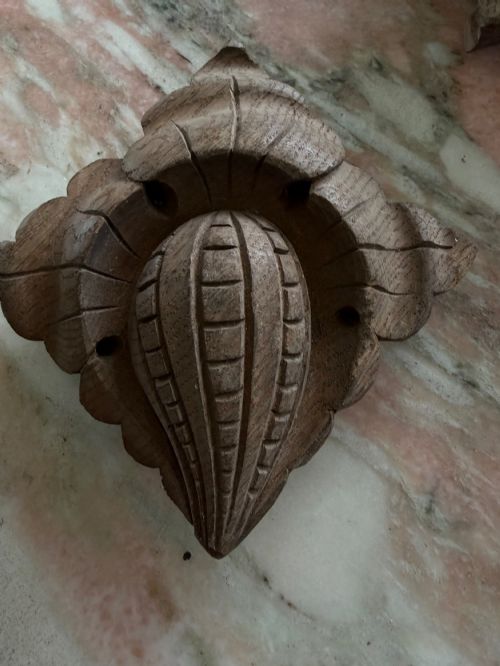
These brown carved corbel pieces are solid timber architectural supports and decorative wall brackets that bring historic character to an interior.
Brown Carved Corbel
When you search for a brown carved corbel, you are looking at structural or decorative architectural elements shaped from timber, often found paired as wall brackets or sculptural supports.
The selections available here span several centuries, featuring pieces originating from the seventeenth century through to the Victorian era and the year 1900.
You will encounter forms that range from architectural salvage and wall brackets to specific wood carvings and figurative wall sculptures reflecting Baroque, Georgian, and Black Forest styles.
Materials and construction methods
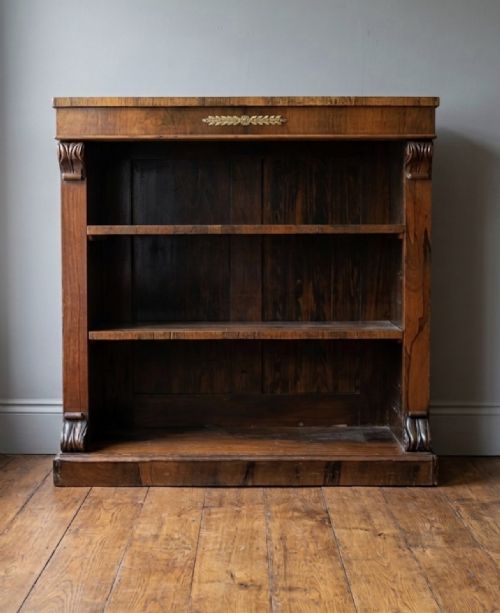
These items rely on traditional hardwoods such as oak, walnut, mahogany, lime, and pine, occasionally enhanced with rosewood veneer or brass details.
Craftsmen utilised hand-carving techniques to shape complex figurative designs, cherubs, caryatids, and animal heads directly from solid timber blocks.
Listings for this phrase feature walnut, oak, and mahogany pieces spanning from the seventeenth century through the Victorian period.
Assessing quality and craftsmanship
The standard of carving depth, the crispness of detail in facial expressions or foliage, and the natural grain of the timber determine the distinction between ordinary architectural salvage and masterworks.
Age and original context also influence the standing of a piece, with seventeenth-century examples exhibiting distinct tool marks and patination compared to later Victorian interpretations.
The Brown Carved Corbel Glossary
- Corbel
- A structural member projecting from a wall to support a weight inside or out. They often double as decorative brackets in historic interiors.
- Caryatid
- A sculpted female figure serving as an architectural support taking the place of a column or a pillar. These figures appear frequently in seventeenth-century woodwork.
- Black Forest style
- A nineteenth-century carving movement known for realistic depictions of animals and natural forms, typically rendered in deep brown walnut.
- Ceiling boss
- A decorative knob or central keystonelike projection found in ceilings and vaulting. These panels highlight intricate historic wood carving techniques.
Brown Carved Corbel: Frequently Asked Questions
How were corbels originally used?
Corbels served primarily as load-bearing architectural supports for beams, mantelpieces, and balconies in historic buildings.
Over time, craftsmen also created smaller versions purely for decorative wall display or to hold heavy books and ornaments.
Where should I mount a wall bracket?
Mount these brackets securely into wall studs using appropriate fixings to support their substantial timber weight.
Position them at eye level in hallways or living spaces to display small sculptures, clocks, or trailing plants effectively.
How do I identify seventeenth-century wood?
Seventeenth-century pieces typically feature heavy, dense oak with hand-hewn tool marks visible on the reverse surfaces.
The patination should show deep oxidation and dry wax accumulation developed over centuries of handling.
Can these support heavy shelves?
Solid hardwood corbels possess the structural integrity required to support heavy timber shelving if anchored correctly.
You must verify the structural condition of the antique timber before trusting it with significant loads.