



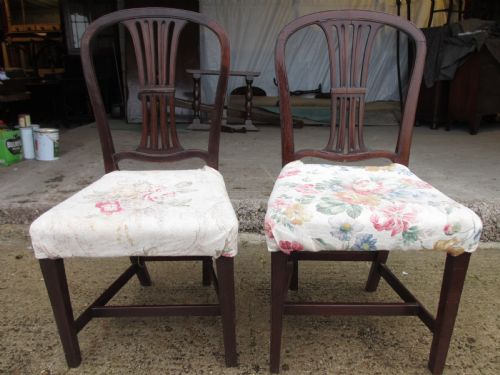


Georgian Vase Back Chairs
Georgian vase back chairs bring architectural line and rich walnut or mahogany timber to a room, offering enduring seating with a distinctive pierced splat.
Georgian Vase Back Chairs
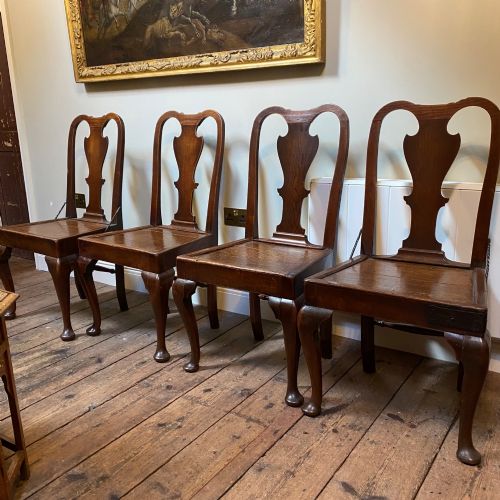
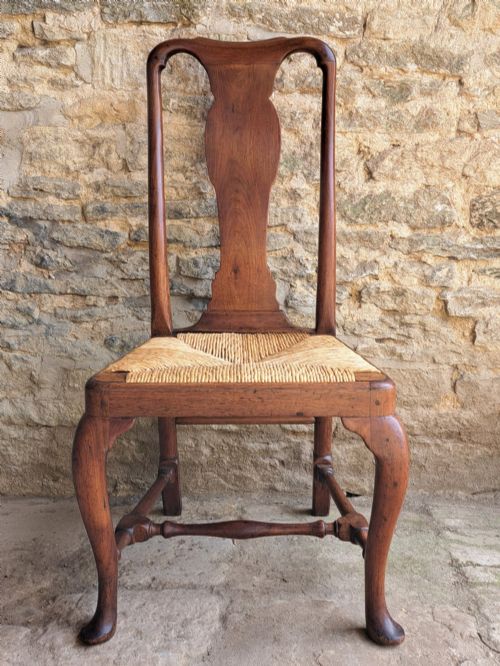
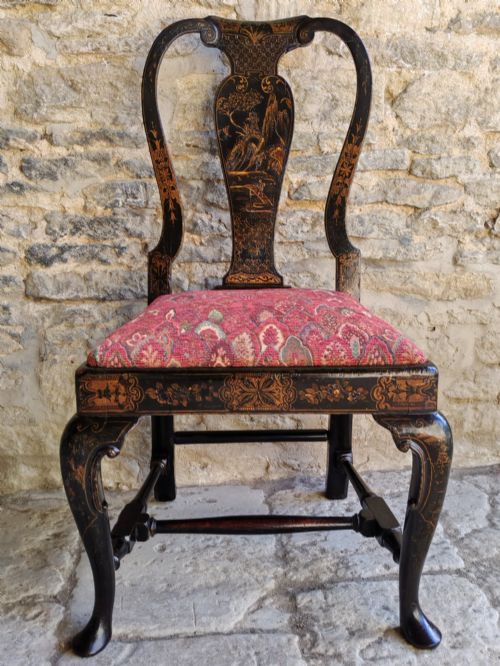
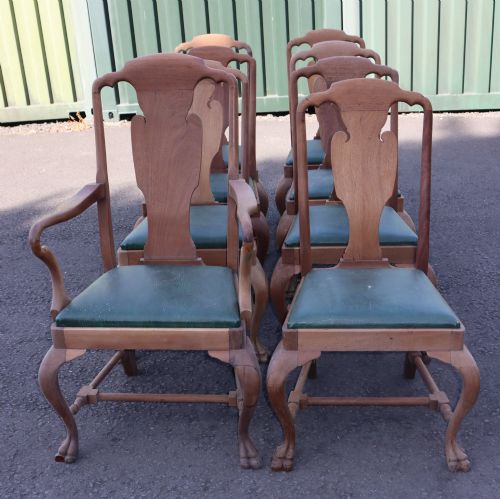
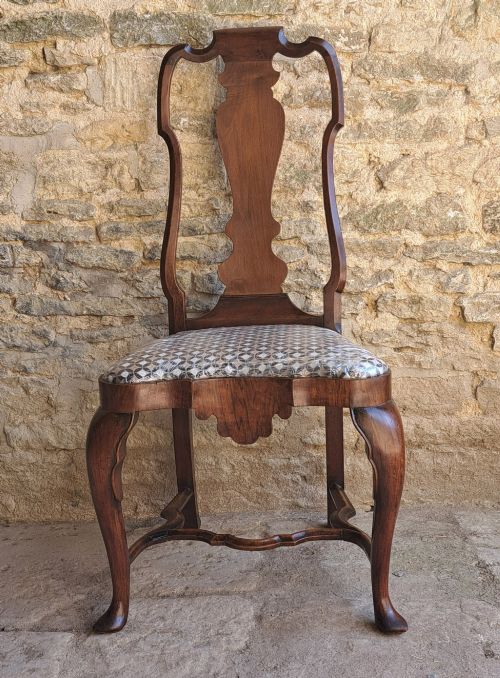
When buyers search for georgian vase back chairs, they encounter seating defined by a central vase-shaped splat supporting the top rail. The selection includes dining chairs, side chairs, carver chairs, and occasional settees spanning the eighteenth century and subsequent revival periods.
Most examples found here date from the eighteenth century or belong to later revival eras such as the early twentieth century. Woods span walnut, mahogany, and oak, often paired with drop-in seats upholstered in fabric, leather, or rush.
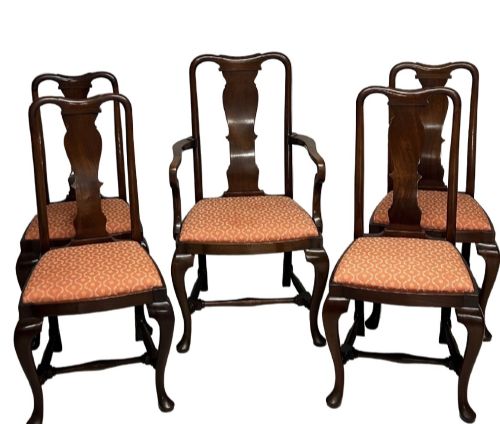
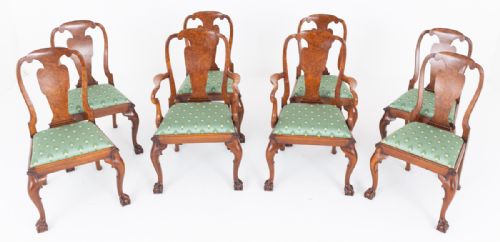
Formations range from single side chairs to extensive dining sets of eight or twelve pieces, alongside occasional pairs and double chair back sofas. The stylistic lineage covers Queen Anne, George I, and George II designs through to Victorian and early twentieth-century interpretations.
How they were made
Cabinetmakers constructed these frames primarily from solid mahogany, walnut, or oak, occasionally utilising burl veneers for figured surfaces on back splats and seat rails. Japanned wood and rush seating also appear in the record.
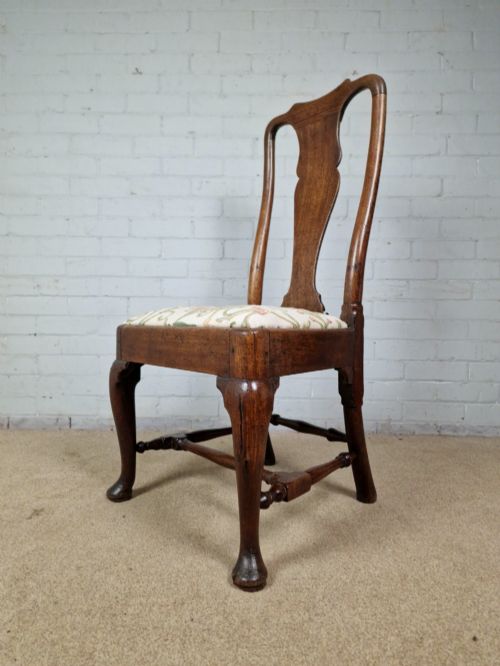
Joinery relied on mortise and tenon construction to secure the uprights, rails, and cabriole legs, while shaped splats were sawn and hand-carved from solid planks. Seats were typically constructed as drop-in frames padded with traditional stuffing and covered in textile or leather.
Georgian Vase Back Chairs Retail Price Guide 2026
Typical asking prices for georgian vase back chairs among the pieces listed under this phrase on Sellingantiques today, from the lower quarter to the upper quarter. They describe what is for sale here now, not the wider market.
Several sets include a mix of standard side chairs and carvers, ensuring the head of the table sits in proper authority.
What varies in quality
Quality rests upon the crispness of the hand-carving on the splat and knees, alongside the integrity of the timber selection and figure. Superior examples display harmonious proportions and seamless integration of the cabriole leg into the seat rail.
The degree of original surface patination and the retention of early frame construction distinguish finer pieces from later replacements or heavily restored alternatives. Consistency across a matched set further elevates the standing of a group.
The Georgian Vase Back Chairs Glossary
- Vase splat
- The central vertical wooden element of the backrest shaped like a classical vase. This silhouette provides structural support while defining the stylistic period of the seating.
- Cabriole leg
- A furniture leg that curves outward at the knee and tapers inward toward the foot, typical of eighteenth-century design. It often terminates in a pad or hoof foot.
- Drop-in seat
- A removable wooden frame upholstered separately and dropped into the seat rail rebate. This allows for straightforward reupholstery without disturbing the structural joinery.
- Japanned wood
- European wood finished with Oriental-style varnishes and raised metallic decorations. It reflects the eighteenth-century enthusiasm for Asian lacquerwork.
- Carver chair
- An armchair designed to match a set of dining side chairs, usually placed at the head of a table. These feature open arms attached to the seat rail and back uprights.
Georgian Vase Back Chairs: Frequently Asked Questions
What is a vase back chair?
A vase back chair is a seating form featuring a central wooden splat shaped like a vase, supporting a curved top rail.
This design evolved during the early eighteenth century and remains a staple of traditional dining and side seating.
How do I spot a revival piece?
Revival pieces date from periods like the Victorian era or the early twentieth century, emulating eighteenth-century styles.
Examination of timber ageing, tool marks, and secondary woods helps differentiate these later interpretations from period originals.
Were these chairs used for dining?
These pieces served primarily as formal dining chairs, side chairs, or desk chairs in domestic interiors.
Sets often included armchairs, known as carvers, designated for the head of the dining table.
How should I care for walnut wood?
Walnut frames benefit from stable indoor humidity levels away from direct heat sources and sunlight.
Periodic application of appropriate wax polish maintains the lustre of the timber surface without buildup.