
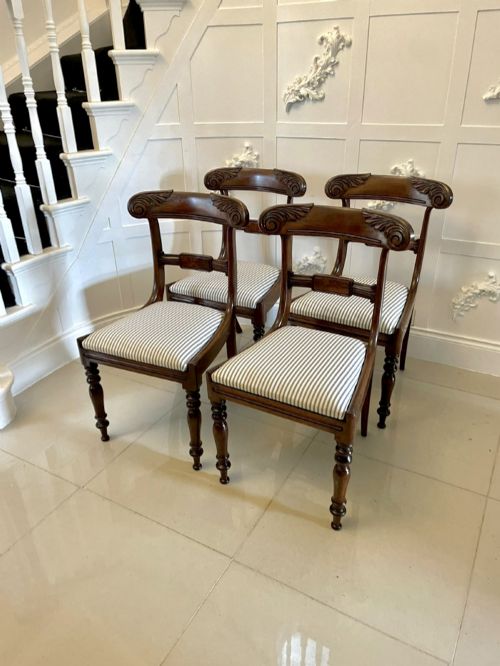
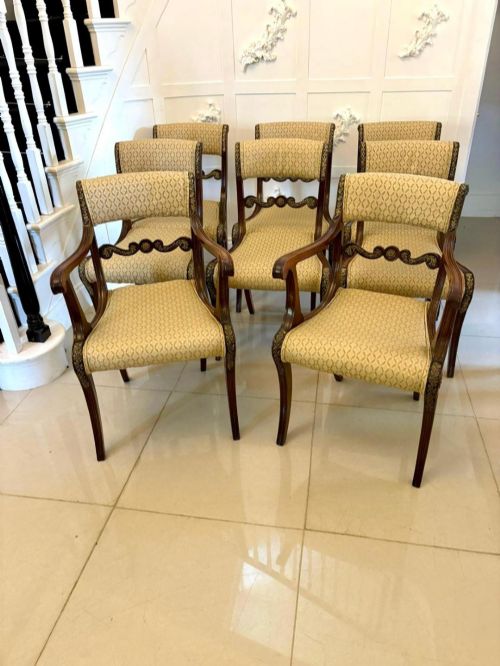
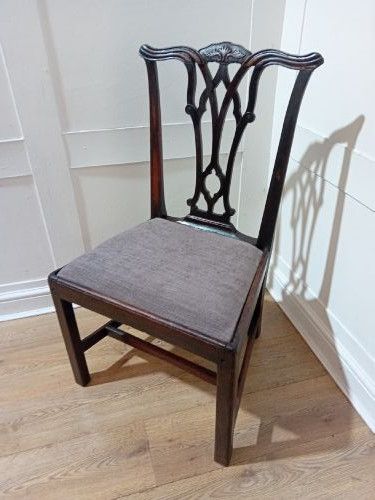


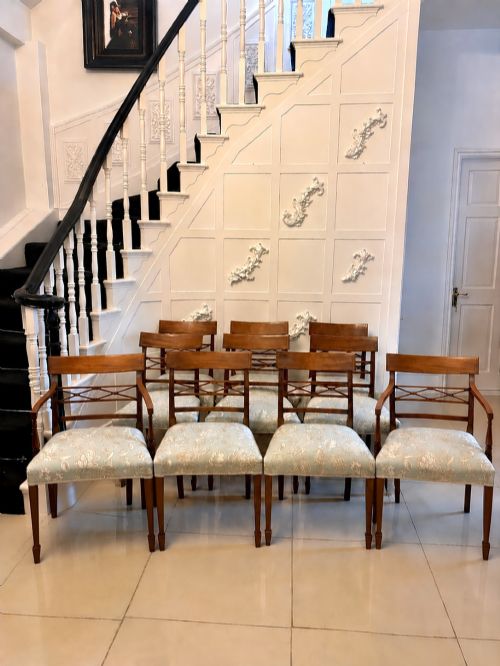
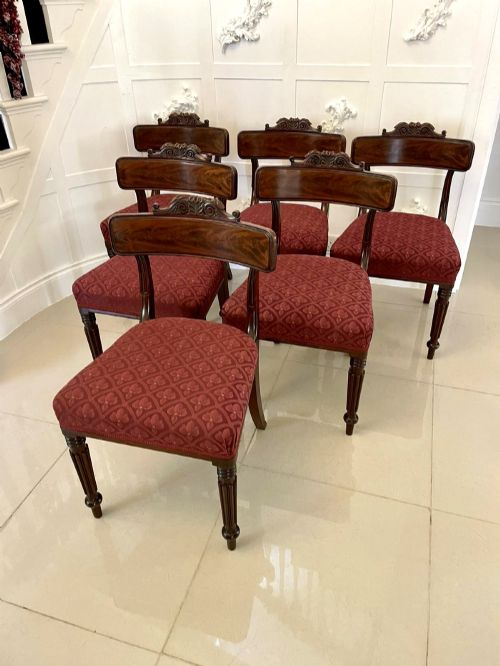
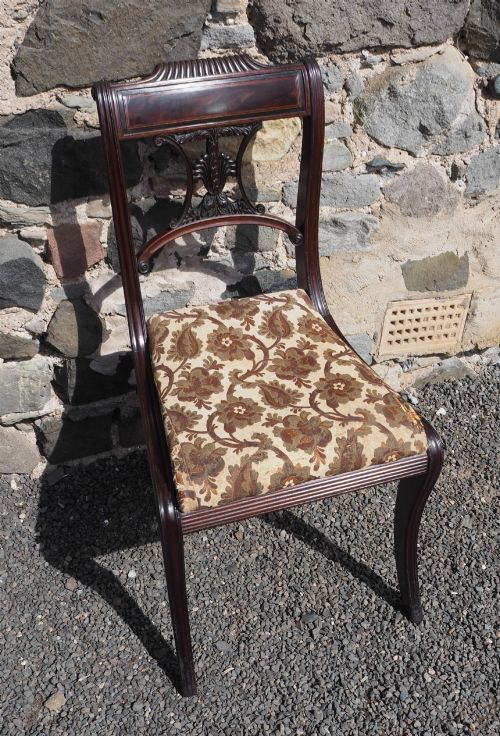
Georgian Upholstered Side Chair
A georgian upholstered side chair combines formal restraint with domestic comfort, offering a practical seat that anchors a traditional room.
Georgian Upholstered Side Chair
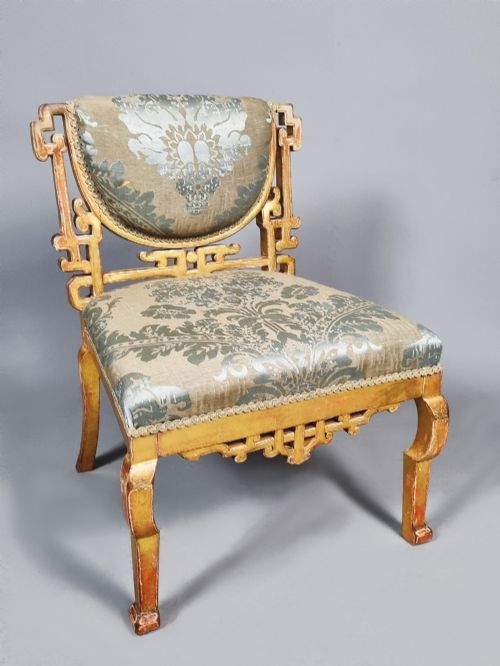
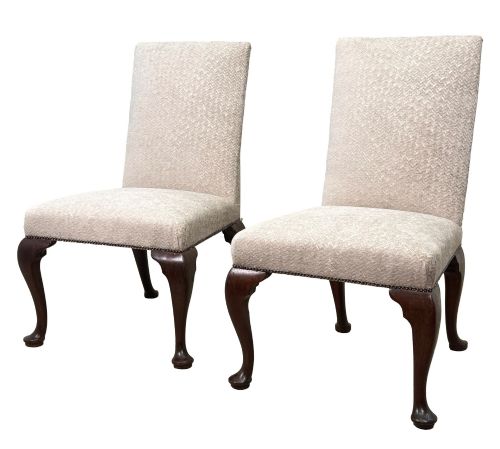
A georgian upholstered side chair is a compact, armless seat designed for dining or occasional use, appearing across the eighteenth century and subsequent revival periods. These pieces serve as functional seating around a table or positioned against a wall when not in use.
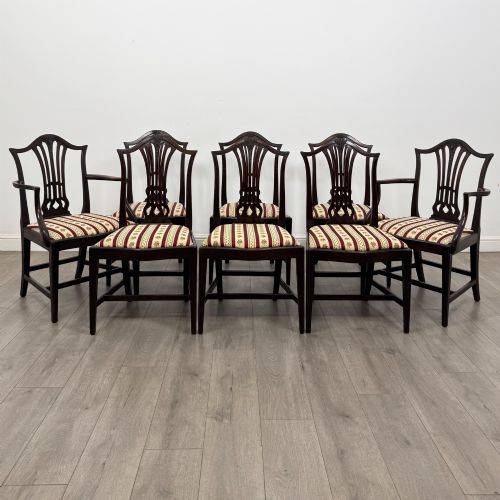
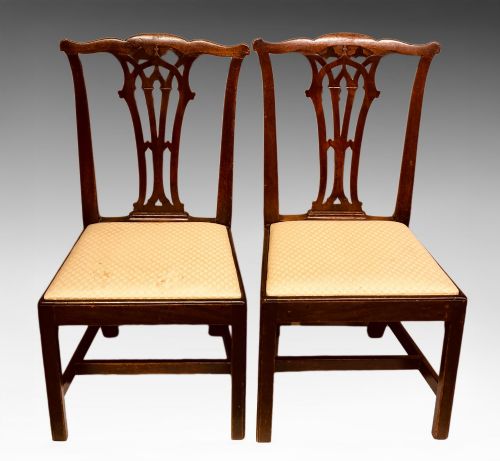
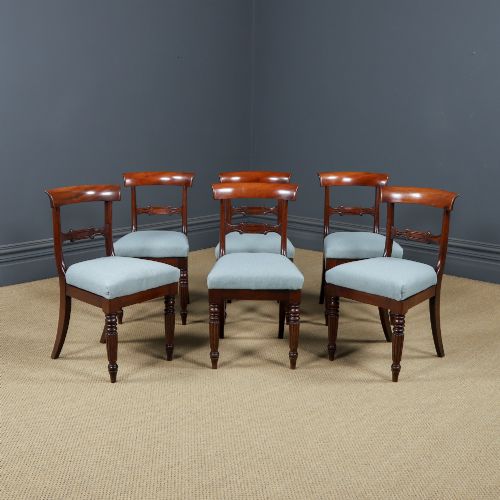
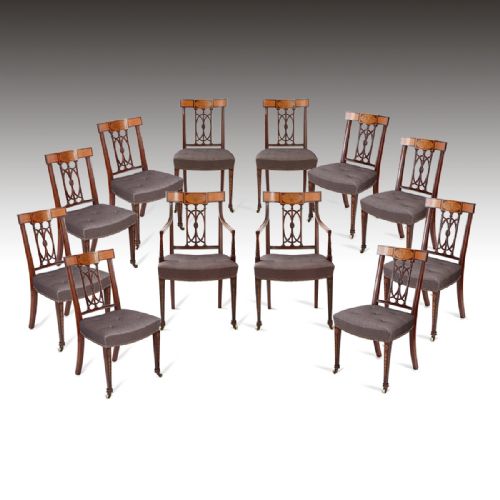
The selections span early eighteenth-century walnut examples through to George III mahogany forms and later nineteenth-century interpretations. Most specimens meet the eye as single pieces, pairs, or larger matched sets intended for formal dining rooms.
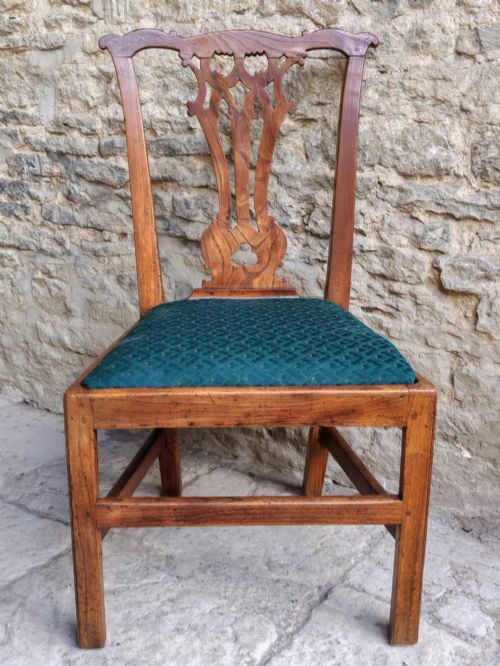
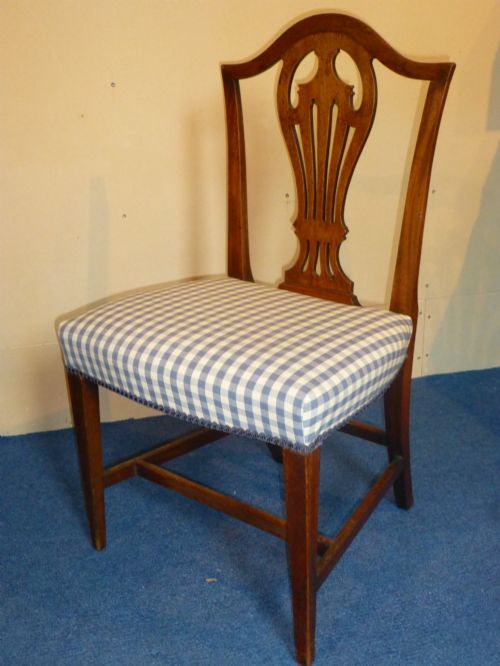
Origins range from English urban workshops to regional makers utilising local timbers like elm, fruitwood, and oak. Surviving examples often display the stylistic hallmarks of Chippendale, Hepplewhite, or Sheraton designs adapted for daily domestic life.
How They Were Made
Cabinetmakers relied heavily on dense hardwoods such as mahogany, walnut, and elm for structural frames, employing mortise and tenon joinery to ensure rigidity under daily use. Secondary timbers like beech frequently appear in internal framing or country variations.
Upholstery techniques evolved from foundational webbing and horsehair stuffing secured with iron tacks to modern textile applications, paired with decorative elements like brass nails or inlaid details.
Carved ornament on splats, rails, and legs was executed by hand, utilising techniques ranging from low relief fluting to elaborate rococo or neoclassical motifs.
The inventory records chair forms spanning the early eighteenth century through the nineteenth century, including numerous revival periods.
What Varies in Quality
The refinement of carving on the back splat and the proportion of the legs separate standard workshop production from exceptional commissions. Crisp execution of motifs like wheat ears, ribbons, or shell carvings indicates superior craftsmanship.
The integrity of the timber selection and the retention of original framing components dictate structural durability. Pieces retaining their early subframes demonstrate greater historical authenticity than those subjected to extensive timber replacement.
Gillows
The Georgian Upholstered Side Chair Glossary
- Splat
- The vertical central strip of wood in the back of a chair. It receives shaping and carving to define the aesthetic style.
- Cabriole leg
- A furniture leg that curves outward and then tapers inward, typically ending in a pad or claw foot. This form draws inspiration from animal limbs.
- Shield back
- A chair back shaped like a heraldic shield, popularised during the late eighteenth century by designers like Hepplewhite. It provides an expansive surface for carved decoration.
- Bar back
- A horizontal cross-bar integrated into the upper or central portion of a chair back. This feature appears frequently in Regency and William IV designs.
- Drop-in seat
- A removable wooden frame upholstered separately and dropped into the seat rail rebate. This construction method allows for straightforward reupholstery.
Georgian Upholstered Side Chair: Frequently Asked Questions
How do I date a Georgian chair?
Dating relies on observing stylistic evolution, timber choice, and construction methods. Earlier pieces often feature walnut with cabriole legs, whereas later eighteenth-century examples favour mahogany with straight or tapered supports.
Secondary woods and tool marks visible beneath the upholstery webbing also provide clues to the period of manufacture. Comparing the back splat design to known pattern books helps narrow the decade of origin.
Were these chairs used for dining?
These pieces served primarily as formal seating around dining tables, though their versatility allowed placement in hallways, bedrooms, or libraries. Their armless design permitted multiple chairs to fit compactly beneath a table.
Wealthy households maintained large sets specifically for dining occasions, while smaller sets or single chairs functioned as occasional seating in private chambers.
Can I use these chairs daily?
Solid hardwood construction makes these chairs robust enough for regular use, provided the frame joints remain tight and secure. Periodic checks of the internal framing prevent structural loosening over time.
Modern users often pair historical frames with durable contemporary textiles to withstand everyday wear while preserving the underlying timber.