


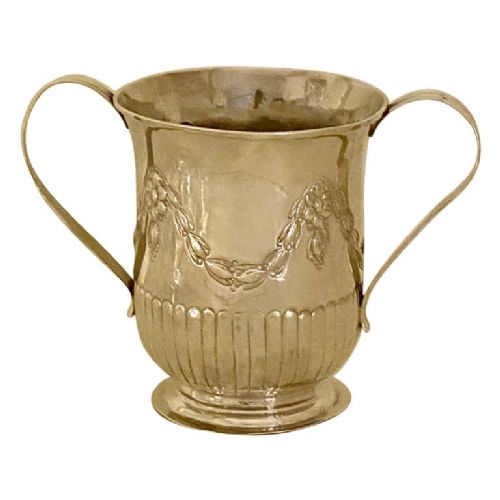

Georgian Two Handled Cup
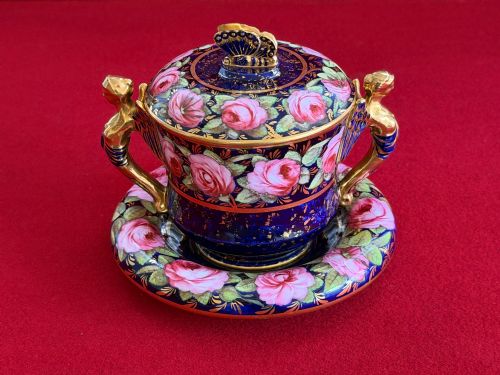
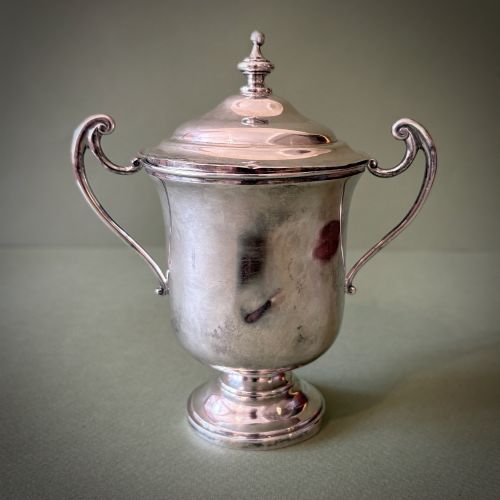
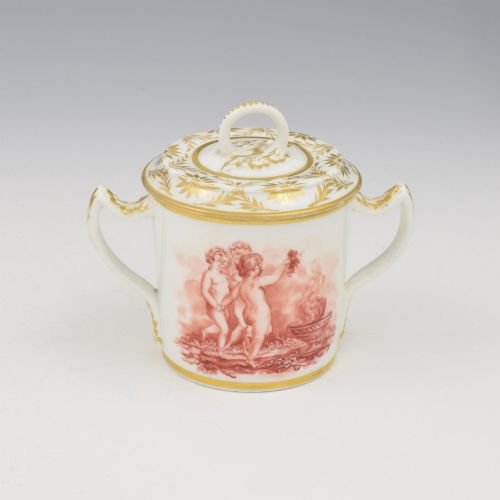
A georgian two handled cup carries the weight of a formal toast, shifting easily from silver trophy to porcelain chocolate vessel.
Georgian Two Handled Cup
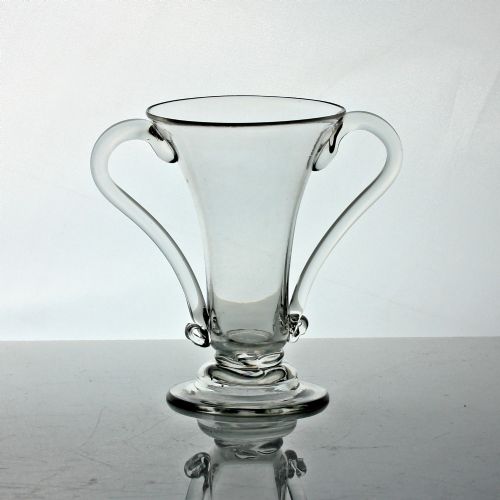
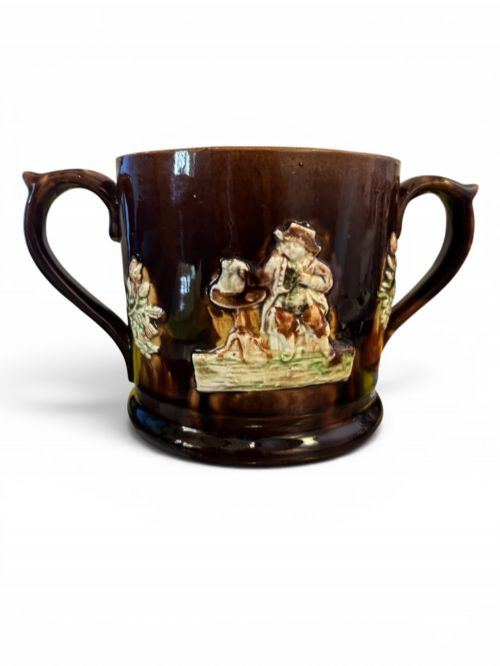
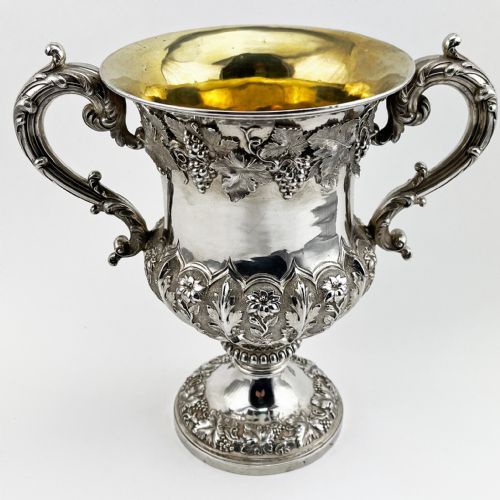
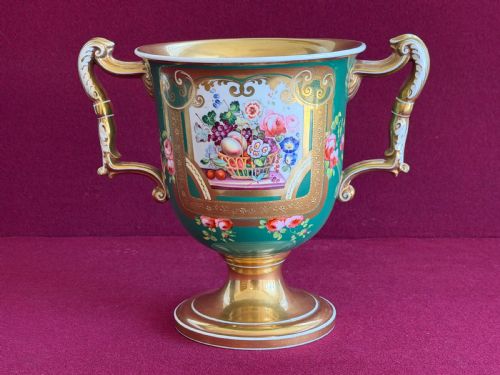
A georgian two handled cup encompasses versatile drinking vessels designed for shared toasts, festive ales, and formal displays. Buyers encounter these forms primarily as sterling silver trophies, loving cups, and porcelain chocolate vessels originating from the eighteenth and nineteenth centuries.
Makers utilised distinct regional styles across England, Ireland, and America to shape these drinking vessels. The surviving pieces bridge utilitarian tavern drinking and grand civic presentation.
Materials and construction
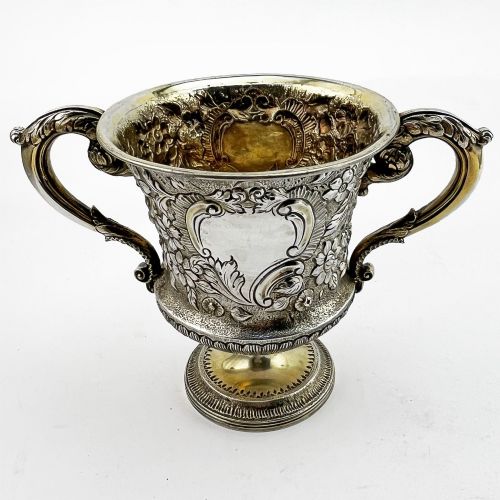
Silversmiths constructed sterling silver and Old Sheffield plated vessels using heavy gauge metals, often hammering and chasing intricate floral motifs onto the body. Porters and potters shaped earthenware, pearlware, and porcelain bodies before hand painting botanical or figural details.
Handle attachment required careful soldering or ceramic bonding to support the weight of the filled vessel. Gilt interiors frequently complemented sterling silver exteriors to prevent metallic tastes during drinking.
Listings span the eighteenth and nineteenth centuries, incorporating sterling silver, porcelain, pearlware, and Old Sheffield plate.
Assessing craftsmanship and finish
Quality rests upon the crispness of the chased decoration, the symmetry of the cast handles, and the weight of the metal or ceramic body. Superior silver pieces maintain clear hallmarks and heavy gauges, whereas finer porcelains exhibit delicate hand painted enamel and gilt highlights.
Proportion dictates the elegance of the campana form or porringer, distinguishing master silversmith work from standard workshop production. Surviving covers and liners significantly elevate the integrity of the piece.
Spode·Bloor Derby·H & R Daniel·Richard Gurney·Thomas Sutton·Barnard
The Georgian Two Handled Cup Glossary
- Campana form
- A bell-shaped vessel with a flaring rim and a footed base. This classic neoclassical silhouette appears frequently on silver trophy cups.
- Loving cup
- A large drinking vessel equipped with two or three handles, designed for passing among guests at banquets and celebrations.
- Porringer
- A small, shallow bowl furnished with one or two horizontal flat handles. These domestic vessels served porridges, broths, and liquids.
- Old Sheffield plate
- A composite material formed by fusing a thin layer of silver onto a heavier copper core. It predates modern electroplating.
Georgian Two Handled Cup: Frequently Asked Questions
What were two handled cups used for?
These vessels served ceremonial functions, civic presentations, and communal drinking during banquets and weddings. Guests passed the multi-handled cups around the table to share ales, wines, or spiced drinks.
Domestic versions also held chocolate or broths for individuals. Their dual handles provided stability for heavy silver or ceramic bodies during sharing.
How do I date a silver cup?
English silver relies on hallmarking systems that include maker marks, standard marks, and date letters stamped directly into the metal. Consulting assay office records reveals the exact year of manufacture.
Stylistic shifts, such as the move from plain George II bodies to heavily chased Regency campana forms, also help narrow down the period.
Are porcelain cups safe for use?
While historic porcelain and earthenware remain structurally sound, antique glaze compositions and overglaze enamels may degrade over centuries. Most collectors treat these fragile items as decorative display pieces rather than functional tableware.
Friction from modern dishwashers or hot liquids can damage delicate hand-painted enamels and gold leaf.