

Georgian Turned Wood
Georgian turned wood objects bring domestic warmth and architectural symmetry to a room through skilled lathe work on native and imported timbers.
Georgian Turned Wood
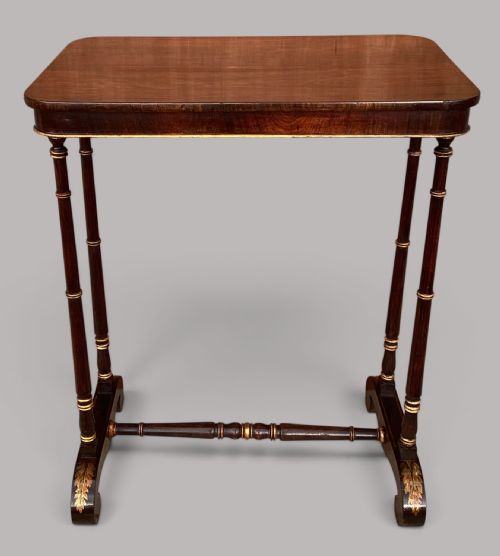
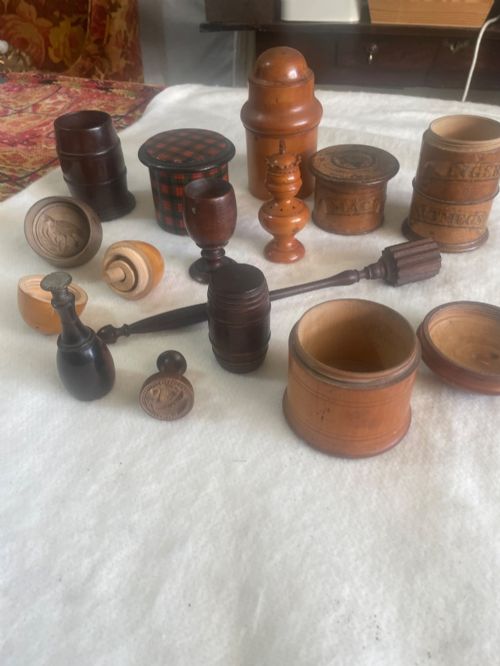
When you search for georgian turned wood, you encounter utilitarian and decorative items shaped on a lathe during the eighteenth and early nineteenth centuries. These pieces encompass candlesticks, occasional tables, salt cellars, and wig stands produced across the Georgian and Regency periods.
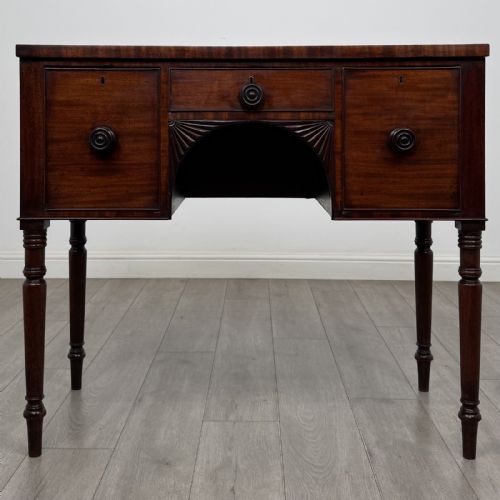
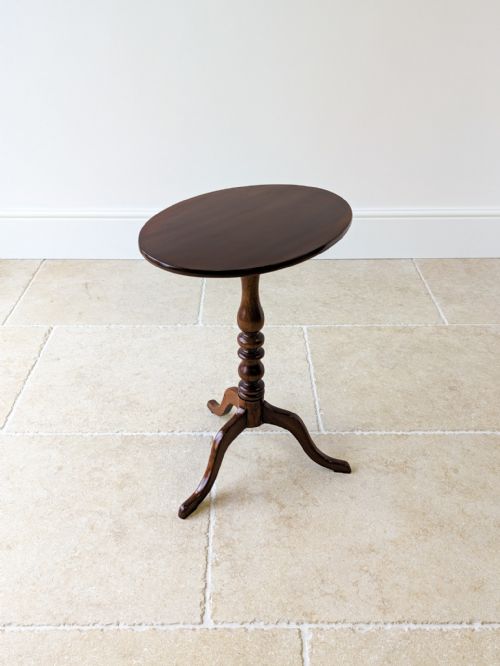
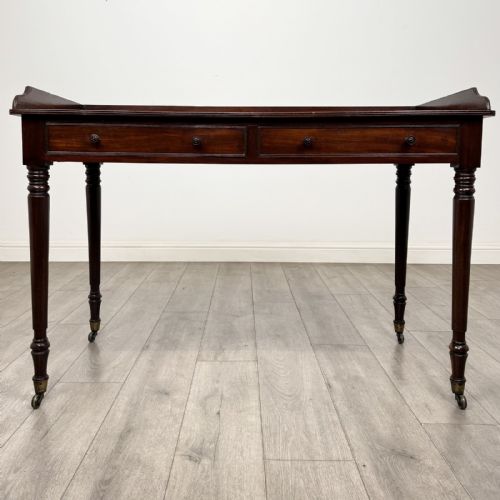
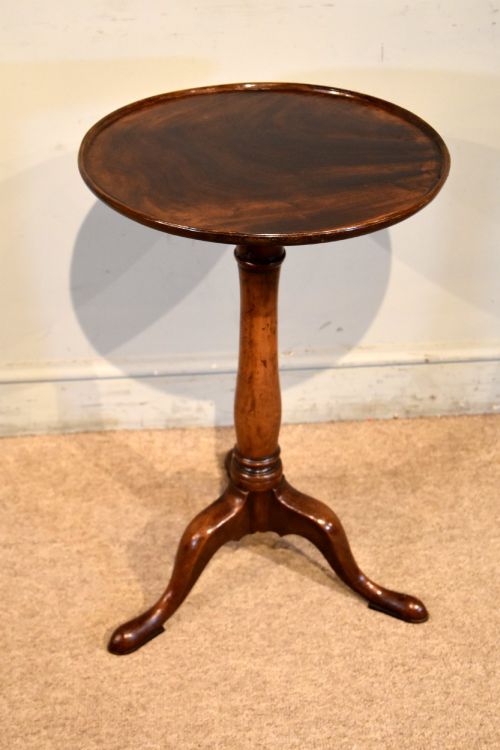
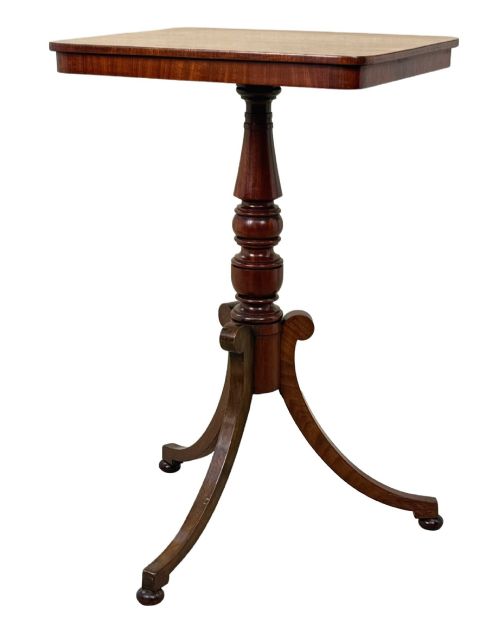
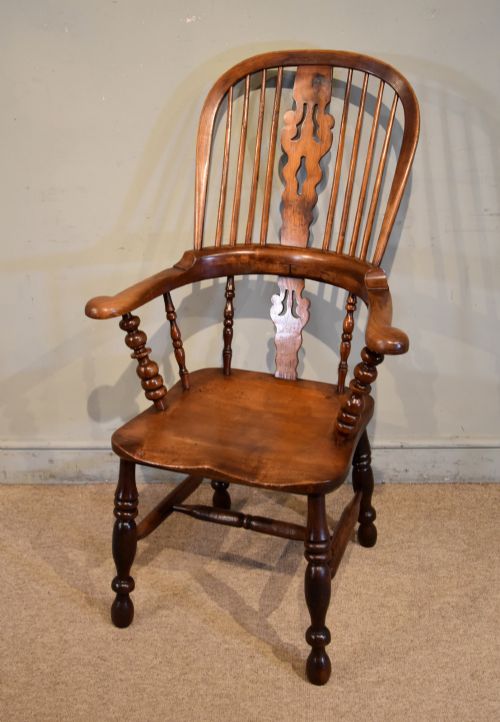
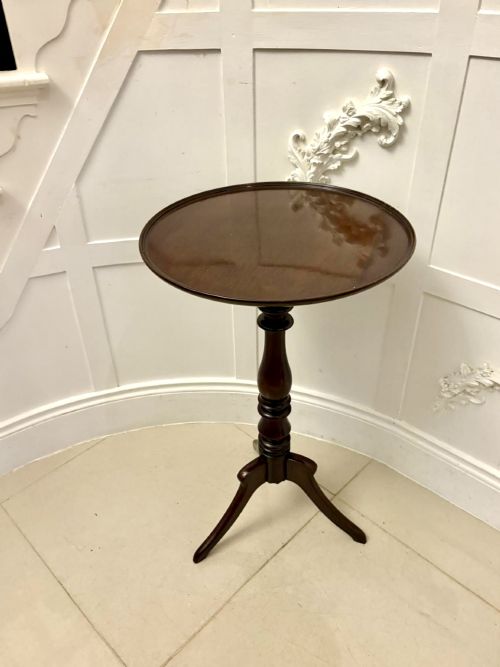
The items most frequently met on this page include mahogany wine tables, tripod lamp tables, and yew wood or oak stands. Their construction relies on turned central pillars, baluster legs, and spindle supports rather than heavy carving or flat panels.
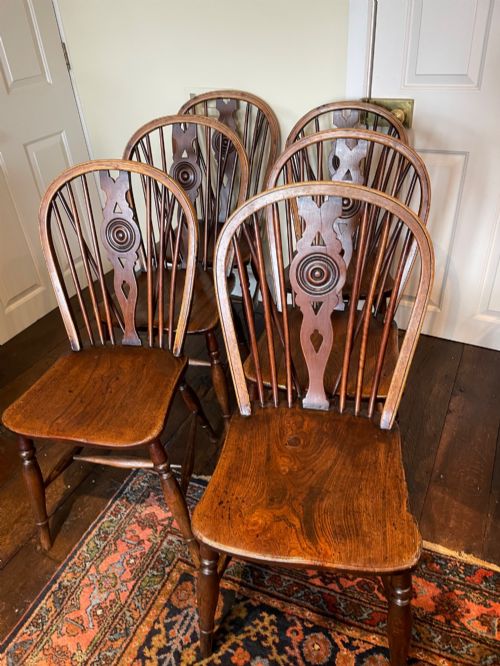
Makers of this era utilised local hardwoods alongside imported dense timbers to create stable domestic furnishings. The resulting forms range from simple country house Windsor armchairs with turned spindles to refined occasional tables featuring delicate baluster legs.
Distinctions in Quality
The distinction between standard utility items and the top of the range rests upon the crispness of the lathe turning and the selection of the timber. Superior pieces exhibit deeply undercut mouldings, well-balanced proportions, and tight grain alignment that stabilises the slender turned components over centuries.
Another measure of quality lies in the integrity of the joinery where turned legs meet table tops or seat bases. Better examples employ integrated tenons and precise pegging rather than surface adhesives, ensuring that the structural framework resists wobble during daily domestic use.
Georgian Turned Wood Retail Price Guide 2026
Typical asking prices for georgian turned wood among the pieces listed under this phrase on Sellingantiques today, from the lower quarter to the upper quarter. They describe what is for sale here now, not the wider market.
Listings here feature mahogany, yew wood, elm, and oak across occasional tables, candlesticks, and Windsor armchairs spanning the Georgian and Regency eras.
Miles and Edwards·Druce and Co
The Georgian Turned Wood Glossary
- Baluster
- A moulded shaft or pillar, typically swelling in the lower portion, shaped on a lathe to support a tabletop, armrest, or rail.
- Tripod Table
- A small occasional table supported by a central turned pillar resting on three curving legs, popular throughout the Georgian era for tea or wine service.
- Treen
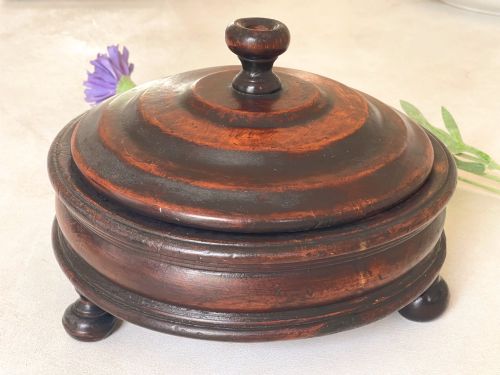
- Small handmade wooden domestic objects, such as turned salts, bowls, and candlesticks, valued for their tactile surfaces and utilitarian function.
- Tilt-Top
- A table mechanism featuring a hinged top that pivots vertically, allowing the piece to stand flat against a wall when not in use during the evening.
- Wig Stand
- A small turned wooden pedestal designed to hold and display gentleman's wigs in an 18th-century dressing room.
Georgian Turned Wood: Frequently Asked Questions
What are georgian turned wood items?
These pieces comprise furniture and small household objects shaped on a lathe during the 18th and early 19th centuries.
They include candlesticks, wine tables, candlesticks, and Windsor chairs featuring characteristic turned pillars and spindle legs.
How were these wooden items used?
They served practical functions in domestic interiors, from holding tea trays and candles to seating guests around the hearth.
Smaller turned objects like salts and wig stands occupied dining tables and dressing rooms for daily household administration.
How do I live with georgian turned wood?
These items integrate easily into modern interiors as bedside tables, lamp stands, or accent pieces alongside contemporary furnishings.
Keep them away from direct heat sources and sudden humidity changes to protect the historic timber and traditional joinery.
How do I tell the periods apart?
Earlier pieces from the mid-18th century often utilise native timbers like oak and yew with robust, straightforward lathe profiles.
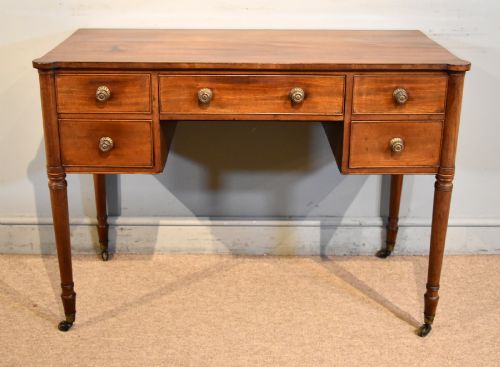
Later Regency and 19th-century examples frequently feature dense mahogany or rosewood with refined reeding and brass castors.