


Georgian Triptych Mirror
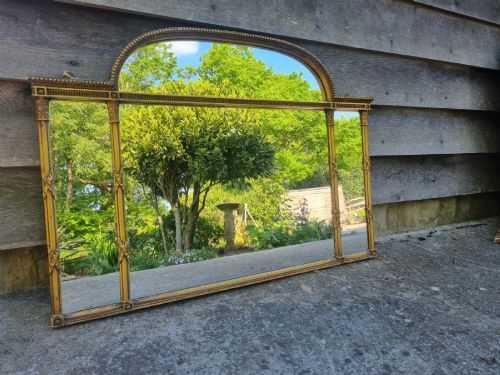
These Georgian triptych mirror examples are tripartite glass plates set into gilded and carved frames, bringing architectural breadth to a room.
Georgian Triptych Mirror
A georgian triptych mirror divides a single wide expanse into three distinct panels, most frequently taking the form of an overmantel mirror designed to sit above a fireplace. The selection here draws heavily from the Regency era, featuring tripartite formats framed in giltwood or gesso.
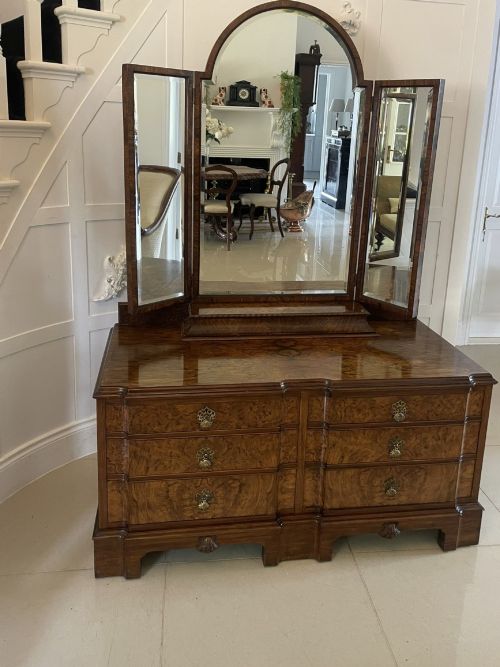
Beyond the standard overmantel pieces, the listings extend to landscape mirrors and dressing tables incorporating burr walnut. These objects share a horizontal emphasis, using divided glass plates to reflect maximum light across an interior.
Most pieces seen here belong to the nineteenth century, including specific Regency and late Georgian iterations alongside revival styles such as Queen Anne and Irish Rococo. The forms range from neat-sized examples to large overmantels adorned with carved columns and figurative details.
How they were made
Makers constructed the frames using wood, gesso, and giltwood, applying thin layers of gold leaf over prepared plaster grounds. Carved wooden elements, acanthus decorations, and occasionally ebonised wood or brass details defined the outer structure.
The tripartite glass plates required careful setting into sectional rabbets to form the triptych layout. Finish details on the gesso and carved surfaces involved intricate moulding, white paint, or gilding to achieve the bright reflective facade.
Materials recorded across the inventory include glass, giltwood, gesso, ebonised wood, burr walnut, and brass.
What varies in quality
The refinement of the carved ornamentation sets the upper tier apart, particularly where workshops incorporated specific motifs like Ho Ho birds, squirrels, or acanthus-decorated columns. Simpler mouldings occupy the baseline, lacking the depth of hand-carved relief found on superior frames.
Surface treatment dictates the visual success of the piece, with well-preserved gilding retaining crisp highlights against the gesso ground. The handling of the tripartite glass division and the proportion of the frame relative to the glass panes also determine the distinction of the object.
The Georgian Triptych Mirror Glossary
- Triptych mirror
- A looking glass divided into three separate panels, usually arranged horizontally within a shared frame. This layout creates a panoramic reflection across wide wall spaces.
- Giltwood
- Timber that has been coated with a thin layer of gold leaf. It provides the bright, metallic finish characteristic of these frames.
- Gesso
- A plaster mixture applied to wood frames as a smooth base for gilding and carving. It allows crisp, detailed ornamentation to be modelled before the gold leaf is laid.
- Overmantel mirror
- A large horizontal looking glass designed specifically to hang on the wall above a fireplace mantel. These pieces anchor the visual weight of a chimney breast.
- Acanthus
- A classical carved leaf ornament frequently used to decorate furniture and mirror frames. It appears in scrolling patterns along the architectural mouldings.
Georgian Triptych Mirror: Frequently Asked Questions
Where should I hang a triptych mirror?
These mirrors traditionally hang above a fireplace mantelpiece, where their horizontal format matches the width of the hearth. They also function effectively along long drawing room walls to bounce light across the interior.
Ensure the wall fixings match the substantial weight of the timber and gesso construction. Positioning the glass at the correct height ensures optimal reflection of the room.
How do I identify a Regency period mirror?
Regency mirrors often feature classical architectural elements such as columns, acanthus leaves, and ball-decorated cornices. The giltwood frames tend to emphasise symmetry and bold, clean proportions.
Looking closely at the construction of the wood and the formulation of the gesso helps confirm the nineteenth-century origins of the piece.
What is the difference between an overmantel and a landscape mirror?
An overmantel mirror is specifically proportioned to sit above a fireplace, often featuring architectural detailing designed to anchor a chimney breast. A landscape mirror generalises this wide, horizontal format for placement on any unbroken wall.
Both forms utilise multiple glass sections, but the overmantel traditionally commands a more dominant architectural presence in the room.
How do I care for antique giltwood?
Dust the carved surfaces gently with a soft, dry brush to prevent the accumulation of dirt within the gesso crevices. Avoid using liquid cleaners or commercial polishes, which can strip or damage the delicate gold leaf.
Keeping the mirror away from direct sunlight and excessive moisture preserves the stability of the wood and the brilliance of the gilding.