





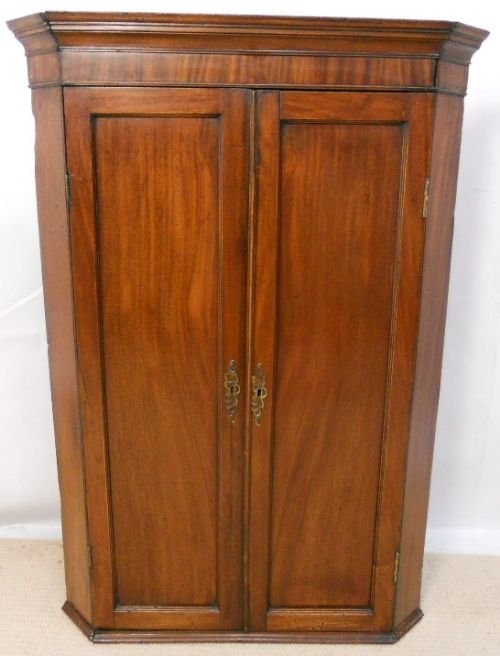
Georgian Timber Wall Cabinet
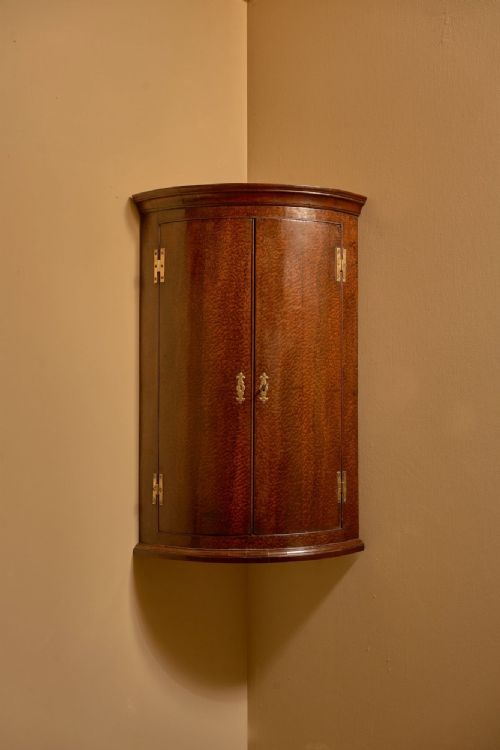
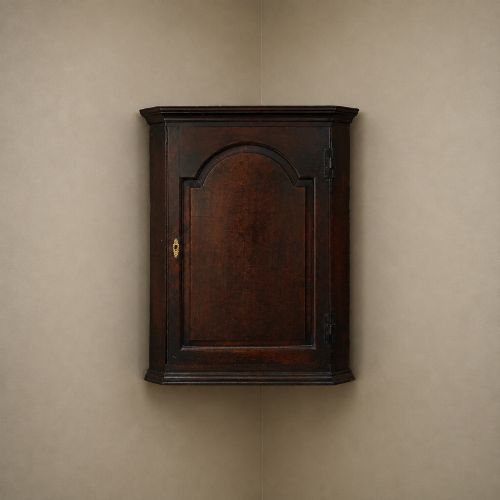
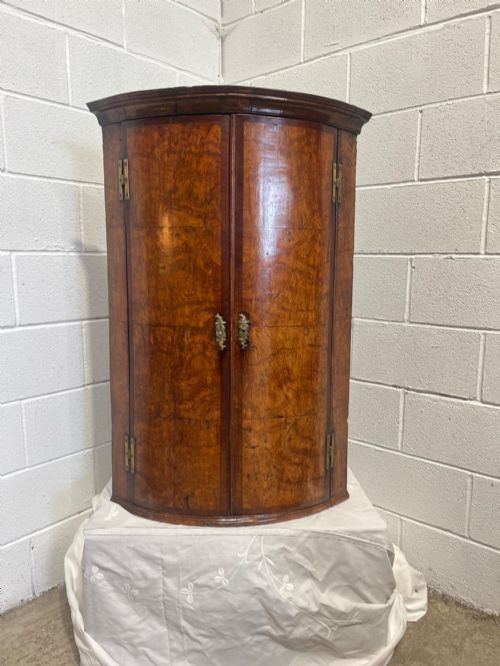
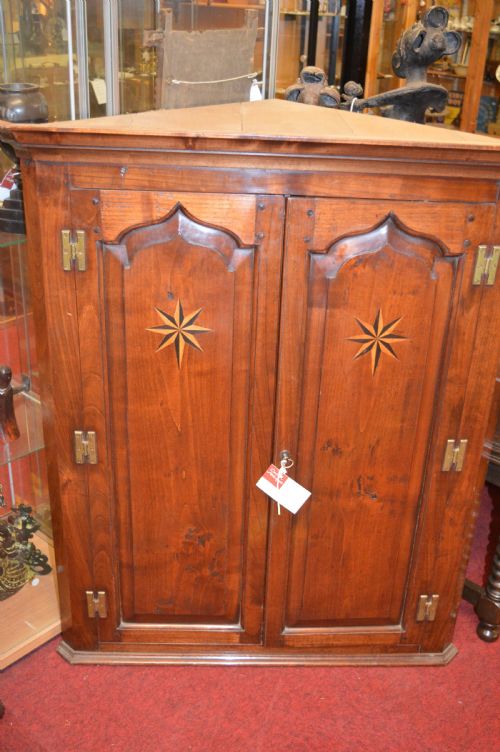
These georgian timber wall cabinet examples bring practical storage and period character to empty corners.
Georgian Timber Wall Cabinet
A georgian timber wall cabinet serves as a space-saving storage solution, designed to fit neatly into room corners while displaying or concealing household items.
The selections available here include corner cupboards, hanging display cabinets, and small wall-mounted storage pieces originating from the Georgian era through to later revivals.
Mahogany and oak dominate the forms, frequently paired with glazed doors, satinwood inlay, or painted finishes to suit both formal parlours and country settings.
Materials and construction
Cabinet makers utilised dense hardwoods like mahogany, oak, burr oak, fruitwood, and yew wood to build sturdy carcasses capable of wall suspension.
Decorative detailing relies on satinwood inlay, glass panels for display doors, and polished brass hinges or escutcheons.
Georgian Timber Wall Cabinet Retail Price Guide 2026
Typical asking prices for georgian timber wall cabinet among the pieces listed under this phrase on Sellingantiques today, from the lower quarter to the upper quarter. They describe what is for sale here now, not the wider market.
The listings span mahogany, oak, fruitwood, yew wood, burr oak, and satinwood across Georgian, nineteenth-century, and twentieth-century periods.
Quality variations
Refinement in timber selection distinguishes standard utility pieces from high-status examples, particularly where figured burr oak, yew wood, or contrasting satinwood inlay appear.
The sophistication of the joinery and the presence of original glazing and brass hardware determine the overall integrity of the piece.
The Georgian Timber Wall Cabinet Glossary
- Corner cupboard
- A specialised cabinet built with a triangular footprint designed to mount directly into the corner of a room. These forms maximise unused space while providing secure storage.
- Satinwood inlay
- A decorative technique involving contrasting lighter wood veneers set into the primary timber surface. This creates geometric or botanical patterns across the cabinet door and frieze.
- Glazed door
- A frame fitted with glass panes to allow the contents of the cabinet to be viewed. This feature is common on display cabinets intended for porcelain or glassware.
- Escutcheon
- A protective metal plate surrounding a keyhole, usually cast in brass. It prevents the wood around the lock from sustaining wear and tear during daily use.
Georgian Timber Wall Cabinet: Frequently Asked Questions
How do I hang a wall cabinet safely?
These cabinets mount directly to wall studs using heavy-duty brackets or internal fixing points suited to their substantial timber weight.
Professional installation ensures the cabinet supports the load of stored items without pulling away from the plaster.
Were these cabinets meant for corners?
Many examples are specifically constructed as corner cupboards to utilise awkward angles in smaller period rooms.
Flat-backed wall cabinets also exist for standard wall hanging, though triangular corner variants remain the most common format.
What woods were used in these cabinets?
Cabinet makers relied on durable timbers including mahogany, oak, fruitwood, and yew wood for the main structural carcass.
More decorative items incorporate burr oak veneers or satinwood inlay to provide visual contrast.
How do I identify a Georgian piece?
Dating relies on timber characteristics, construction methods, and stylistic details such as Chippendale or Sheraton influence.
Earlier examples often feature heavy oak or plain mahogany, while late eighteenth-century pieces display refined inlay and lighter proportions.