



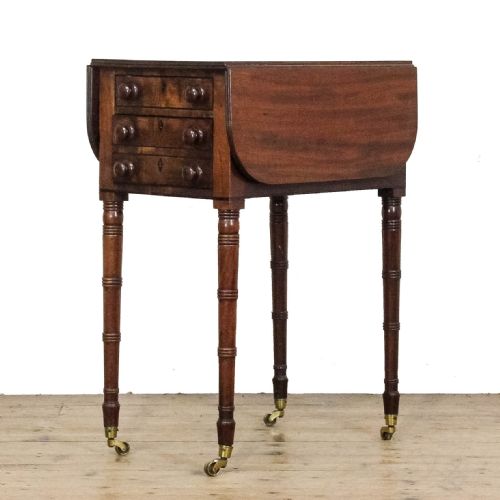


Georgian Timber Side Desk
A georgian timber side desk brings refined historic character to a room, offering practical surface space through traditional craftsmanship.
Georgian Timber Side Desk
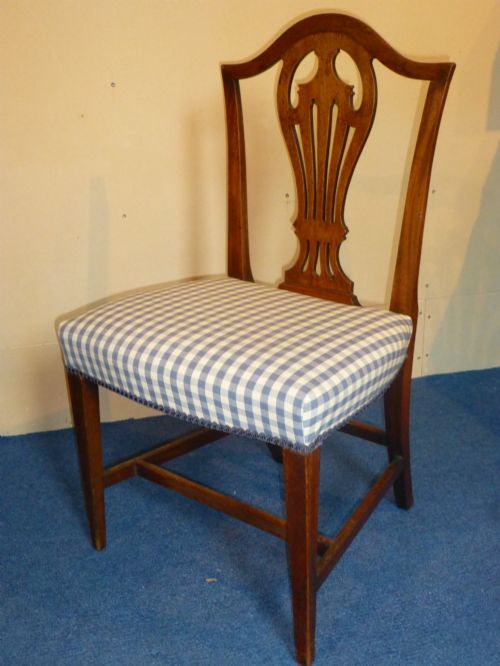
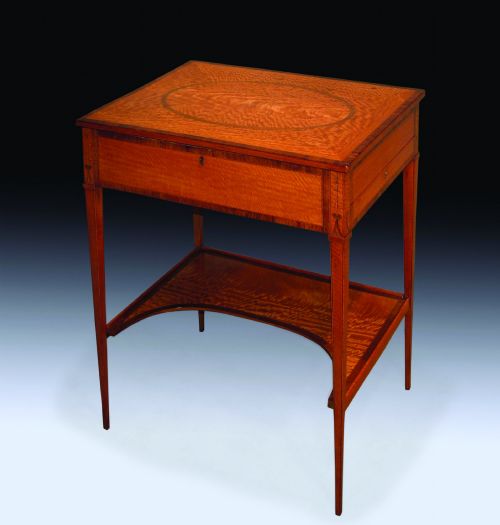
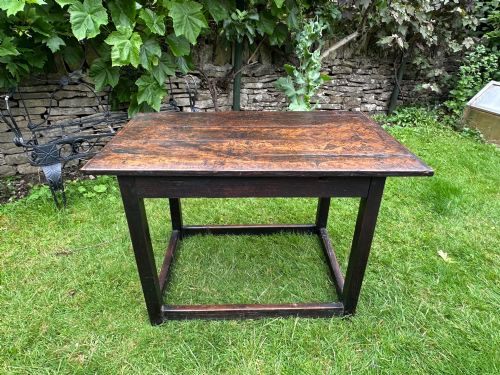
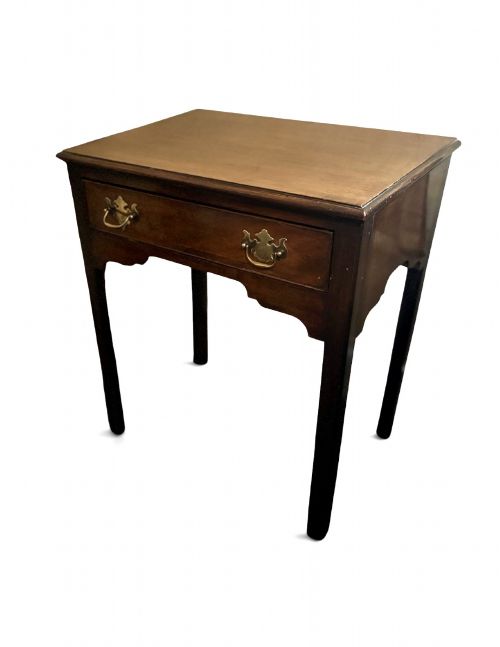
When searching for a georgian timber side desk, buyers encounter a variety of forms including lowboys, occasional tables, and writing desks originating from the 18th century, Georgian, and Regency periods. These pieces frequently appear in timber constructions such as mahogany, oak, walnut, fruitwood, and satinwood, reflecting the domestic utility and refined tastes of their eras.
The items listed on this page span side tables, lowboys, and writing desks shaped by George II, George III, Sheraton, and Regency styles. Buyers are most likely to meet mahogany side tables and lowboys, alongside occasional tables and partner desks from the broader Georgian and 18th century epochs.
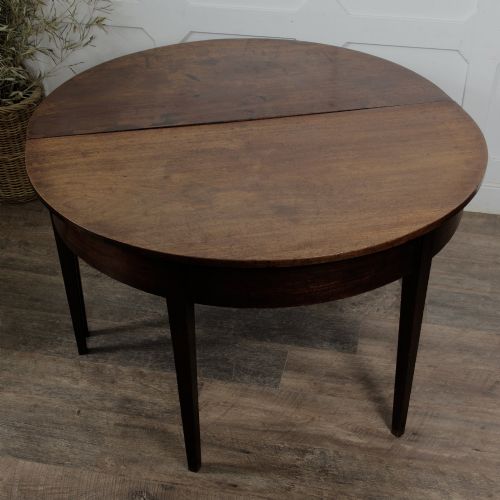
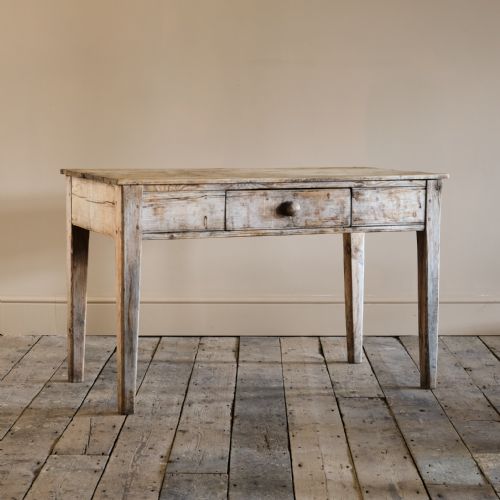
Every piece shares a grounding in traditional furniture forms, whether built as a rustic scullery table in pine or a demilune table in walnut. The selection highlights how functional surfaces and desks evolved through successive reigns while retaining solid timber construction.
Materials and construction
Makers utilised dense hardwoods such as mahogany, walnut, and oak to construct the frames and surfaces of these tables and desks. These primary timbers were often complemented by decorative veneers like satinwood and burr elm to enhance visual texture on key surfaces.
Metal hardware, particularly brass fittings and handles, served both functional and decorative roles on drawers and drop leaves. Secondary structural elements in pieces like lowboys and side tables frequently incorporated pine or fruitwood for internal framing and drawer linings.
Mahogany appears alongside oak, walnut, satinwood, fruitwood, pine, and birch across the current inventory.
Assessing craftsmanship
The selection of timber dictates much of the visual character, separating standard utilitarian items from finer pieces featuring figured mahogany, burr elm, or satinwood veneers. Artisans who handled these select woods achieved greater depth in the final appearance.
Construction methods and joinery fidelity distinguish simpler country pieces from high-style workshop productions of the Georgian era. The integration of brass details and the precision of the timber shaping reveal the maker's hand.
The Georgian Timber Side Desk Glossary
- Lowboy
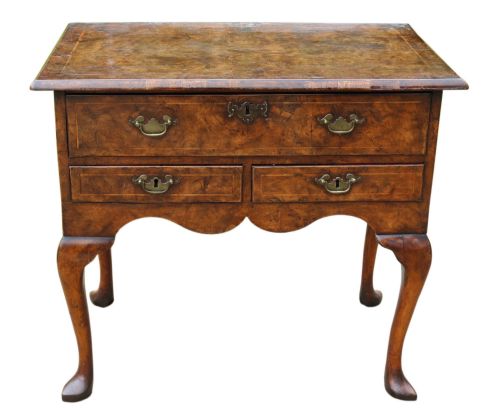
- A small dressing or side table featuring one or more rows of drawers beneath the working surface. These compact tables date primarily from the 18th century and were utilised in bedrooms or parlours.
- Demilune
- A half-moon shape used for tables designed to sit flush against a wall. This profile became popular during the Georgian and Regency periods for side and serving tables.
- Satinwood
- A luminous timber native to Ceylon and India with a yellowish sheen, favoured by cabinetmakers during the Sheraton period for decorative veneers and inlay work.
- Partners desk
- A large double-sided writing table designed for two people to work opposite one another. These desks incorporate drawers on both faces and often feature leather inset tops.
Georgian Timber Side Desk: Frequently Asked Questions
What is a lowboy table?
A lowboy is a small 18th century table fitted with drawers beneath the top surface, traditionally used for grooming or as a side table.
These pieces typically stand on slender legs and were placed in bedrooms, hallways, or smaller reception rooms for convenient storage.
How do I identify George III furniture?
George III pieces display refined proportions and classical design influences, often utilising solid mahogany or delicate satinwood veneers.
Cabinetmakers of this period favored structural restraint combined with subtle carved details, moving away from heavier earlier styles.
Where were side tables placed historically?
Side tables and lowboys found placement against walls in parlours, dining rooms, and hallways to display objects or hold lighting.
Their compact footprints allowed them to serve functional roles without encumbering domestic traffic flow.
What woods were used in Georgian desks?
Cabinetmakers primarily relied on mahogany, oak, and walnut for structural stability and durability in daily use.
Finer decorative examples incorporated exotic veneers such as satinwood and burr elm across drawer fronts and table tops.