



Georgian Timber Cupboard
A georgian timber cupboard brings honest cabinet-making and rich figuring into a room, offering practical storage with genuine period character.
Georgian Timber Cupboard
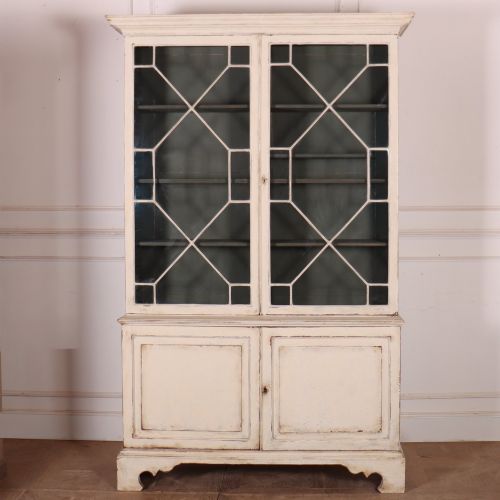
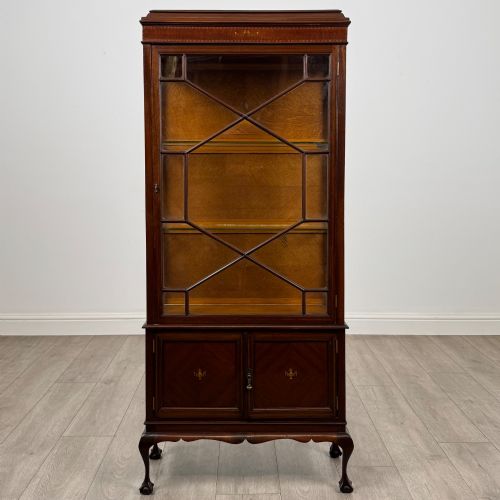
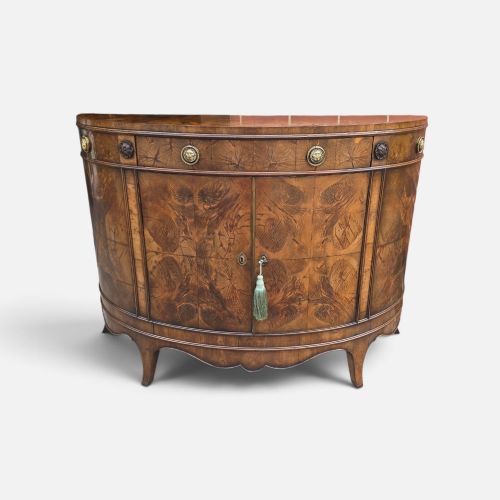
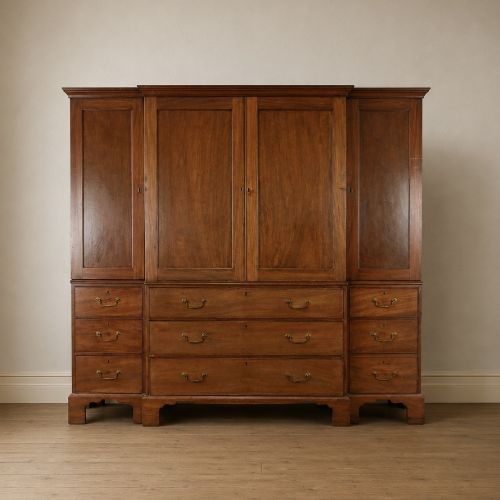
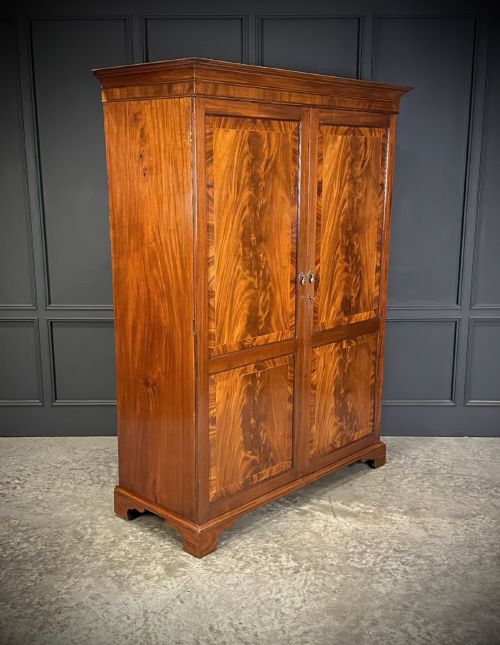
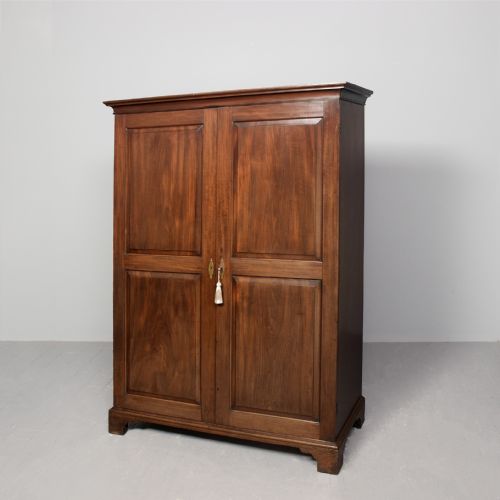
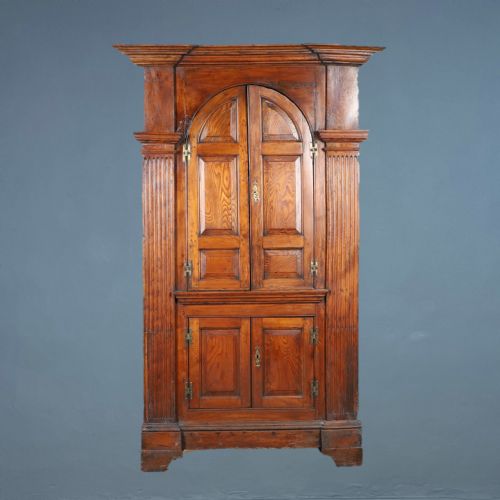
When you search for a georgian timber cupboard, you encounter substantial freestanding and wall-hanging storage pieces designed for domestic utility. The selection spans compact corner units and large breakfront wardrobes originating from the eighteenth and nineteenth centuries.
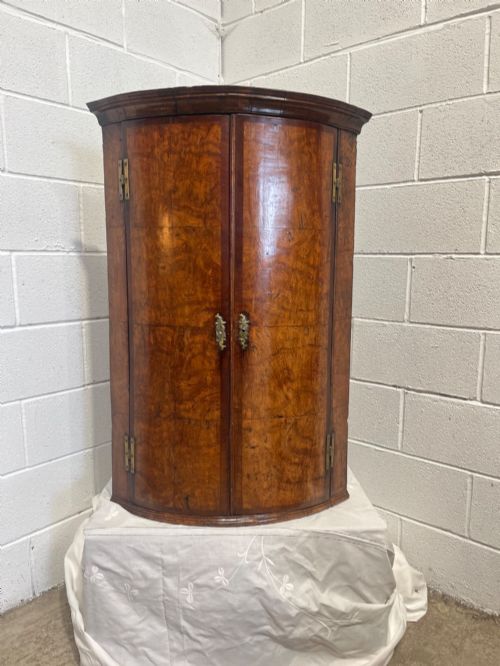
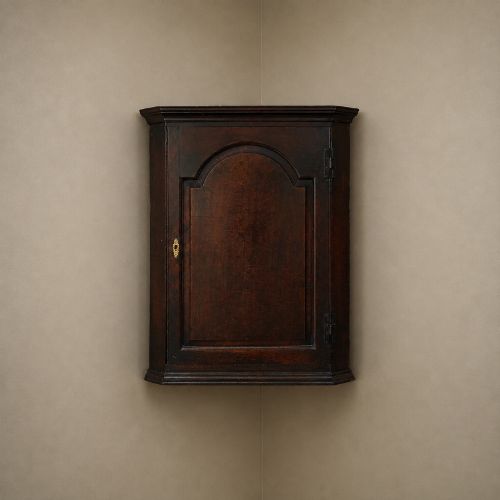
You are most likely to meet mahogany and oak corner cupboards alongside elm and fruitwood vernacular pieces. These range from simple hanging wall cabinets to architectural standing formats built for specific rooms.
The category extends to glazed bookcases, linen presses and diminutive bedside night tables from the Georgian, Regency and Victorian eras. Each form serves a distinct storage purpose while displaying the distinct timber selection of its period.
How they were made
Cabinet-makers constructed these pieces primarily using solid mahogany, oak, elm and pine, frequently selecting burr veneers for decorative surfaces. Joinery relied on traditional framing, pegged joints and hand-cut dovetails.
Hardware typically comprises cast brass hinges and escutcheons, whilst glazing involves individual hand-blown glass panes set into timber bars. Painted and decorated finishes appear alongside polished natural wood surfaces.
Bread safes and panetieres kept the household loaves safe from mice while allowing fresh air through turned spindle galleries.
What varies in quality
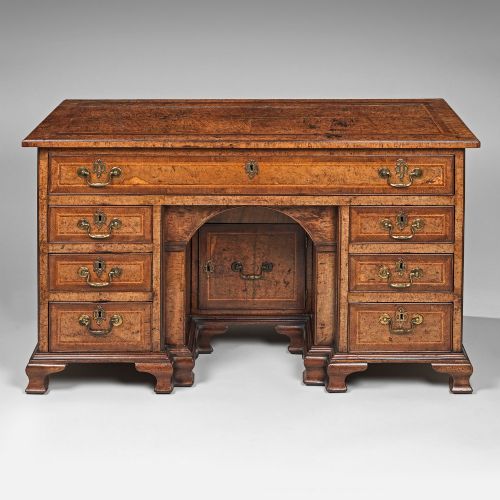
Quality rests in the choice of timber and the dexterity of the cabinet-maker in figuring grain patterns. Superior examples display carefully matched veneers, such as burr elm or satinwood inlay, integrated seamlessly into the carcass.
Construction depth dictates longevity, separating sturdy architectural joinery from lighter decorative reproductions. Original brassware, undisturbed patination and intact glazing bars elevate an individual piece above standard utility items.
The Georgian Timber Cupboard Glossary
- Breakfront
- A piece of furniture where the central section projects forward from the flanking wings. This architectural arrangement creates depth and visual variety on large bookcases and wardrobes.
- Burr
- A growth on a tree that produces highly figured, swirling wood grain when sliced into veneer. Cabinet-makers prized this timber for drawer fronts and cabinet doors.
- Corner Cupboard
- A storage cabinet specifically engineered with a triangular footprint to fit snugly into a room angle. These appear as wall-hanging units or tall freestanding architectural pieces.
- Glazed
- Fitted with glass panels to display books or china within the cabinet interior. The wooden framing holding these panes is known as glazing bars.
- Linen Press
- A tall wardrobe featuring sliding trays or shelves in the upper section for storing textiles, above drawer storage. Georgian examples often showcase figured mahogany construction.
Georgian Timber Cupboard: Frequently Asked Questions
Where should I place a corner cupboard?
These cabinets suit empty room angles where standard rectangular furniture wastes space. Wall-hanging versions anchor well above side tables or desks.
Freestanding floor models stand independently, requiring sufficient ceiling clearance and appropriate lighting to highlight the timber grain.
How do I care for antique timber?
Maintain stable indoor humidity levels away from direct heat sources and strong sunlight to prevent timber splitting. Dust regularly with a dry cloth and apply bees-wax polish sparingly.
Avoid silicone-based sprays, which penetrate the grain and degrade the historic wax finish over time.
What is the difference between a hanging cupboard and a wardrobe?
Hanging cupboards generally denote smaller wall-mounted or compact vertical cabinets designed to enclose modest items or garments. Wardrobes are taller, larger freestanding structures intended for full-length clothing storage.
Many period wardrobes incorporate internal linen presses with sliding trays rather than modern hanging rails.