


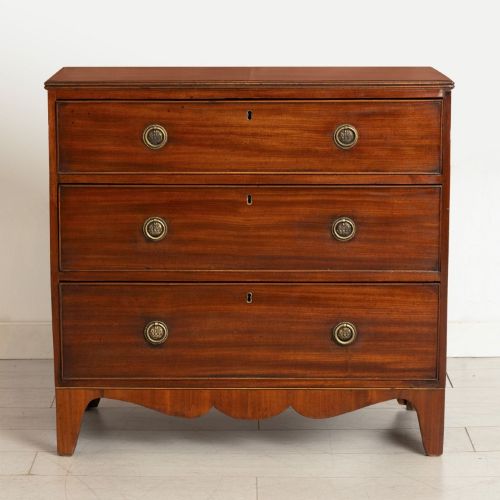
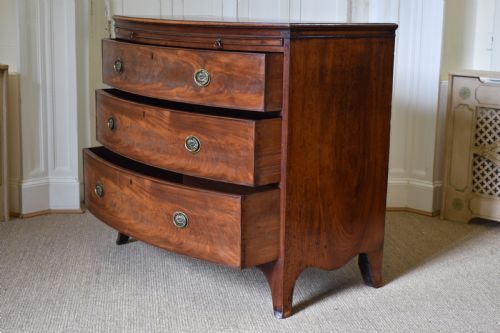
Georgian Three Drawer Dresser
A georgian three drawer dresser offers solid timber construction and practical storage, making it a foundational piece for traditional and modern interiors alike.
Georgian Three Drawer Dresser
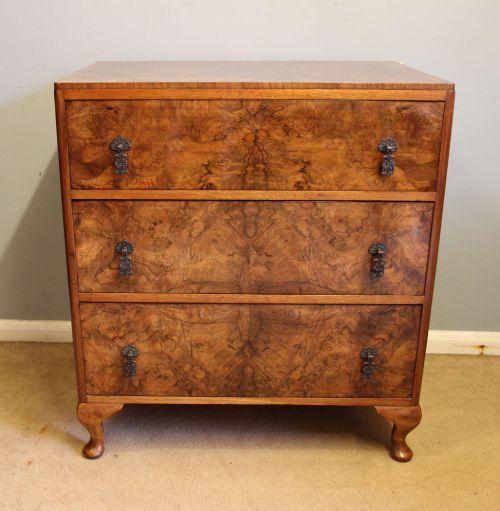
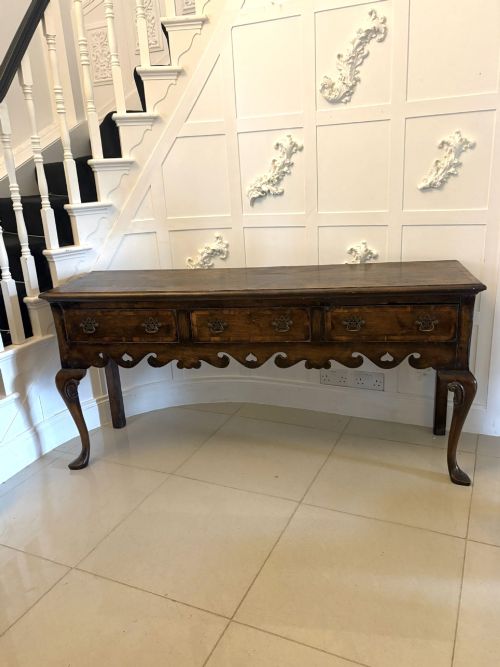
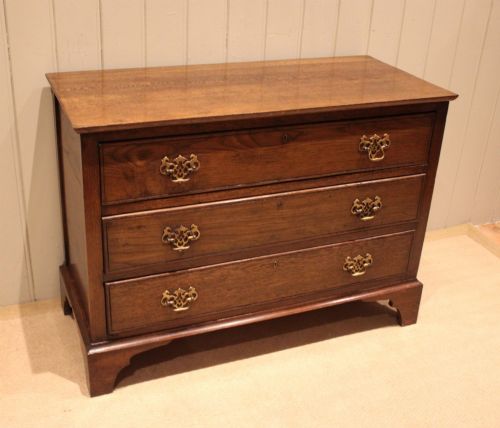
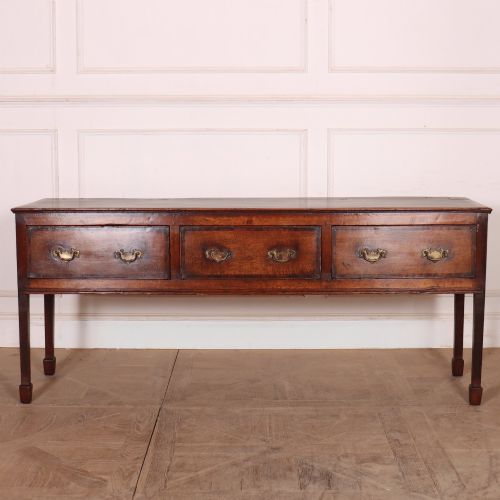
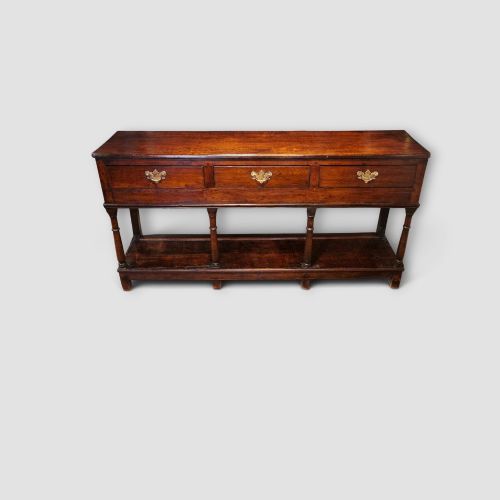
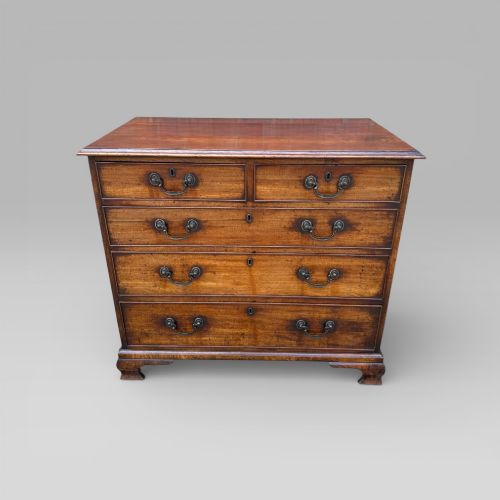
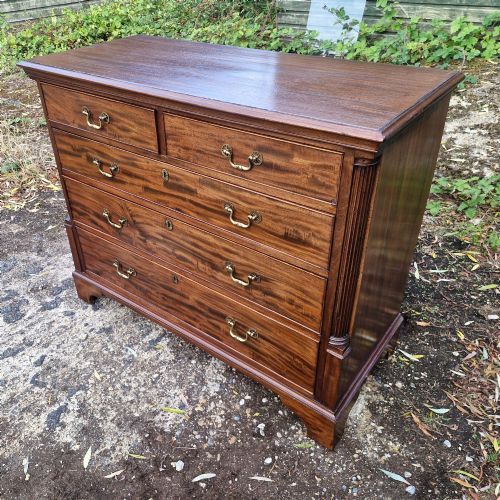
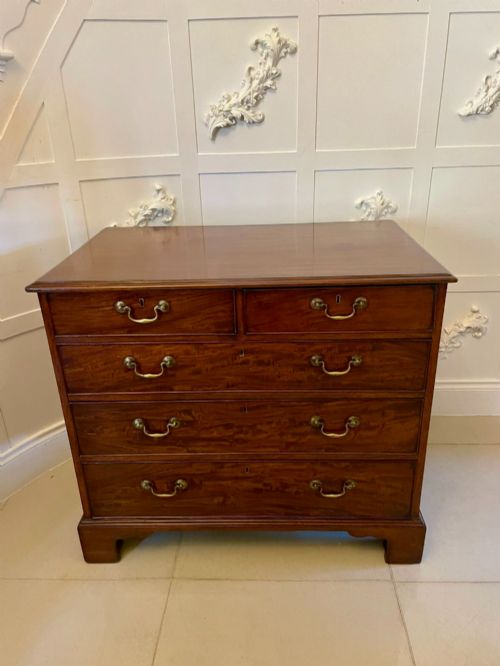
When searching for a georgian three drawer dresser, buyers encounter sturdy oak and mahogany timber forms designed for domestic storage and display. These pieces typically manifest as dresser bases, sideboard tables, or low serving units featuring a trio of drawers arranged in a row.
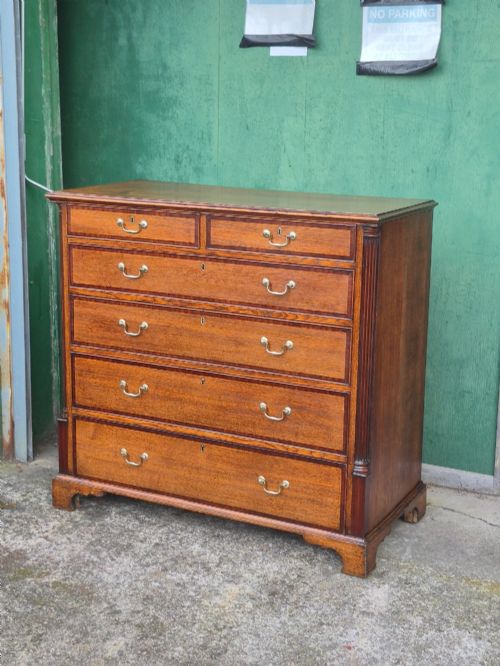
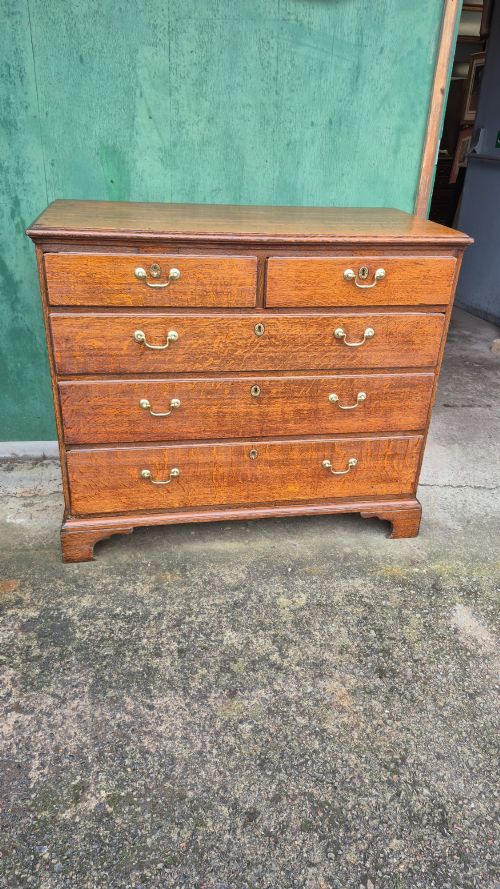
The selections available span multiple stylistic variations, including George III period examples, country oak potboards with open lower shelves, and later revival interpretations from the Edwardian era. Oak and mahogany dominate the offerings, occasionally accented with elm, walnut, or crossbanded veneers.
How They Were Made
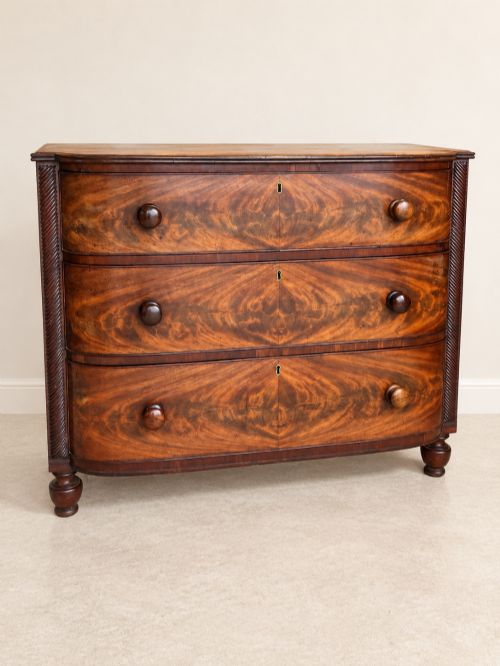
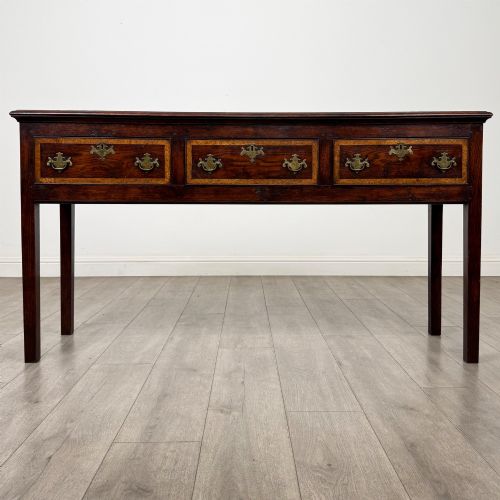
Cabinet makers utilised solid oak, mahogany, and elm for the primary carcases and drawer structures, often applying flame mahogany or boxwood veneers to the principal surfaces for decorative contrast. Traditional joinery methods such as dovetailing secure the drawer boxes, while brass drop handles and working locks complete the hardware assembly.
Finishing techniques relied on natural oils, wax polishes, and shellac applications to build up a deep patina over centuries of use. Secondary timbers like pine frequently appear in drawer linings and internal framing partitions.
Listings feature oak, mahogany, walnut, elm, and pine, reflecting both country vernacular workshops and formal urban cabinet making.
What Varies in Quality
The standard of timber selection sets individual pieces apart, with finely figured flame mahogany veneers and dense, mature English oak commanding greater visual depth. Proportion and scale also dictate quality, particularly in narrow or low-profile formats designed for specific hall and parlour layouts.
The integrity of the original hardware, including brass drop handles and escutcheons, influences the overall character. Subtle details such as crossbanded drawer edges, geometric mouldings, and cabriole legs separate standard regional items from high-specification urban commissions.
J Moorcroft
The Georgian Three Drawer Dresser Glossary
- Potboard
- An open lower shelf fitted beneath a dresser base used originally for storing ceramic plates and heavy kitchenware.
- Crossbanding
- A decorative border technique where veneer is laid perpendicular to the surrounding grain to frame the drawer front.
- Bow front
- A convex curved cabinet front popular during the Regency period that softens the linear geometry of a room.
- Dovetail
- An interlocking joint utilised in drawer construction that provides high tensile strength without modern mechanical fasteners.
- Patina
- The deep surface sheen and mellow tone developed by timber over long periods of handling and natural ageing.
Georgian Three Drawer Dresser: Frequently Asked Questions
Where were these dressers used?
These units originally served in domestic kitchens, dining parlours, and hallways as functional storage and serving surfaces. They held household linens, silverware, and everyday provisions.
Today, buyers place them in living rooms, hallways, and dining spaces as sideboards or media consoles. Their shallow depth allows them to fit comfortably in narrower circulation areas.
How do I care for the timber?
Maintenance requires regular dusting with a soft, dry cloth and occasional application of traditional beeswax to nourish the wood. Avoiding direct sunlight and sudden temperature changes protects the finish and prevents timber splitting.
Keep surfaces away from excessive moisture by using coasters and mats beneath glassware and serving dishes. Gentle care preserves the historical surface polish.
How are periods told apart?
Early pieces from the mid-eighteenth century often display heavy oak construction, geometric mouldings, and open potboard lower shelves. Regional vernacular versions frequently feature elm or fruitwood elements.
Later Regency and nineteenth-century examples lean towards mahogany timber, bow fronts, and refined brass hardware. Edwardian and later revival items replicate these earlier proportions with distinct twentieth-century internal construction.
Can I use one in a modern home?
The balanced proportions and warm timber tones integrate easily into contemporary interior schemes as focal storage furniture. Their modest height makes them suitable for positioning beneath artwork or wall-mounted mirrors.
The three drawer arrangement provides practical organisation for modern accessories while adding historical character to a room. They function effectively as hall tables or dining room servers.