







Georgian Textile Wall Art
Georgian textile wall art brings centuries of hand-stitched needlework, silk, and wool into rooms through framed panels, samplers, and tapestries.
Georgian Textile Wall Art
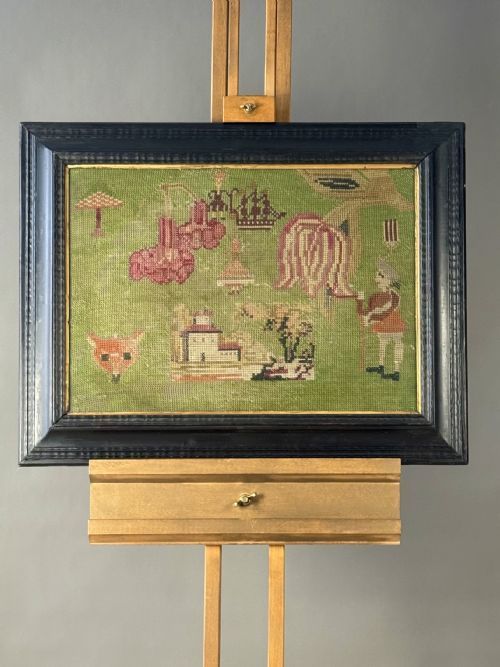
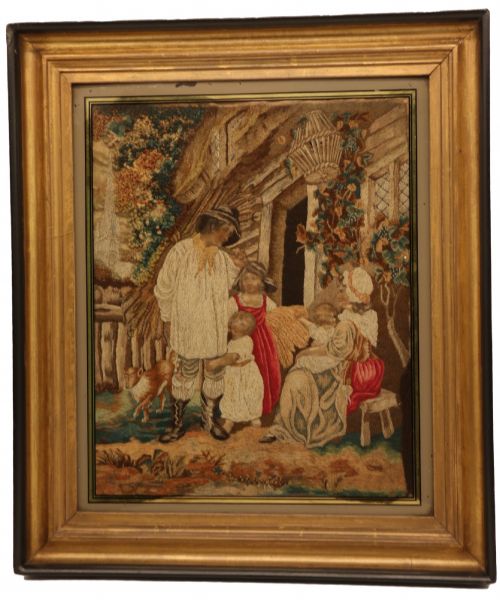
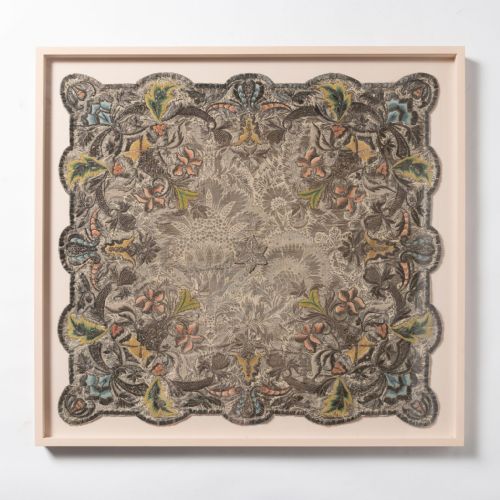
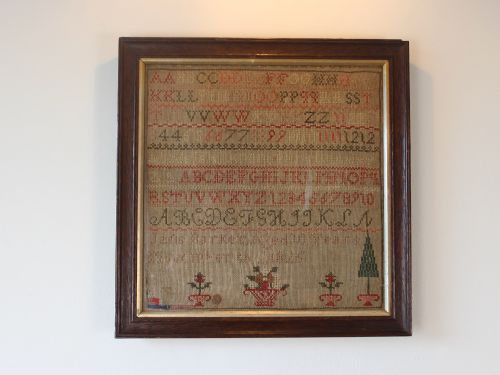
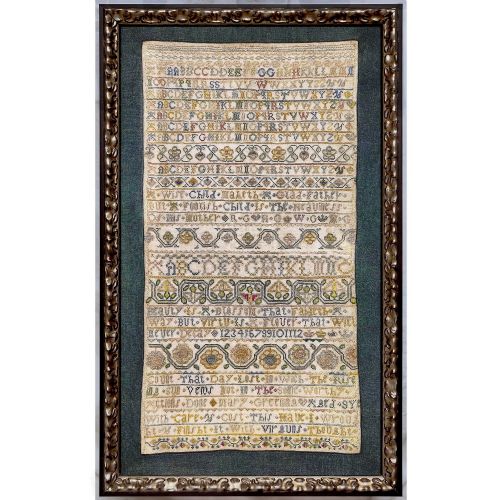
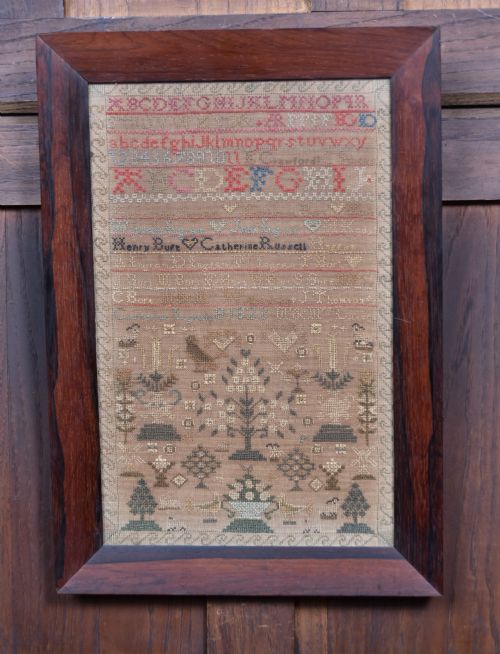
Georgian textile wall art encompasses framed samplers, needlework pictures, tapestries, and embroidered panels created during the eighteenth and nineteenth centuries. These pieces record domestic craft through alphabet exercises, map designs, pastoral scenes, and portraits rendered in thread.
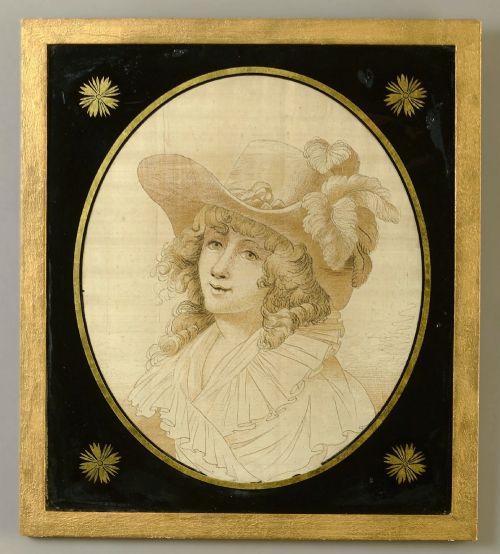
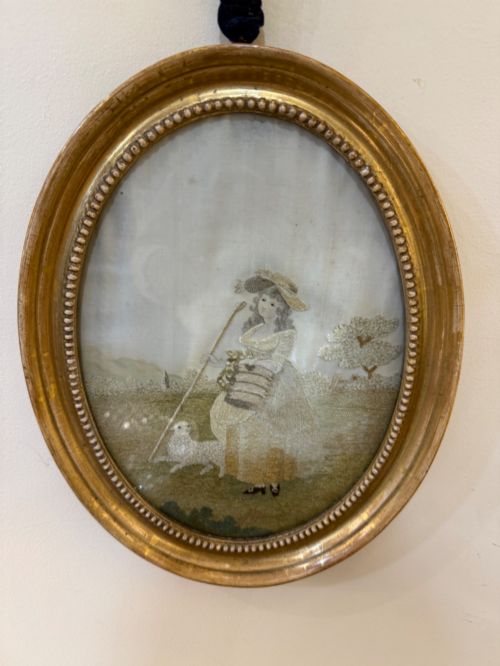
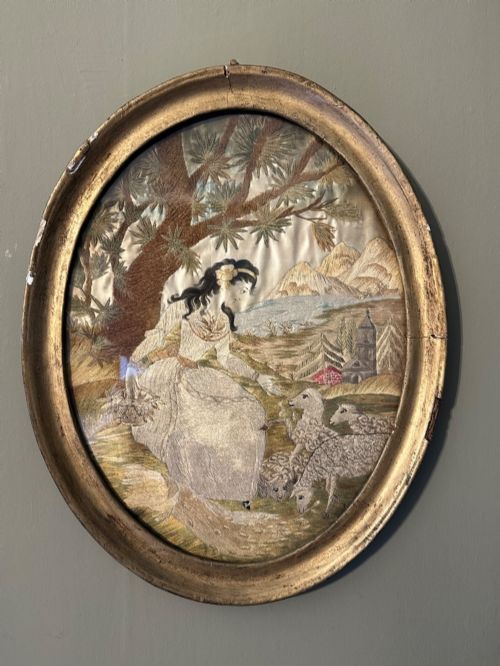
The versions most commonly met on this page include needlework samplers and framed silkwork pictures produced across the Georgian and Regency periods. Makers utilised silk, wool, and linen threads on fabric grounds, often mounting the completed works within wood, giltwood, or verre églomisé frames.
How they were made
Makers stitched onto linen or silk grounds using silk floss, wool, and thread to build pictorial and textual compositions. Hand-painted details frequently supplemented the embroidery, particularly in faces and landscape backgrounds of nineteenth-century silkwork pictures.
Finished textiles were stretched and framed behind glass using wood, giltwood, or specialised verre églomisé glass frames. Cisélé silk velvet and tapestry weaves also formed substantial wall hangings and panels during the period.
Listings feature eighteenth and nineteenth-century pieces spanning the Georgian, Regency, and Victorian periods, alongside specific dates from 1790 to 1930.
What varies in quality
The distinction between standard examples and superior works rests on the precision of the needlework and the complexity of the design. Map samplers, narrative scenes, and detailed silk portraits demonstrate greater technical ambition than basic alphabet practice pieces.
Preservation of the original materials and framing significantly influences the character of a piece. Intact silk threads, original hand-painted elements, and period frames such as verre églomisé preserve the visual integrity intended by the maker.
The Georgian Textile Wall Art Glossary
- Sampler
- A piece of needlework produced as a demonstration or test of skill in various stitches, often featuring alphabets, numbers, and motifs. These works were typically signed and dated by young makers.
- Verre Églomisé
- A process of applying gold or silver leaf to glass combined with engraving and painting, frequently used for decorative borders on picture frames. This technique provides a dark, reflective border around antique textile pictures.
- Crewel Work
- Embroidery executed with wool yarn on a linen or cotton ground. The technique creates textured, heavy surface designs characteristic of early nineteenth-century panels.
- Cisélé Silk Velvet
- Velvet fabric featuring a pattern created by cut and uncut loops, often utilised for substantial wall hangings. This textile offers varied texture and depth through woven pile variations.
- Silk Floss
- Untwisted silk yarn used in embroidery to produce a smooth, glossy surface finish. It allows for subtle shading in pictorial needlework.
Georgian Textile Wall Art: Frequently Asked Questions
What is Georgian textile wall art?
Georgian textile wall art comprises historic hand-stitched items including samplers, embroidered silk pictures, map works, and woven tapestries. These works preserve eighteenth and nineteenth-century needlecraft within original frames.
Items range from alphabets worked by young learners to detailed pastoral scenes and portraits stitched in silk and wool. Each piece offers a direct record of period domestic handwork.
How were these textile pieces displayed?
Most needlework pictures, samplers, and small panels were framed behind glass to protect the delicate silk and wool threads from dust and light. Wood, giltwood, and verre églomisé frames were selected to complement the textile.
Larger tapestries and silk velvet panels were hung directly on walls as textile furnishings. Framing styles evolved from simple mouldings to decorated glass mounts by the Regency period.
How do I date a needlework sampler?
Many samplers include embroidered dates, maker names, and ages, providing direct documentation for the piece. Stylistic elements like alphabet formats, border designs, and materials such as silk floss help narrow the production era when dates are absent.
18th-century examples tend toward simpler banded formats, while 19th-century pieces often incorporate pictorial scenes, genealogical records, or school attributions.
What materials were used in these artworks?
Makers stitched with silk thread, silk floss, wool, and linen onto woven fabric grounds. Backgrounds sometimes incorporated hand-painted paper or silk to render faces and skies.
Frames utilised wood, giltwood, and glass, occasionally featuring painted or gilded verre églomisé panels. Structural supports relied on wooden stretchers and backing boards.
How should I care for antique textiles?
Display antique textile art away from direct sunlight to prevent fading of delicate silk and wool threads. Maintain stable indoor humidity levels to protect organic fibres and wooden frames.
Keep pieces behind their protective glass and avoid cleaning the fabric surface with liquids. Professional conservation is recommended if re-framing or stabilization becomes necessary.