





Georgian Needlework Textile
When you examine a georgian needlework textile, you hold a hand-worked piece of history made in thread, silk, and wool that brings domestic artistry of past centuries straight into modern rooms.
Georgian Needlework Textile
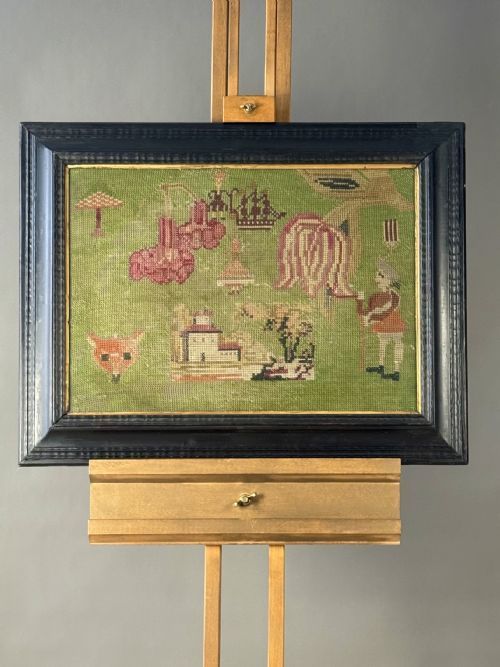
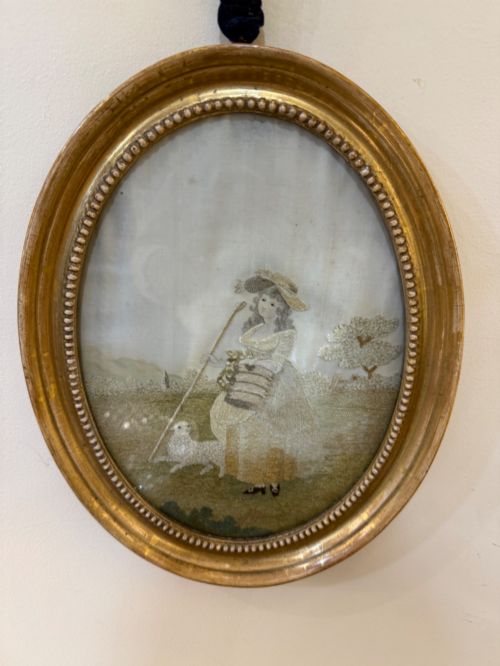
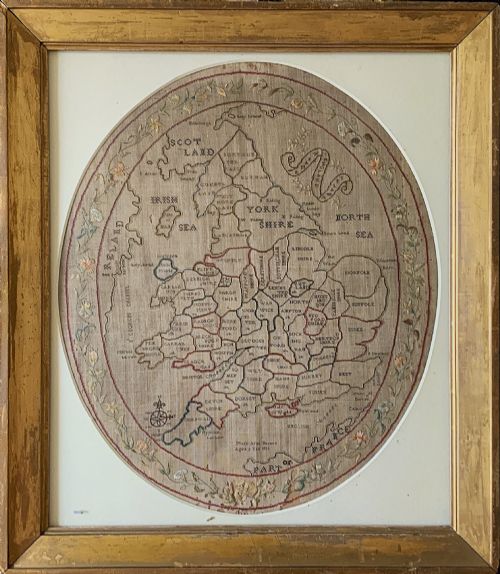
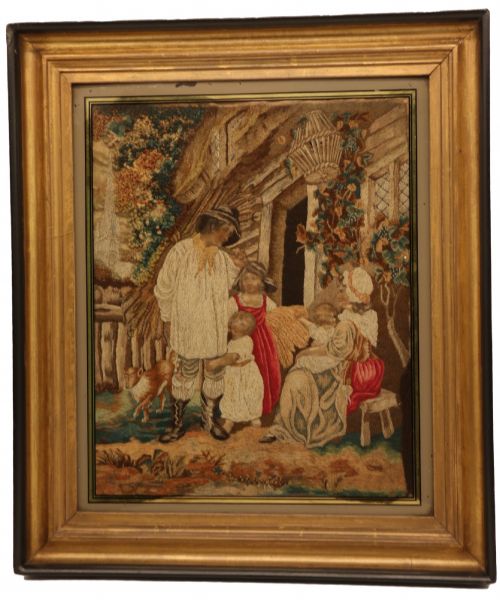
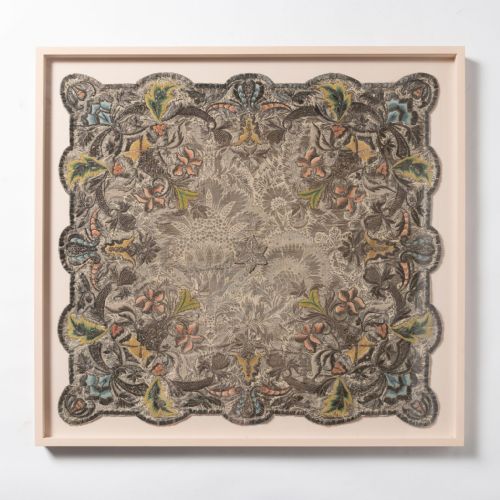
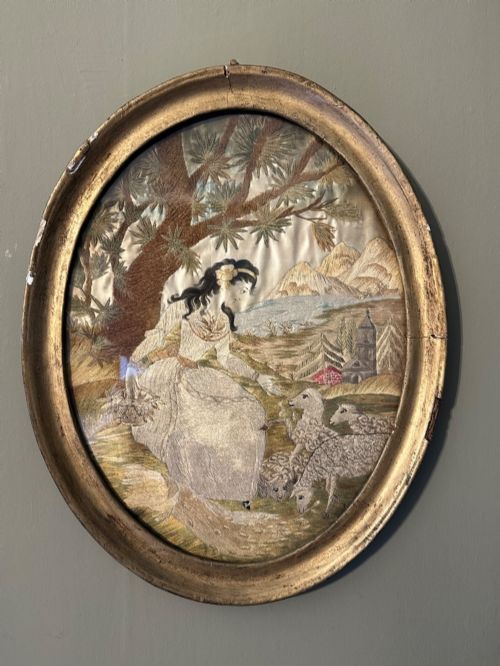
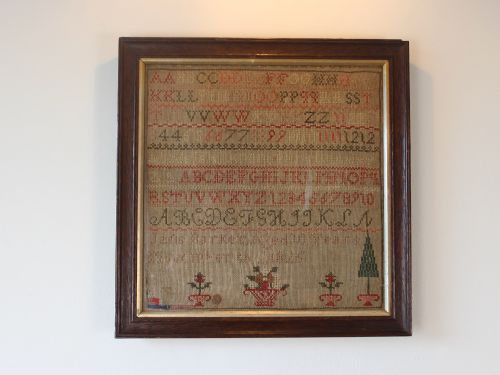
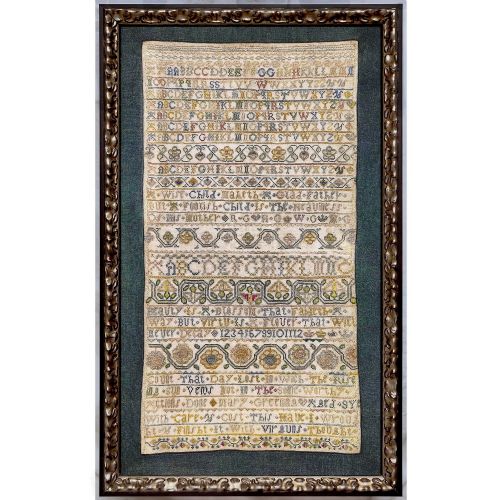
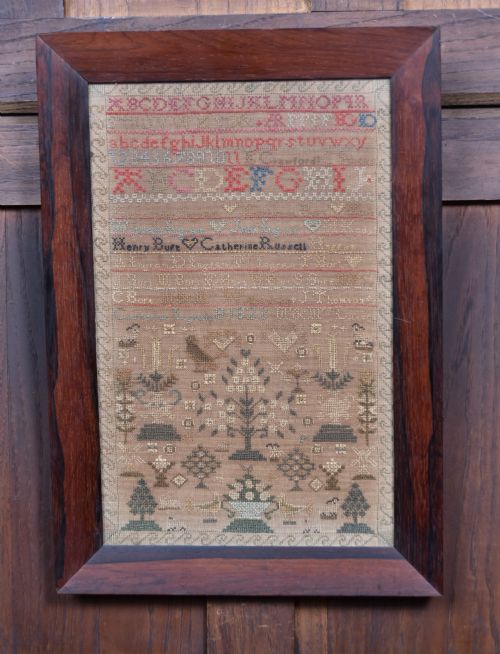
A georgian needlework textile encompasses framed pictures, samplers, maps, and panel artworks created during the eighteenth and nineteenth centuries. These works include embroidered pastoral scenes, alphabets, and cartographic studies executed by hand.
The selections span periods from the eighteenth century through the Regency and Victorian eras. Many pieces preserve the names and ages of young makers, alongside dates and regional origins.
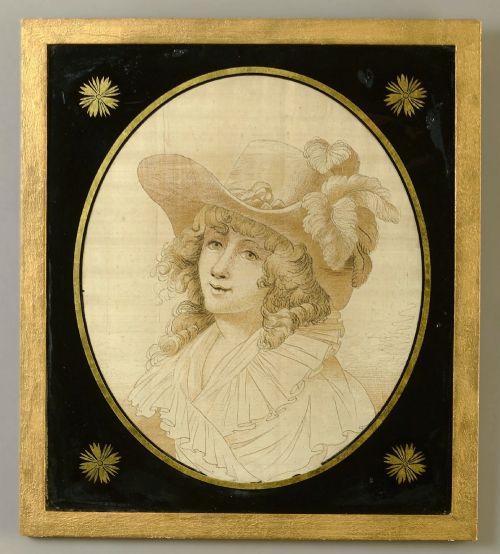
Framed textile art and needlework pictures form the core of these offerings, often presented in period surrounds like verre églomisé frames. They reflect domestic accomplishment and historical educational practices.
How they were made
Framing frequently incorporates wood and glass, including specialised verre églomisé glass techniques with gilded highlights. Structural support relies on period timber frames to protect the delicate embroidery.
Current listings feature eighteenth-century and nineteenth-century pieces incorporating glass, silk, wood, linen, wool, and giltwood.
What varies in quality
Gradations in quality depend on the fineness of the stitching and the complexity of the composition, such as pictorial detail versus basic alphabet practice. The preservation of original materials and period framing influences the character of each survival.
Signed and dated examples with documented maker details carry greater historical weight than anonymous fragments. The vibrancy of surviving silk and wool threads also distinguishes superior panels from faded examples.
The Georgian Needlework Textile Glossary
- Sampler
- A piece of needlework demonstrating various stitches, alphabets, or motifs, often worked by young learners as a measure of skill. These pieces frequently record names, dates, and locations.
- Verre églomisé
- A process of applying gold or silver leaf to glass along with cold painting, creating a reflective and decorative border. Such frames enhance antique silkwork and woolwork pictures.
- Crewel work
- Embroidery executed with wool yarn on linen or other foundation fabrics, producing textured and robust pastoral scenes. This technique creates tactile depth in historical textile panels.
- Silk floss
- Unspun or loosely twisted silk fibres used for smooth, lustrous stitching in detailed pictorial works. It allows for fine shading in figures and landscape elements.
Georgian Needlework Textile: Frequently Asked Questions
How should I hang antique needlework textiles?
Protect these pieces from direct sunlight to prevent silk and wool threads from fading over time. Keep them away from damp environments to preserve the integrity of the linen ground and wooden frames.
Ensure they hang securely using appropriate wall fixings suited to the weight of the timber and glass frames. Professional framing support helps maintain structural stability for heavier panels.
What do map samplers depict?
Map samplers display geographical regions such as England and Wales, embroidered as part of education for young girls during the Georgian period. They combine cartographic accuracy with decorative needlepoint borders.
These works often record the maker's name, age, and completion date alongside counties and towns. They serve as historical records of contemporary geography and domestic instruction.
How do I identify a Georgian needlework picture?
Look for stylistic cues such as pastoral farming scenes, religious motifs, or portraits of fashionable figures worked in silk and wool. Materials typically include linen grounds and period wooden surrounds.
Inscribed dates, names, and ages often appear worked directly into the composition or noted on the backing. Regency and Georgian examples frequently employ fine silk threads and painted silk elements.
Are these textiles entirely handmade?
Historical needlework pieces from this era rely entirely on hand execution, utilising various stitches implemented with needle and thread. Backgrounds occasionally incorporate hand-painted details on silk prior to embroidery.
Backings consist of hand-woven linen or wool textiles rather than modern synthetic bases. Every surviving stitch reflects individual labour from the eighteenth and nineteenth centuries.