






Georgian Tea Vessel
A georgian tea vessel brings utilitarian warmth and polished metal to the table, uniting domestic ritual with the heavy gauge of early nineteenth-century work.
Georgian Tea Vessel
A georgian tea vessel encompasses kettles, teapots, coffee pots, urns, and samovars produced across the eighteenth and nineteenth centuries.
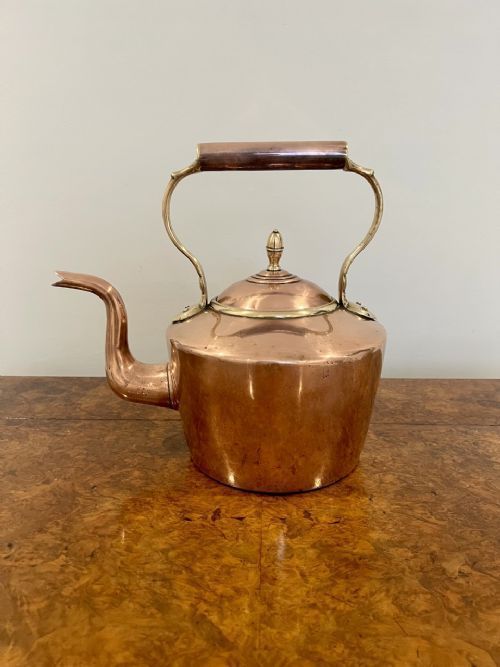
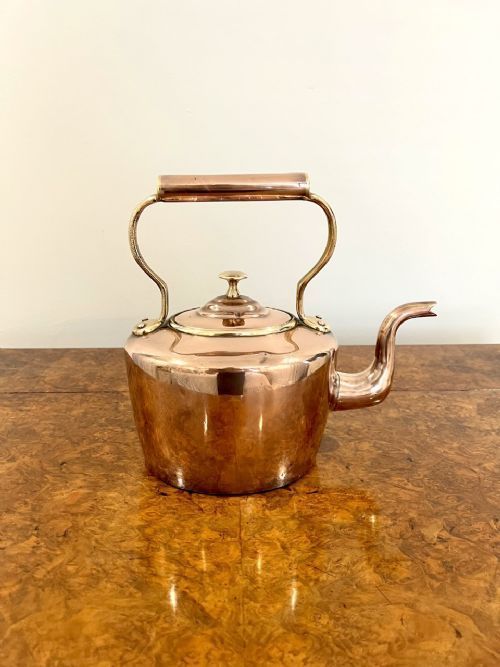
Copper and brass examples dominate the selection, often taking the form of large water kettles intended for hearth or stand use.
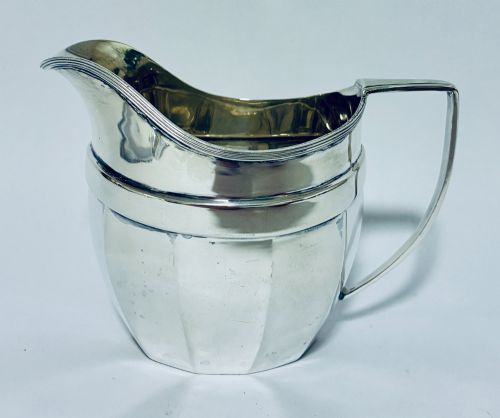
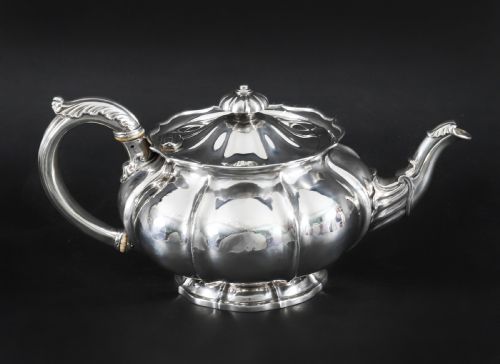
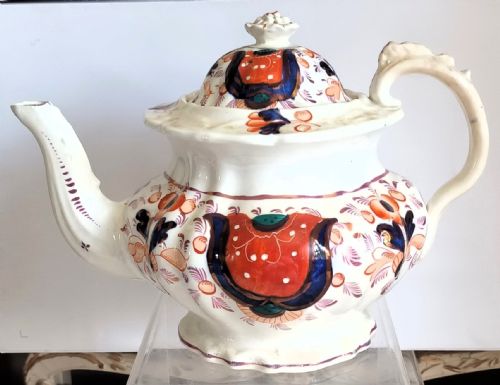
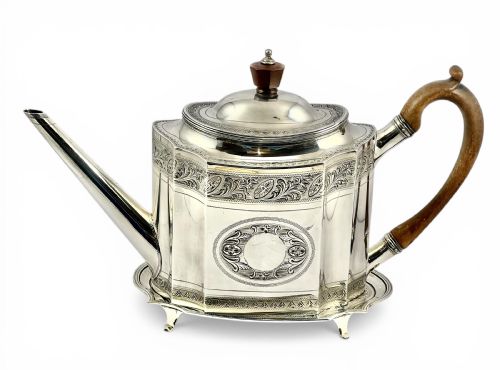
Silver vessels appear in sterling alongside Old Sheffield Plate, while ceramic pieces include earthenware and porcelain varieties.
Materials and construction methods
Metal vessels combine heavy sheet copper with brass fittings, utilising hand-beaten panels and soldered seams suited to daily boiling.
Silverwork employs hammered sterling and fused Old Sheffield Plate over copper bases, reflecting specialised silversmithing techniques.
Ceramic examples rely on earthenware and felspar porcelain bodies decorated with underglaze transfer prints or painted patterns.
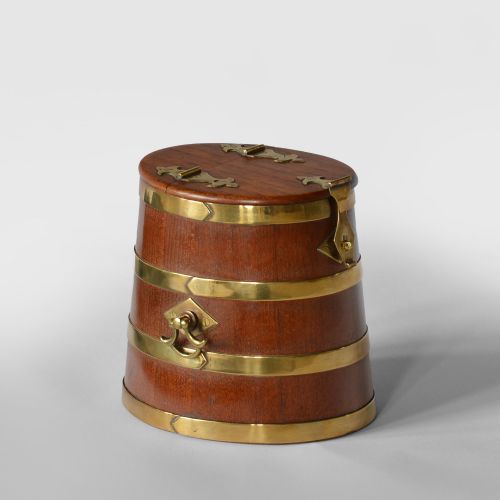
A miniature brass-bound coopered naval rum barrel survives alongside massive copper water urns, proving that strong spirits shared shelf space with tea.
Distinctions in craftsmanship
Weight and thickness of the metal dictate the integrity of copper kettles and urns, separating utilitarian items from finer parlor pieces.
Maker marks and provincial hallmarks on silver provide clear evidence of origin and workshop standard.
The crispness of hand-cut detail on brass taps, wooden handles, and engraved silver surfaces defines the upper tier of production.
Paul Storr·Robert Hennell I·Joseph Craddock
The Georgian Tea Vessel Glossary
- Old Sheffield Plate
- A method of fusing a thin sheet of silver to a thicker copper core by heat and pressure. This technique produced durable tableware before electroplating became common.
- Samovar
- A heated metal urn used to boil and heat water for tea. These vessels often feature an internal vertical metal tube for charcoal or a heated block.
- Pearlware
- A fine earthenware developed in Staffordshire featuring a bluish glaze that pooled in recesses. It served as a popular canvas for painted and transfer-printed tea wares.
- Treen
- Small domestic objects made from wood. These turned and carved pieces include caddies and small containers associated with tea storage.
Georgian Tea Vessel: Frequently Asked Questions
What is a georgian tea vessel?
A georgian tea vessel is a kettle, teapot, urn, or hot water container made during the Georgian and Regency periods. These items served the daily preparation and service of tea in the home.
They appear in copper, brass, sterling silver, Old Sheffield Plate, and various ceramics. Each form fulfilled a specific role in heating water or brewing the leaf.
How do copper kettles differ from samovars?
Copper kettles were designed to sit directly on a heat source or a metal stand to boil water for tea making. They prioritize sturdy capacity and thick sheet metal construction.
Samovars function as larger freestanding urns that kept water hot over a longer duration, often incorporating internal heating mechanisms and brass spigots.
How are silver pieces dated?
Silver vessels carry official assay office hallmarks, date letters, and maker marks stamped directly into the metal. These punch marks reveal the city of origin and exact year of testing.
Unmarked silver plate and copper items rely on stylistic cues, construction methods, and comparable documented examples to establish an approximate date.
How do I care for antique metal?
Antique copper and brass require gentle cleaning to preserve their historic polished surfaces and natural patination. Avoid harsh abrasive cleaners that strip the old metal skin.
Silver pieces benefit from regular, soft cloth wiping and specialised silver polishes used sparingly to maintain hallmarks and avoid excessive wear on raised decoration.