


Georgian Tea Urn Stand
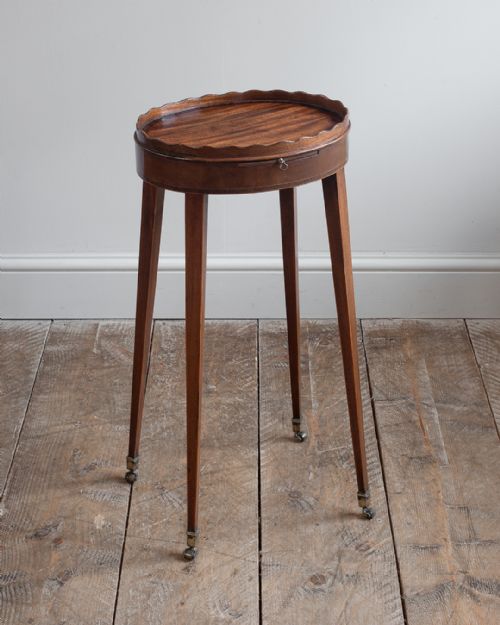
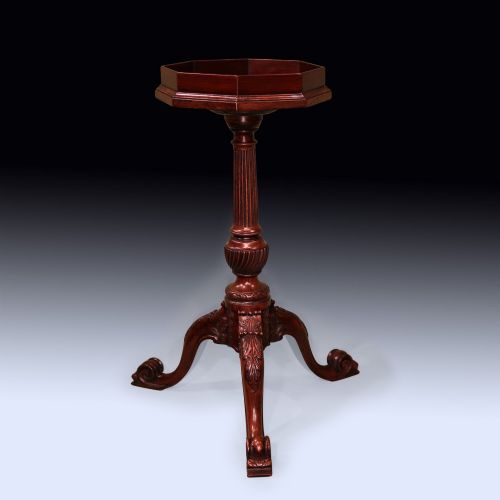
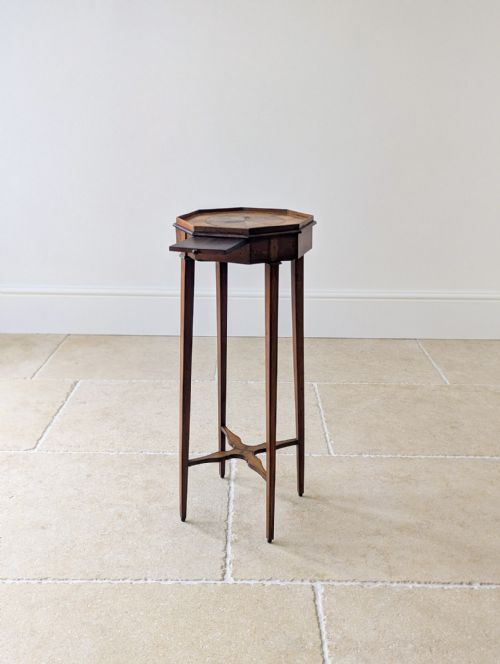
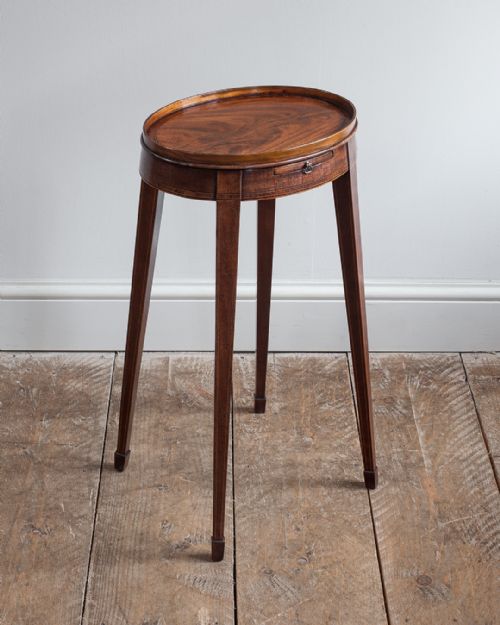
These georgian tea urn stand pieces are refined side tables designed for holding heavy hot water vessels during tea service.
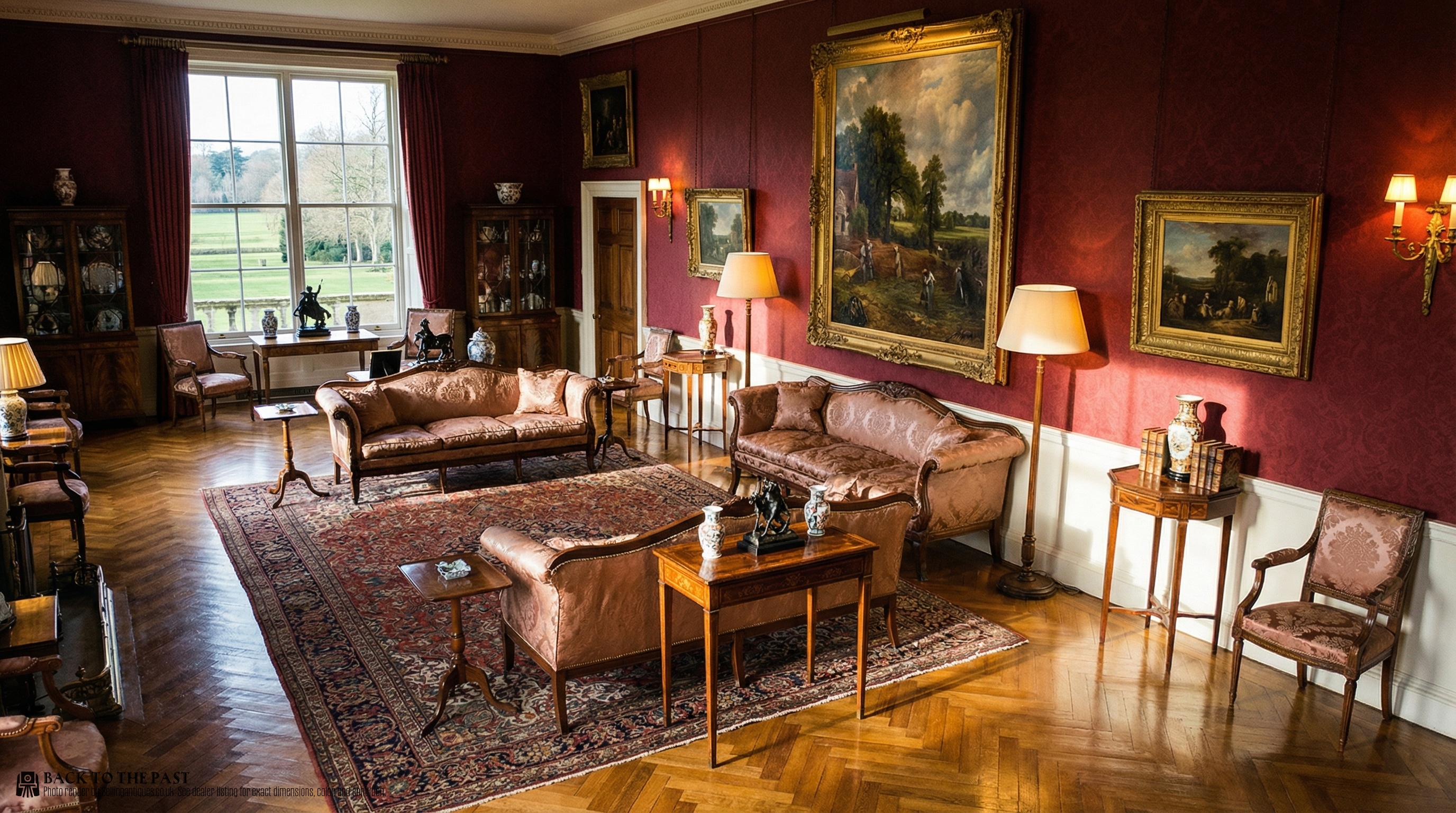
Georgian Tea Urn Stand
A georgian tea urn stand serves as a compact surface for positioning a kettle or heated water container close to the table during formal tea pouring. When you browse this selection, you encounter forms ranging from oval and octagonal tops to square configurations suited for eighteenth-century domestic rituals.
Most pieces date from the eighteenth century and the Georgian period, executed primarily in rich timbers like mahogany and satinwood. You also discover later revival iterations, alongside associated silver-plated or sterling silver vessels fitted to dedicated stands, reflecting shifting dining fashions over time.
Materials and construction
Cabinetmakers constructed these stands predominantly using solid mahogany and satinwood, frequently enhancing the surfaces with detailed inlay and carving. Joinery follows traditional methods of the period to support the concentrated weight of a filled metal urn.
Metal components appear in brass mounts and fittings, while related silver-plated or sterling silver pieces demonstrate specialised silversmithing techniques. Selected examples incorporate painted decorations upon satinwood grounds to achieve decorative contrast.
Materials recorded across the inventory include mahogany, satinwood, brass, inlay, and sterling silver.
Distinctions in craftsmanship
The standard of carving and the crispness of inlaid details dictate the visual distinction between individual stands. Finer examples display meticulous attention to timber grain selection and balanced proportions across delicate legs and supports.
Originality of surface finish and the integrity of structural joints heavily influence the standing of any given piece. Subtle variations in edge moulding and leg shaping separate standard domestic production from exceptional cabinet work.
Paul Storr
The Georgian Tea Urn Stand Glossary
- Urn stand
- A small occasional table specifically created to support a heavy tea urn or kettle. These pieces often feature pull-out slides for cups.
- Kettle stand
- An alternative term for a small table designed to hold a heated water vessel. They share the compact dimensions and elevated form of urn stands.
- Satinwood
- A lustrous, fine-grained exotic hardwood native to India and Sri Lanka, prized for its yellow colour and smooth finish. Cabinetmakers used it extensively for decorative veneers and inlay work.
- Inlay
- A decorative technique where contrasting materials are inserted into recessed cavities of a wooden base. This method creates geometric patterns or pictorial motifs across the top surface.
- George III
- The period of British history spanning from 1760 to 1820, characterised by refined furniture designs associated with makers like Sheraton and Chippendale.
Georgian Tea Urn Stand: Frequently Asked Questions
What is a georgian tea urn stand used for?
These tables were built to hold heavy vessels of boiling water used during formal tea services. Their compact size kept the heat source within reach of the person pouring.
Today, collectors use them as accent tables or plant stands. Their small footprint allows them to fit easily beside seating furniture.
How do I identify a Georgian period stand?
Look for dense mahogany timbers, traditional joinery methods, and characteristic silhouettes from the eighteenth century. Details like hand-carved legs and subtle inlay work point directly to the era.
Revival pieces from later centuries often copy these forms. Examining the timber age and interior construction helps confirm the original period.
Where should I place an urn stand at home?
Position your stand in a corner or beside a chair where its compact top can be fully appreciated. Because these tables are lightweight, keep them away from heavy traffic areas.
They function well displaying small decorative objects or lamps. Ensure the surface remains protected from moisture and direct heat.
What distinguishes Sheraton and Chippendale styles?
Sheraton designs lean toward geometric restraint, featuring satinwood veneers, straight tapering legs, and delicate inlay. Chippendale pieces often display more robust carving and fluid lines.
Both styles emerged during the eighteenth century to serve wealthy households. Understanding these design vocabularies helps date individual pieces accurately.