



Georgian Tea Caddy Table
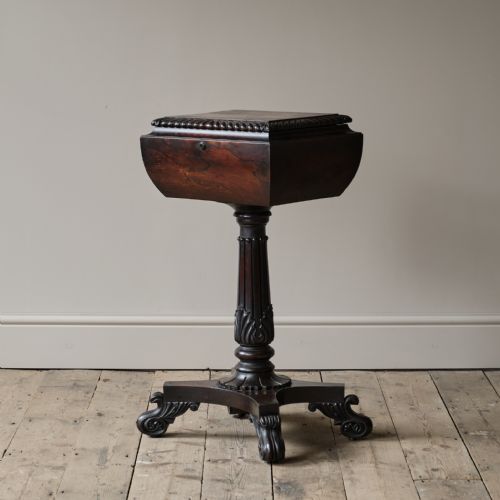
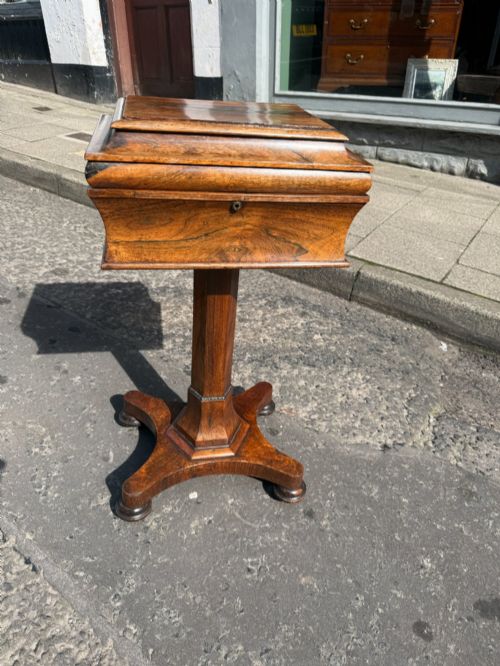
A georgian tea caddy table is a dedicated piece for storing leaf tea, appearing here most often as a refined rosewood or mahogany teapoy on a stand.
Georgian Tea Caddy Table
A georgian tea caddy table brings together the utility of tea storage and the stature of a small freestanding occasional table. The pieces gathered under this phrase span the Georgian, Regency, and William IV eras, stretching into later Edwardian revivals.
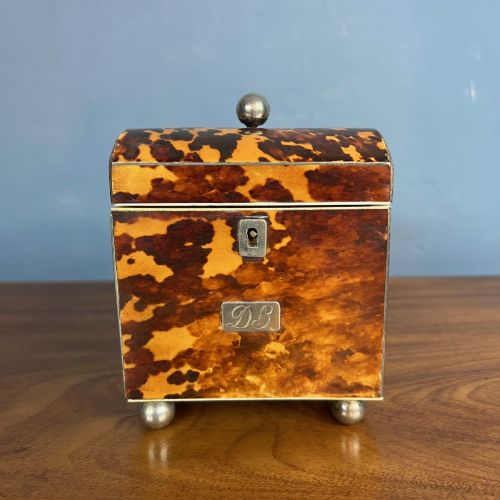
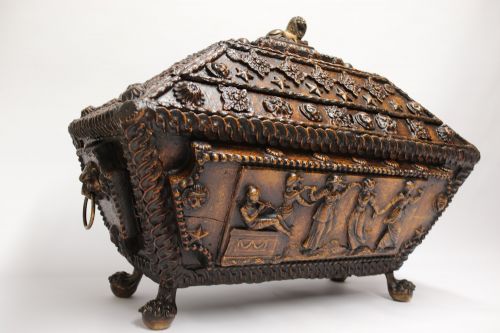
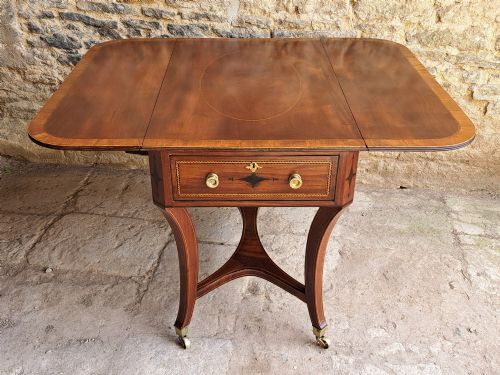
Buyers encounter sarcophagus-shaped boxes, decorative caskets, and freestanding teapoys alongside Pembroke and side tables. Mahogany and rosewood form the dominant timbers, often elevated on pillar stands with carved feet.
Origins trace across English and Scottish workshops, with periods ranging from the mid-eighteenth century through to the early twentieth century. The selection reflects both formal pedestal designs and simpler work table variants.
Materials and construction
Cabinetmakers utilised dense tropical hardwoods such as mahogany and rosewood, frequently selecting flame veneers and burr yew for richly figured surfaces. Brass inlay appears as stringing or delicate geometric motifs set directly into the wood.
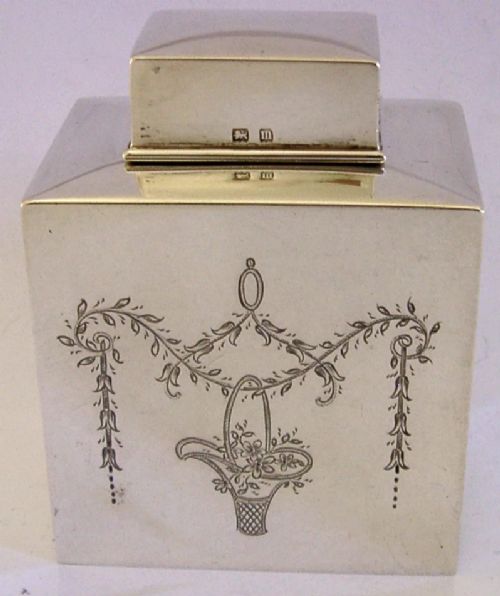
Internal compartments often retain fitted wooden caddies or glass mixing bowls designed to hold different tea leaves. Heavy brass or sterling silver handles and escutcheons secure the lids, while solid or carved feet anchor the central pedestals.
Georgian Tea Caddy Table Retail Price Guide 2026
Typical asking prices for georgian tea caddy table among the pieces listed under this phrase on Sellingantiques today, from the lower quarter to the upper quarter. They describe what is for sale here now, not the wider market.
Many surviving tea boxes still retain faint aromas of stale tea leaves trapped inside their cedar or mahogany linings after two centuries.
Distinctions in grade
Quality rests in the precision of the timber matching and the crispness of any brass inlay or gesso decoration. Superior examples display seamless grain continuity across the lid and sides of the box.
The architectural integrity of the pedestal base and the survival of internal fittings dictate the standing of a piece. Finer items demonstrate fluid carving on the legs and solid structural joinery within the stand.
Zimmermann·Gillows
The Georgian Tea Caddy Table Glossary
- Teapoy
- A small stand or table designed specifically to hold tea caddies, usually featuring a lidded box on a central pillar or four legs. This term is frequently used interchangeably with tea caddy table.
- Sarcophagus
- A box shape characterised by a domed or sloping lid and a flared body resembling an ancient stone coffin. Cabinetmakers adopted this silhouette for grand Regency and Georgian caddies.
- Gesso
- A plaster-like mixture applied to wood surfaces and built up into relief decorations before gilding or painting. It provides the textural ornamentation seen on certain decorative caskets.
- Pembroke table
- A small occasional table with hinged drop leaves on two opposing sides. Some Georgian variants incorporated tea storage functions.
- Escutcheon
- A protective plate surrounding a keyhole, typically cast in brass or sterling silver. On these pieces, they punctuate the front of the tea box.
Georgian Tea Caddy Table: Frequently Asked Questions
What is a teapoy?
A teapoy is a lidded box mounted on a stand, designed to hold tea leaves safely away from damp air and light.
Over time, the form evolved from a tabletop chest into a substantial piece of freestanding furniture with its own legs or pedestal base.
How were these tables used?
Tea was a costly commodity in the Georgian period, so the mistress of the house kept the leaves locked away inside these specialised boxes.
Guests would gather while tea was measured out and blended from separate internal compartments before brewing.
How do I date a tea table?
Dating relies on timber selection, hardware style, and the overall silhouette of the base and box. Regency pieces often favour rosewood with brass inlay, while earlier George III examples lean towards solid mahogany.
Internal construction details and the shape of the feet offer further clues to the decade of manufacture.
Where should I place it?
These compact tables suit living rooms or studies as accent pieces beside seating. They provide useful surface space and decorative presence without dominating a room.
Direct sunlight and extreme temperature changes should be avoided to protect the polished wood surfaces.