


Georgian Tavern Table
A georgian tavern table brings honest timber and centuries of daily use straight into a modern room.
Georgian Tavern Table
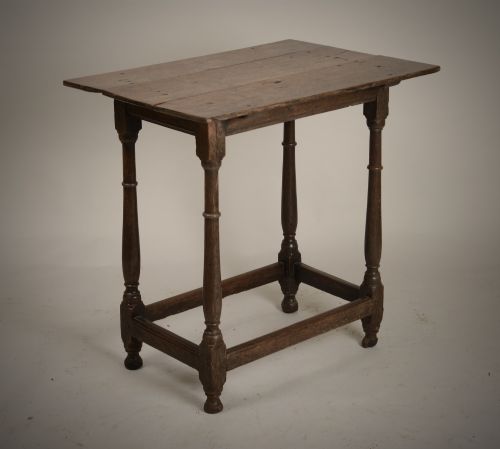
A georgian tavern table stands as a sturdy survivor from eighteenth and nineteenth century alehouses, cottages, and farmhouses. These pieces served hardworking communal spaces before finding their way into domestic sitting rooms and kitchens.
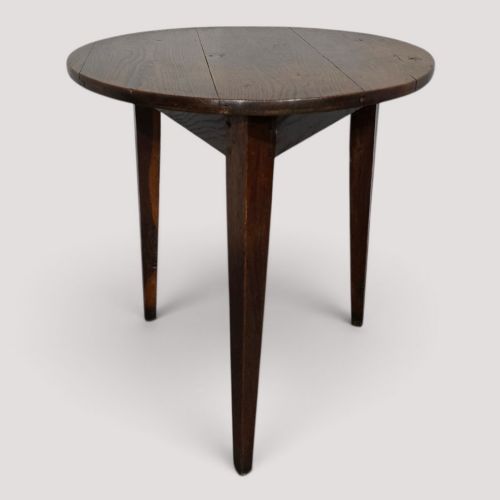
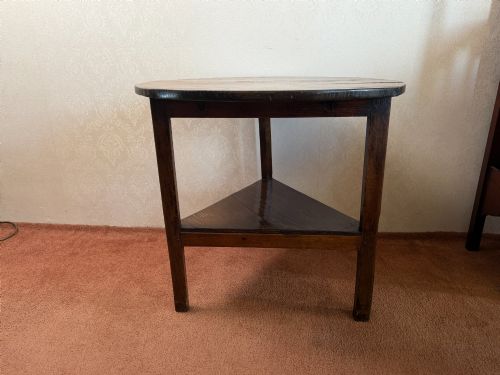
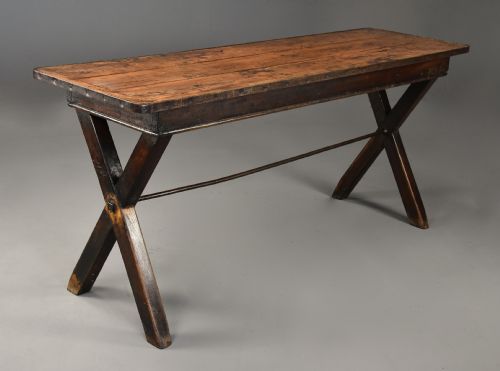
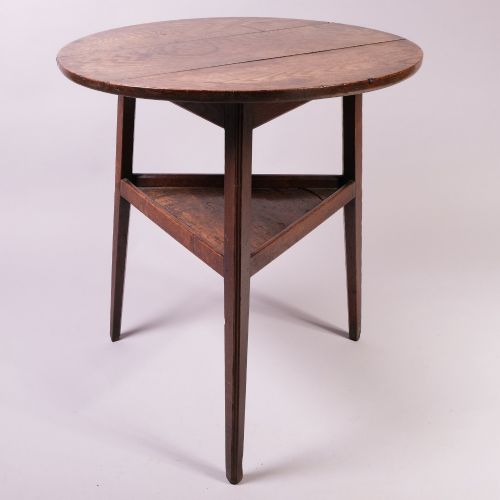
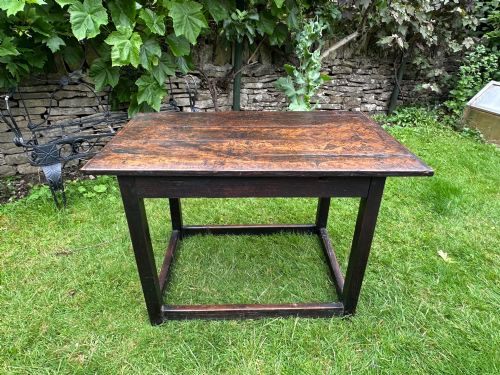
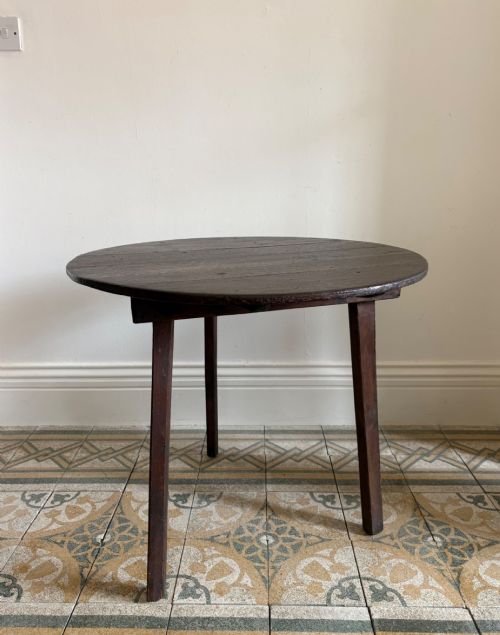
The varieties meeting buyers on this page include oak plank top formats, sycamore trestle designs, and three-legged cricket tables. Walnut, elm, ash, and pine also appear frequently across side, occasional, and low coffee table forms.
Origins stretch across English and Welsh workshops, taking shape through rustic country, vernacular, and provincial farmhouse traditions. Each survivor carries the distinct marks of communal life and utilitarian craftsmanship.
How they were made
Joiners relied on solid native timbers like oak, elm, ash, sycamore, and pine for strength and availability. Planks were joined to sturdy trestle bases, cross frames, or three-legged configurations built to withstand heavy daily use.
Surfaces developed naturally through decades of scrubbing and handling, while iron hardware and occasional painted finishes provided structural reinforcement. Makers prioritized rugged utility over delicate ornamentation.
Some cricket tables were built with three legs simply because old floors had uneven flagstones that made four legs wobble.
What varies in quality
Quality rests in the integrity of the timber and the depth of the patination built up over centuries. Tables featuring original plank tops and honest structural timber sit well above pieces suffering from unsympathetic timber replacement.
The balance between the top and the base dictates visual success, particularly on trestle and cricket formats. Good examples retain their native surface colour and authentic signs of period wear without losing structural stability.
The Georgian Tavern Table Glossary
- Cricket table
- A small three-legged circular table dating from the eighteenth or nineteenth century, designed to stand steadily on uneven flagstone floors.
- Plank top
- A solid wooden surface constructed from wide boards joined together, often displaying rich grain patterns and centuries of wear.
- Trestle base
- A support system where horizontal beams rest on vertical uprights or feet, providing stability for long tavern and refectory tables.
- Patina
- The surface sheen and softened texture acquired by timber through generations of handling, polishing, and environmental exposure.
- Vernacular
- Furniture made by local country joiners using regional styles and available materials rather than following metropolitan fashion.
Georgian Tavern Table: Frequently Asked Questions
What is a tavern table?
A tavern table is a sturdy wooden table built in the eighteenth or nineteenth century for use in public houses, inns, and farmhouses. These pieces were designed for heavy communal use and feature robust timber construction.
They appear in various forms on this page, including oak plank tops, trestle bases, and three-legged cricket tables made from ash, elm, and sycamore.
How do I use a tavern table today?
These tables adapt easily to modern rooms as side tables, low coffee tables, or small dining surfaces. Their compact proportions and sturdy timber make them practical for daily use.
Placing one in a hallway or living space allows the historic timber and surface patination to become a functional focal point.
How do I tell an eighteenth century table apart from a nineteenth century one?
Dating relies on observing construction methods, timber choice, and the natural ageing of the wood. Eighteenth century pieces often show simpler hand-planed surfaces and heavier native oak or ash framing.
Nineteenth century examples frequently utilise pine bases, sycamore tops, or lighter framing while maintaining traditional country vernacular designs.