




Wooden Pub Table
A wooden pub table brings honest working character into a room, offering sturdy charm through timber tops and heavy iron bases.
Wooden Pub Table
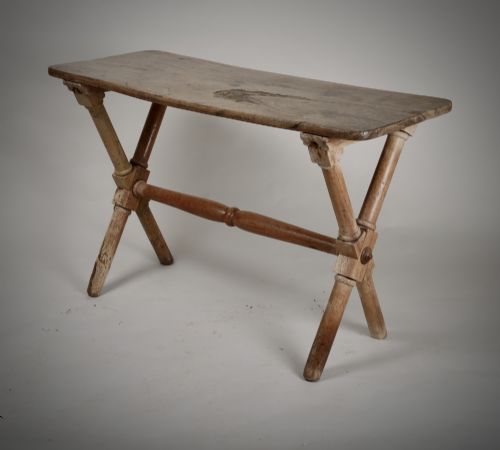
A wooden pub table serves as a robust surface designed originally for public houses and taverns, built to withstand daily use. When searching for a wooden pub table, a buyer encounters forms spanning the eighteenth, nineteenth, and early twentieth centuries.
The pieces on this page appear in various regional styles, including English, Welsh, and French country designs. Common formats range from compact tavern and occasional tables to larger dining pieces.
Materials combine solid timber tops with substantial frames, sometimes featuring cast iron bases. These tables suit modern interiors seeking substantial historical utility and straightforward design.
How they were made
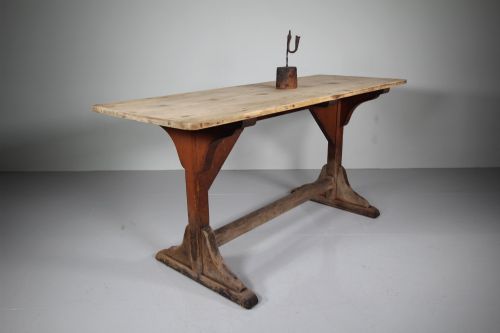
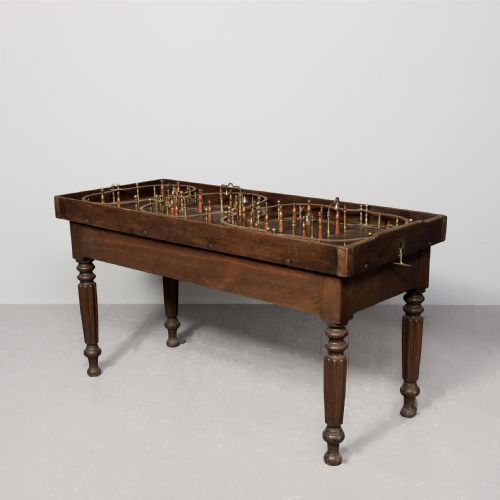
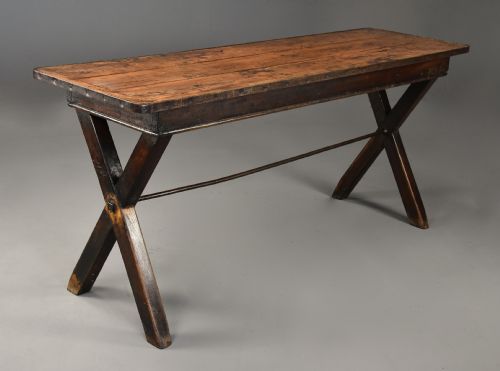
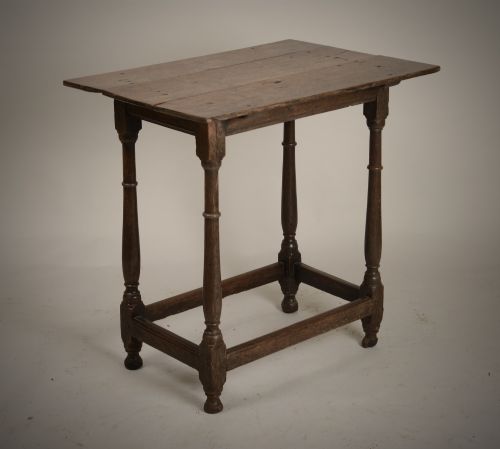
Makers constructed these tables using dense hardwoods like oak, mahogany, elm, and sycamore alongside softer pine and general timber. Tops often consist of thick planks joined securely to handle heavy daily wear.
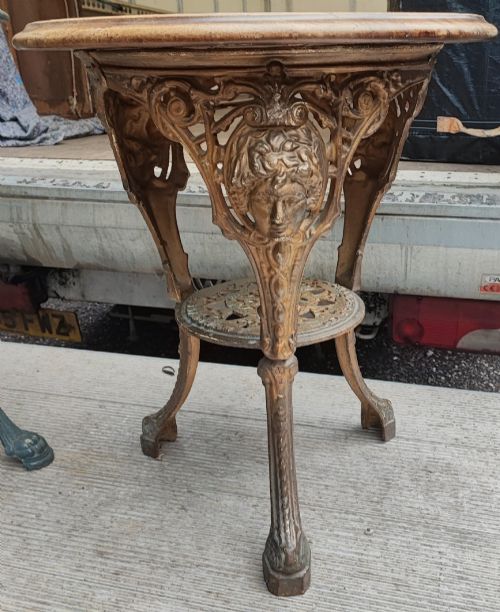
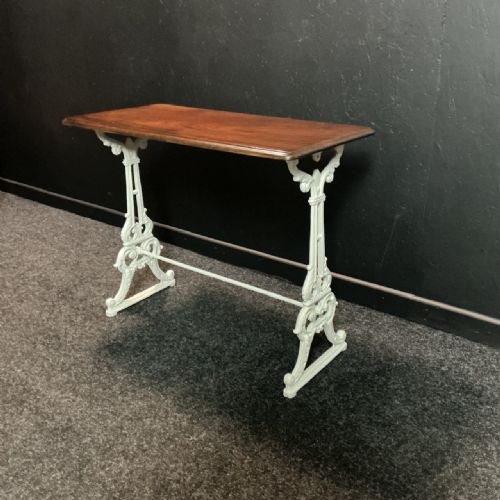
Bases frequently utilise cast iron or iron for stability, particularly in Victorian designs employing scroll work or trestle ends. Brass and other metals appear in supporting elements or fixtures where required.
Carpenters relied on traditional jointing techniques to bind the heavy wooden elements together. Surfaces developed their character through decades of use rather than applied decoration.
Wooden Pub Table Retail Price Guide 2026
Typical asking prices for wooden pub table among the pieces listed under this phrase on Sellingantiques today, from the lower quarter to the upper quarter. They describe what is for sale here now, not the wider market.
Listings span the eighteenth, nineteenth, and early twentieth centuries, featuring oak, pine, mahogany, elm, and cast iron.
What varies in quality
Quality rests in the integrity of the timber and the substance of the base, distinguishing heavy working pieces from lighter domestic variants. Thick tops and original cast iron supports command greater attention from collectors.
The depth of patina on woods like oak, elm, and mahogany dictates visual success. Surfaces that retain rich colour through age show superior character compared to stripped or heavily altered examples.
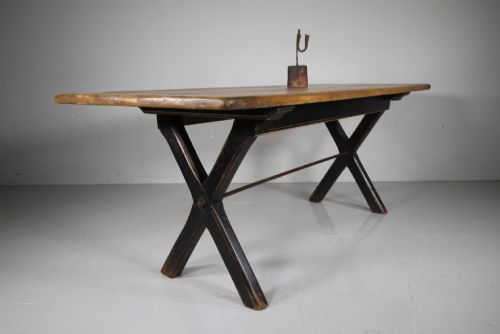
Proportion and structural balance separate standard tables from exceptional tavern forms. Pieces with trestle ends or original painted finishes demonstrate distinct regional craftsmanship.
The Wooden Pub Table Glossary
- Patina
- The surface sheen and deep colour acquired by wood through age, handling, and regular use. This quality develops naturally over decades in public houses.
- Trestle table
- A table featuring a horizontal beam supported by two feet or vertical frames. This construction allows maximum legroom around the wooden pub table.
- Cast iron
- A strong, heavy iron alloy poured into moulds to create rigid bases and decorative scroll work. Found beneath many nineteenth-century tavern tables.
- Tavern table
- A compact, sturdy wooden table traditionally used in public houses for drinking and dining. These pieces often feature thick tops and robust legs.
- Sycamore
- A dense, light-coloured hardwood utilised by makers for heavy table tops. It provides a smooth surface that resists splitting under hard use.
Wooden Pub Table: Frequently Asked Questions
Are these tables suitable for everyday dining?
These pieces were built for heavy commercial use in public houses, making them exceptionally durable for daily meals in a home. Their solid wooden construction handles active household environments with ease.
Buyers should check dimensions carefully, as legroom and height vary significantly across nineteenth-century tavern and pub tables compared to modern standard dining sets.
How do I identify a Victorian pub table?
Victorian examples frequently incorporate cast iron bases, often decorated with scroll work or industrial framing, paired with wooden tops. The materials reflect the manufacturing capabilities of the nineteenth century.
Many pieces from this period combine pine or oak boards with iron frames designed to bolt securely to floors or remain stable under heavy use.
What woods were commonly used for these tables?
Carpenters relied on durable timbers such as oak, elm, mahogany, and sycamore for the primary tops. These hardwoods stood up to constant wiping, spills, and heavy tankards.
Pine and general timber also appear frequently, particularly in regional English and Welsh pieces intended for less formal tavern spaces.
Can I use an iron-based table outdoors?
While cast iron and heavy wood withstand robust conditions, historic tables require protection from persistent dampness and extreme weather shifts. Keeping them in conservatories or sheltered spaces preserves the antique timber.
Moisture damages both the historic wood surfaces and the iron components, so indoor placement ensures the longevity of the piece.