




English Oak Tavern Table
An english oak tavern table brings substantial timber and honest domestic utility straight into a modern interior.
English Oak Tavern Table
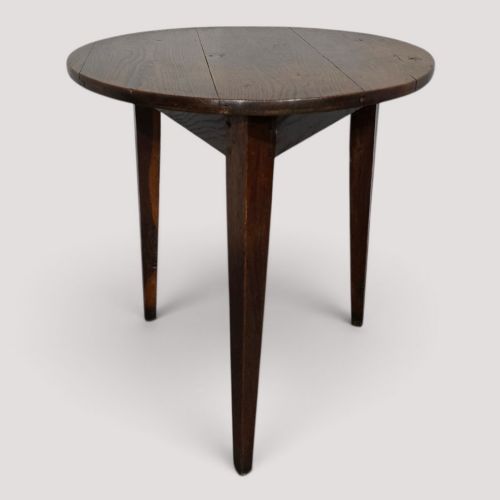
An english oak tavern table is a sturdy domestic surface built to withstand heavy daily use in public houses and farmhouses. You will most frequently encounter sturdy examples dating from the eighteenth and nineteenth centuries, often showing practical rustic forms.
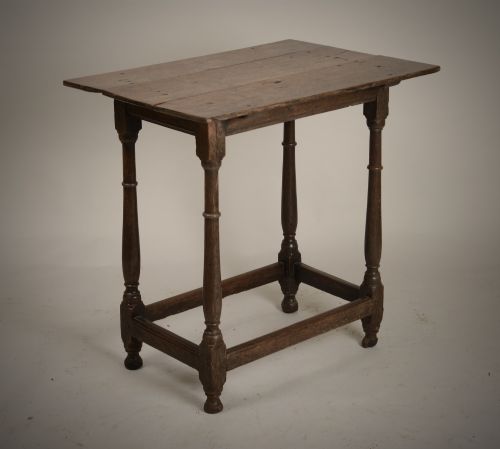
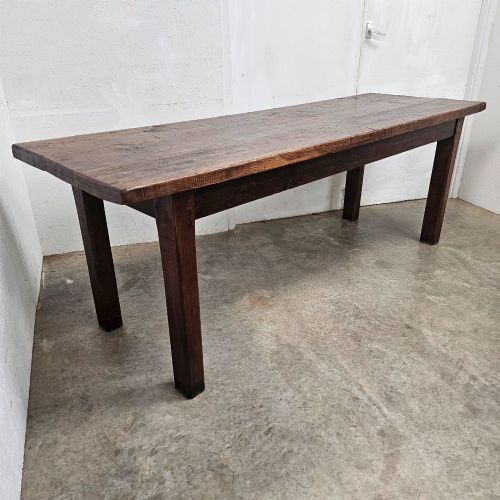
The construction typically involves a thick planked top supported by robust legs and stretchers designed for stability on uneven flagstone floors. These pieces range from simple side tables to longer refectory and dining formats utilised for communal gatherings.
Makers working within the vernacular tradition prioritised absolute utility over decorative refinement, resulting in honest proportions and unpretentious joinery. Surviving pieces carry the distinct patination accumulated through generations of daily service.
How they were made
Joiners selected solid native timbers, primarily using hard-wearing oak for structural frames and thick table tops, occasionally supplementing with elm for specific components. These boards were hand-sawn and planed, retaining the natural grain characteristics and occasional waney edges of the tree.
Construction relied upon traditional pegged mortise and tenon joints to secure the legs and underframe without relying on metal fasteners. Baluster turnings and straight stretchers were shaped on pole lathes to provide rigid lateral support.
English Oak Tavern Table Retail Price Guide 2026
Typical asking prices for english oak tavern table among the pieces listed under this phrase on Sellingantiques today, from the lower quarter to the upper quarter. They describe what is for sale here now, not the wider market.
Many of these sturdy tables carry the literal scars of history, including centuries-old pipe burns and spill marks left by thirsty eighteenth-century travellers.
What varies in quality
Quality rests primarily in the thickness of the original timber top and the integrity of the structural frame beneath. Tables retaining their authentic unaltered height and unthinned boards command greater appreciation among collectors.
The depth of the surface patination and the harmony of the timber figure distinguish superior vernacular examples from later derivations. Minimal intervention over centuries preserves the genuine character that defines a good survival.
The English Oak Tavern Table Glossary
- Patination
- The deep, lustrous surface sheen developed on timber through decades of exposure, handling and polishing. It serves as a primary visual indicator of age and authenticity.
- Stretcher
- A horizontal wooden brace connecting the legs of a table to provide structural rigidity. These often show worn areas where feet rested over centuries.
- Waney edge
- The natural, rounded edge of a timber board that still follows the irregular contour of the original tree trunk. This feature appears on vernacular tavern tables.
- Refectory table
- A long, narrow dining table historically utilised in communal eating halls. Examples in oak feature robust underframes and thick plank tops.
English Oak Tavern Table: Frequently Asked Questions
How do I clean an oak tavern table?
Maintain the surface by dusting with a dry cloth and occasionally applying traditional beeswax to nourish the dry timber. Avoid modern liquid polishes that can penetrate open grain and soften the historic finish.
Keep the table away from direct heat sources and dramatic humidity fluctuations to prevent the thick oak planks from splitting or warping. Gentle care preserves the honest character built up over centuries of use.
Were these tables actually used in pubs?
These robust surfaces served travellers and locals alike in coaching inns, alehouses and rural taverns for dining and social drinking. Their heavy construction ensured they could withstand the rigours of commercial hospitality.
Many examples also transitioned into farmhouse kitchens and domestic settings where their utility remained valued. Their survival reflects the enduring strength of traditional British country craftsmanship.
How do I date an old oak table?
Examine the tool marks left on the underside and drawer linings, looking for the irregular signatures of hand-pit sawing and adze work. The style of the leg turnings and the method of pegging joints also offer clear indicators of period manufacture.
Compare the timber shrinkage and the nature of the wear around the base against documented examples from the seventeenth and eighteenth centuries. Genuine age reveals itself in the organic integration of timber movement and honest usage.
Can I use a tavern table for dining?
These tables provide exceptionally sturdy surfaces for daily meals and seating guests comfortably in a kitchen or dining room. Their generous legroom and solid construction make them highly practical for modern family life.
Ensure you check the clearance height beneath the apron to match your dining chairs before positioning the piece. Using coasters protects the historic timber surface from moisture rings while keeping the table in active service.