
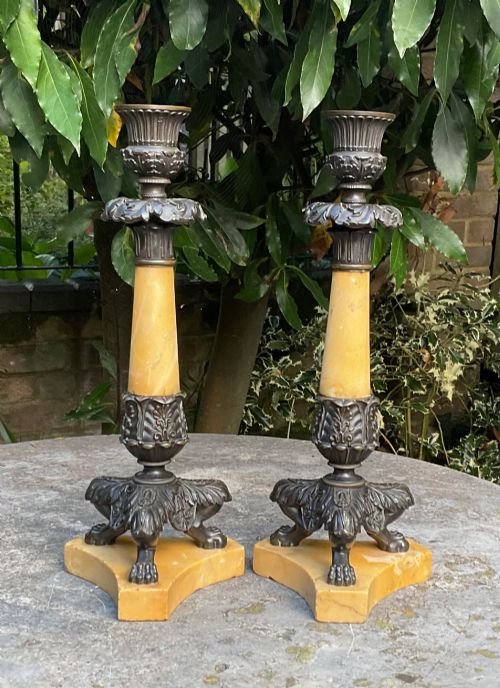
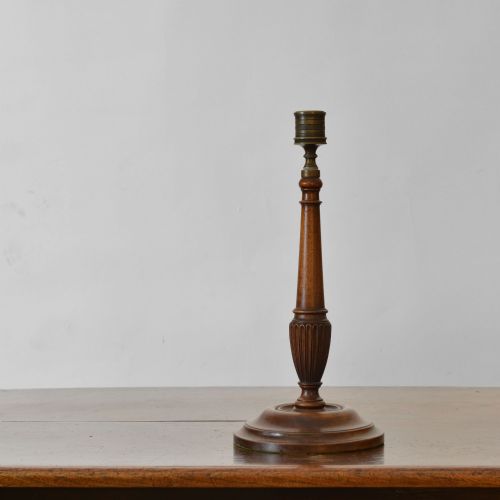
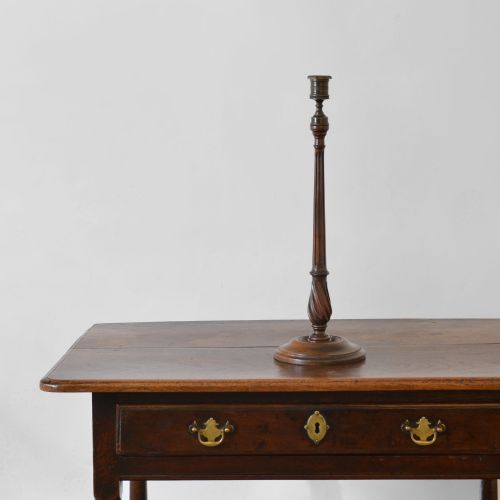
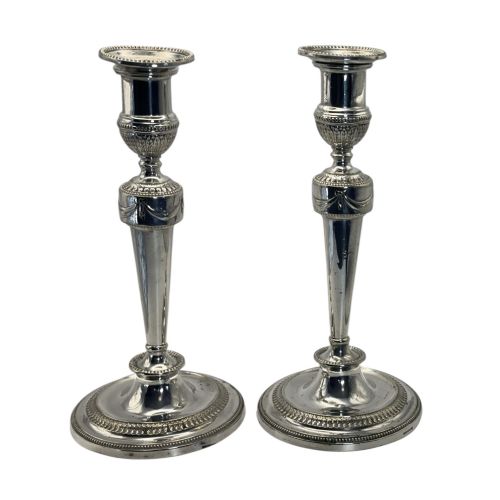

Georgian Taper Candle Holders
Georgian taper candle holders are diminutive table lighting pieces designed for carrying or sealing, and collectors prize them for their crisp casting and period proportion.
Georgian Taper Candle Holders
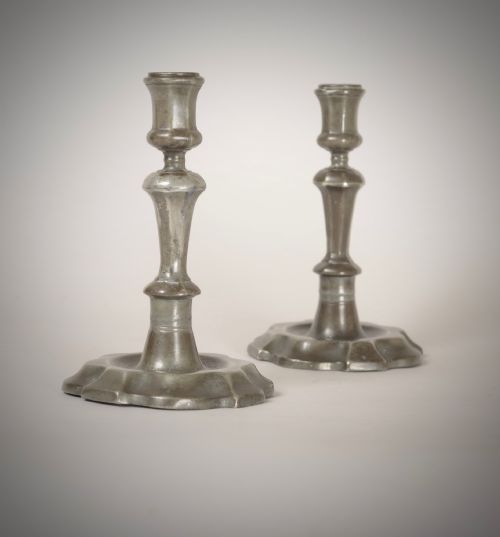
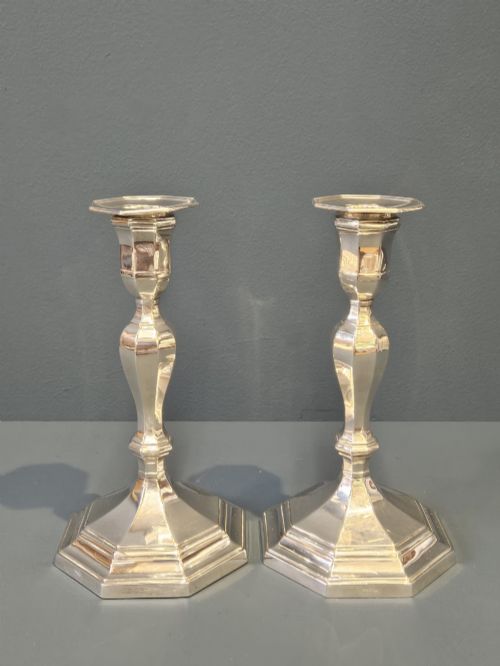
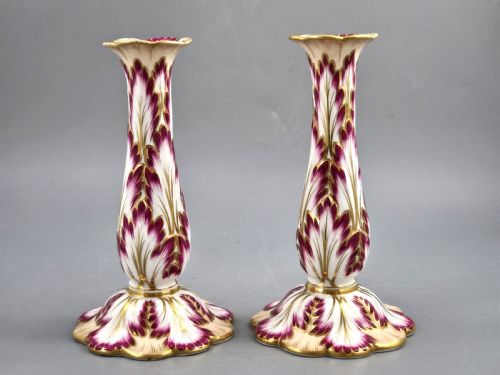
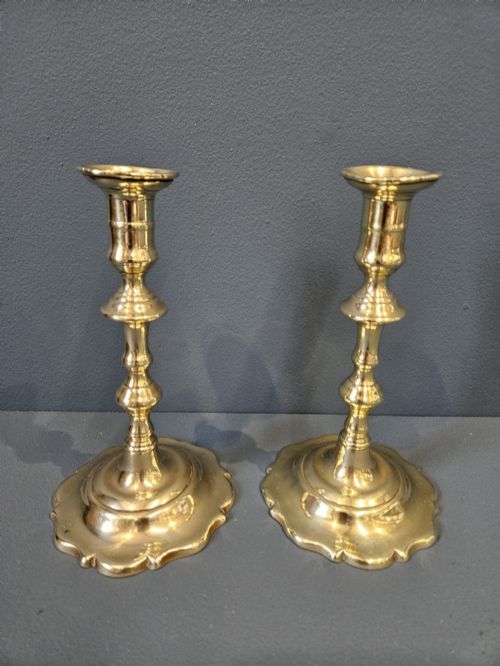
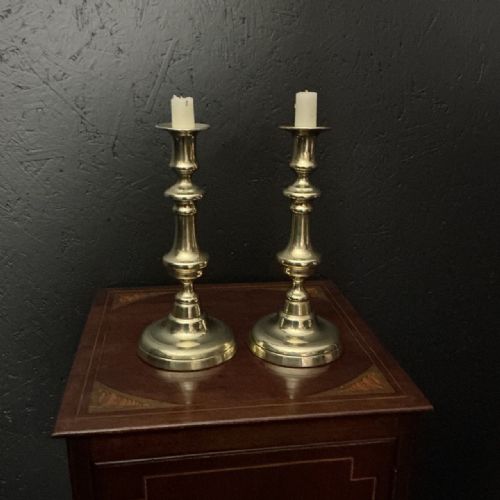
When you search for georgian taper candle holders, you encounter compact lighting pieces primarily configured as candlesticks or spill holders intended for intimate desk work or carrying a flame through a room. The examples appearing here span the eighteenth and nineteenth centuries, taking the form of diminutive brass, bronze, silver plate, and mahogany shafts designed to support narrow taper wax.
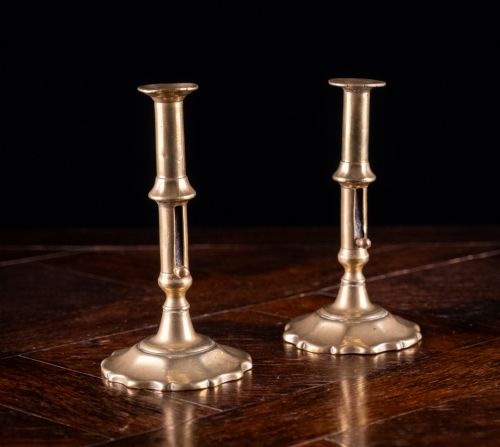
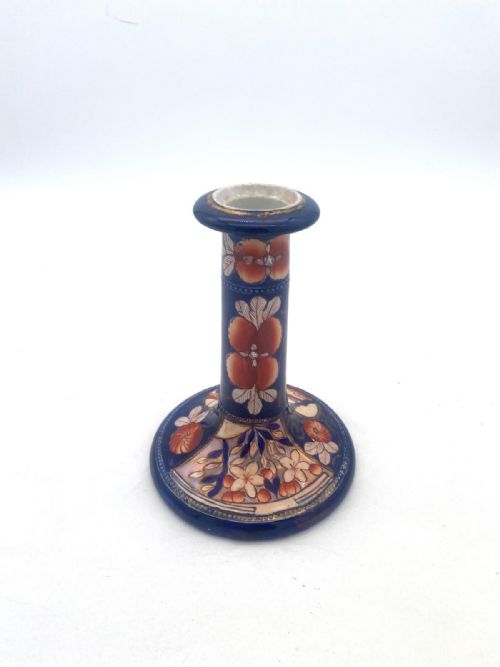
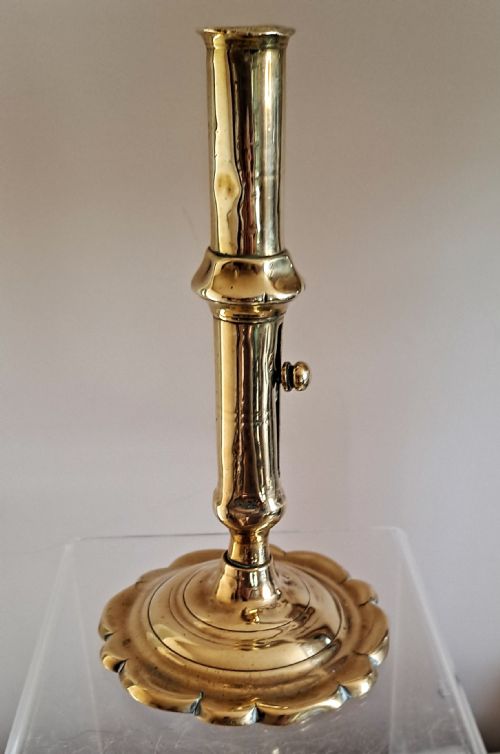
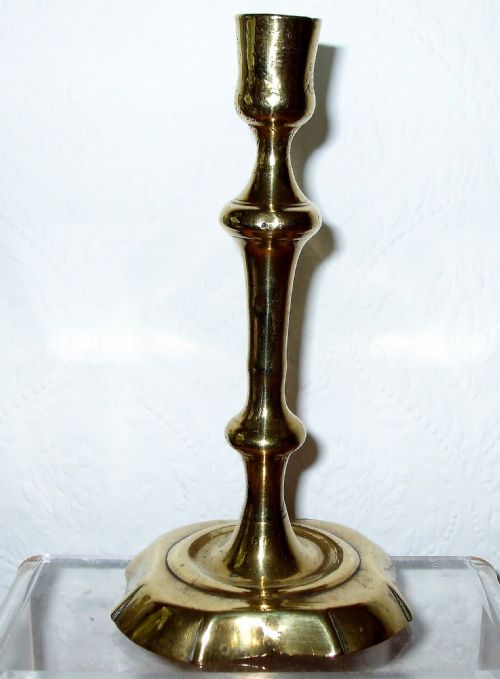
Brass versions dominate the selection, frequently displaying petal bases, column stems, or seamed construction typical of mid-eighteenth-century workshops. Alongside these functional metal pieces, you find ceramic and iron variants stretching from Queen Anne to Regency and neoclassical styles, reflecting the diverse domestic needs of their original period.
How they were made
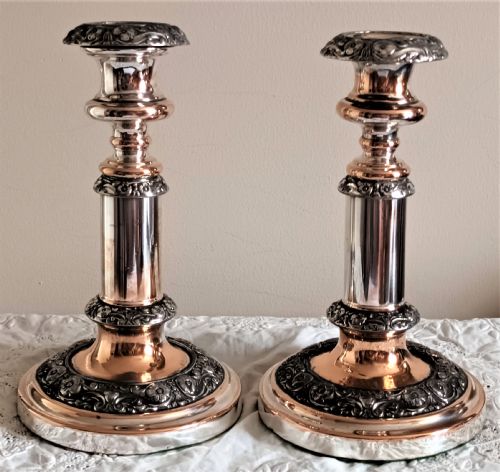
Makers utilised casting techniques for metal examples, joining seamed brass components or working solid bronze and gun metal into heavy, stable proportions. Silver plate and Old Sheffield Plate pieces involved fusing thin sheets of silver over a base metal core, while turned mahogany and iron spiral designs required specialised carpentry and blacksmithing skills.
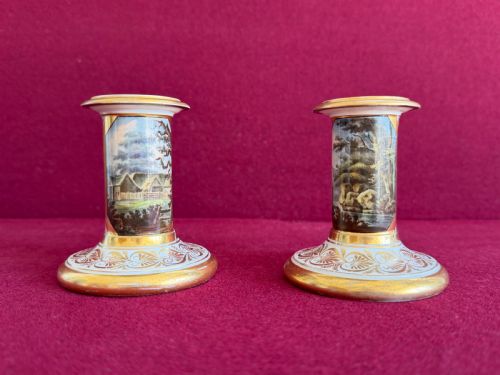
Porcelain and ironstone options, such as those from Worcester or regional potteries, were thrown or moulded, then hand-painted with underglaze colours and foliage patterns before firing. Brass items often incorporated internal ejector mechanisms to push out remaining wax remnants.
Some resilient iron spiral designs survived centuries of hearth use alongside delicate porcelain painted with schoolhouse patterns.
What varies in quality
The distinction between ordinary utility pieces and superior examples rests on the crispness of the casting and the retention of original components. Sharp detailing on petal bases and clean turnings on columns separate better workshops from mass production, while heavy gauge metals provide a more satisfying weight in the hand.
Surface finish and patination dictate visual success, with untouched aged bronze and mellow brass surfaces holding greater appeal than over-polished examples. Original elements, such as matching ejector stems or unblemished silver plating over copper and base metals, elevate the standing of a pair.
Mappin & Webb·Masons Ironstone·Ridgway·Barr Flight And Barr·J Miller
The Georgian Taper Candle Holders Glossary
- Petal base
- A scalloped or lobed foot configuration popular on eighteenth-century candlesticks, providing a stable foundation with decorative curvature.
- Ejector
- A built-in internal mechanism utilising a small thumb slide to push remaining candle stubs out of the socket.
- Old Sheffield plate
- An early fused plating technique where a thin layer of silver is bonded to a copper base, visible where edges wear through.
- Spill holder
- A small vessel designed to hold slender wooden spills used for transferring a flame from the hearth to a candle or pipe.
- Neoclassical
- A late eighteenth-century style drawing inspiration from classical antiquity, marked by strict symmetry, columns, and restrained ornamentation.
Georgian Taper Candle Holders: Frequently Asked Questions
What is a taper candle holder?
A taper candle holder is a smaller version of a standard candlestick, built specifically to hold thin wax tapers used for lighting pipes, fires, or sealing letters with wax.
These pieces were kept on desks, dressing tables, or carried through hallways during the eighteenth and nineteenth centuries.
How do I tell eighteenth century brass from later copies?
Early brass pieces often feature seamed construction where the stem joins the base, visible through internal seams and individual casting irregularities.
Later reproductions typically employ modern machine tooling, uniform wall thicknesses, and lack the deep patination accumulated over centuries of handling.
What is Old Sheffield plate?
Old Sheffield plate is an early composite material created by fusing a thin sheet of sterling silver to a copper ingot and rolling them together under heat.
This technique produced lighter, more affordable items that show faint copper undertones along high-wear edges over time.
How were these used daily?
Households relied on them for portable illumination before gas lighting and electricity became widespread in domestic spaces.
They sat within easy reach in parlours and bedchambers, ready to be picked up by their handles or bases when moving between dark rooms.