






Georgian Tabletop Desk
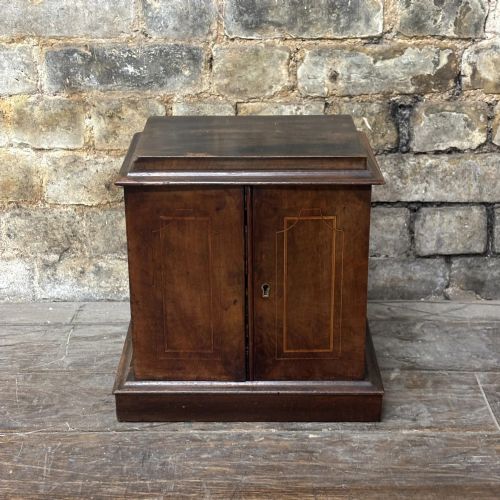
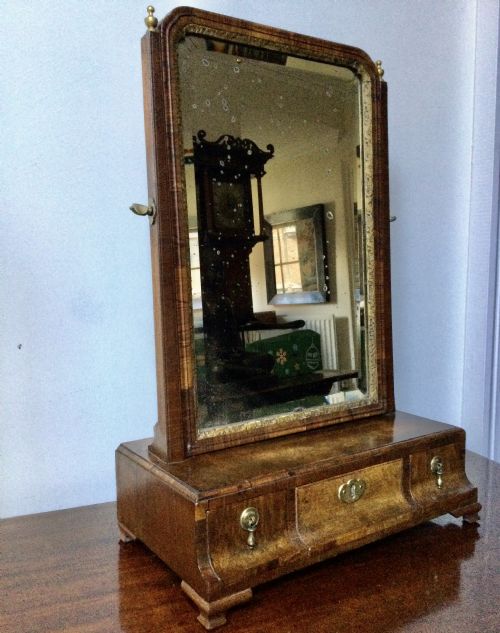
Georgian tabletop desk examples are compact writing pieces and small companions that bring period craftsmanship directly to your surface.
Georgian Tabletop Desk
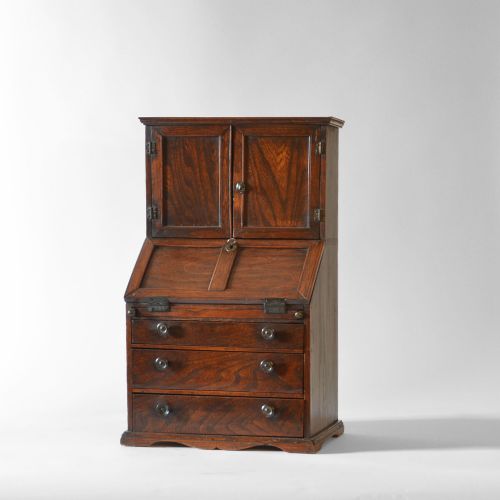
A georgian tabletop desk encompasses small portable writing pieces, miniature chests of drawers, and bureau cabinets designed for use on top of standard tables. These items serve as functional storage for correspondence and documents without taking up the floor space of a full-sized bureau.
The pieces you encounter most frequently on this page span the eighteenth and nineteenth centuries, taking the form of oak, mahogany, or rosewood boxes with fitted interiors. They include miniature kneehole desks, sloped writing boxes, and table top drawers that replicate the joinery of larger furniture on a reduced scale.
How they were made
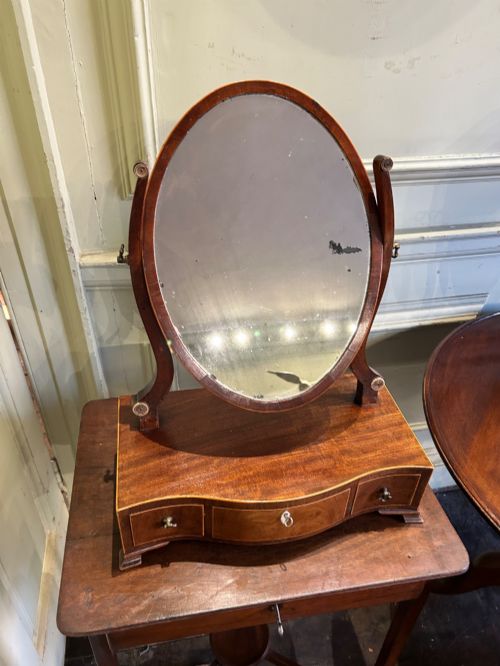
Cabinet makers constructed these small items using hardwoods like mahogany, oak, and rosewood, often accented with boxwood stringing or brass handles. The timber is joined with traditional methods suited to miniature proportions, ensuring structural integrity despite the reduced scale.
Surfaces feature polished wood finishes that highlight the grain, while fitted compartments utilise thin secondary timbers for internal dividers and small drawer linings. Brass escutcheons, hinges, and drop handles secure the moving parts and provide functional lifting points.
Georgian Tabletop Desk Retail Price Guide 2026
Typical asking prices for georgian tabletop desk among the pieces listed under this phrase on Sellingantiques today, from the lower quarter to the upper quarter. They describe what is for sale here now, not the wider market.
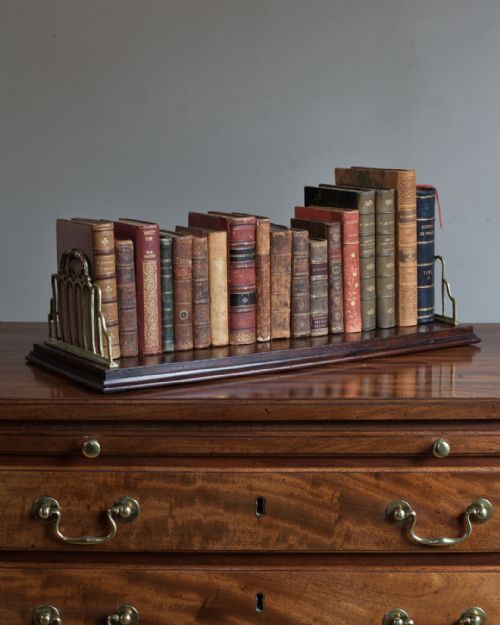
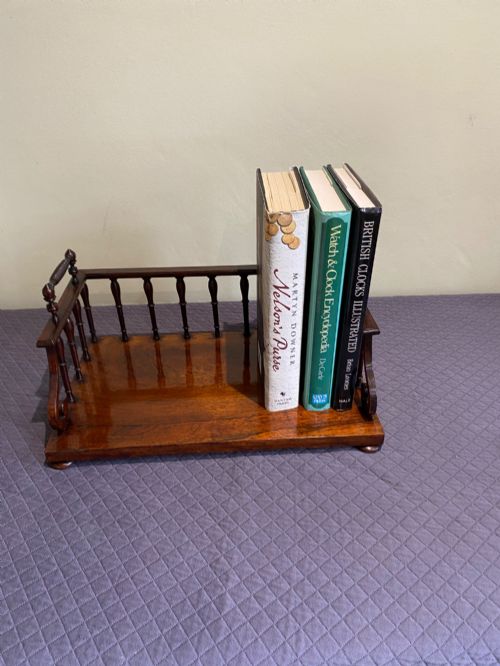
Listings feature mahogany, oak, rosewood, and elm across eighteenth and nineteenth-century forms including miniature furniture, book trays, and stationery cabinets.
What varies in quality
The distinction between standard and superior pieces rests on the choice of timber and the precision of the internal fittings. Finer examples display carefully matched wood veneers, meticulous dovetail joints on the small drawers, and original brass hardware.
Proportion and execution define the better specimens, where miniature forms mirror full-sized furniture accurately rather than appearing clumsy. The integrity of the secondary woods and the survival of original interior compartments elevate the standing of a piece.
The Georgian Tabletop Desk Glossary
- Apprentice chest
- A small chest of drawers made by a learner to demonstrate competence in cabinet making. These pieces often duplicate the construction methods of full-sized furniture.
- Dovetail
- A joint formed by interlocking wedge-shaped fingers, commonly used in drawer construction. This method provides strong tensile strength without requiring metal fasteners.
- Escutcheon
- A protective plate surrounding a keyhole, usually made of brass. It prevents the wood surrounding the lock from wearing down through repeated use.
- Kneehole
- A recessed space beneath the central part of a desk designed to accommodate the user's legs. Miniature versions scale this architectural feature down to tabletop dimensions.
Georgian Tabletop Desk: Frequently Asked Questions
What is a georgian tabletop desk used for?
These compact pieces provided a dedicated writing surface and secure storage for letters and documents before the widespread use of fitted study rooms.
Owners kept stationery, ink, and personal papers inside the small compartments and drawers for daily correspondence.
How do I care for mahogany surfaces?
Keep the wood away from direct sunlight and heat sources to prevent the timber from drying out or splitting.
Apply a traditional wax polish occasionally and buff gently with a soft cloth to maintain the natural sheen.
Are apprentice pieces different from standard desks?
Apprentice chests and small desks were created as proficiency demonstrations rather than standard commercial items.
They match the construction quality of larger furniture but exist in reduced dimensions.
Where should I place a tabletop desk?
Position the piece on a sturdy table or sideboard where its proportions can be appreciated without risk of falling.
Ensure the location avoids damp environments to protect the historic timber and internal brass fittings.