
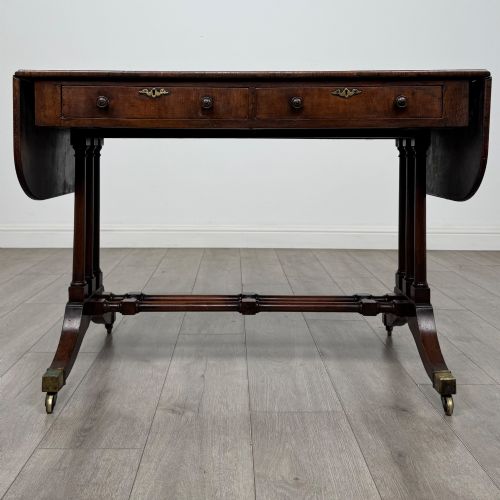
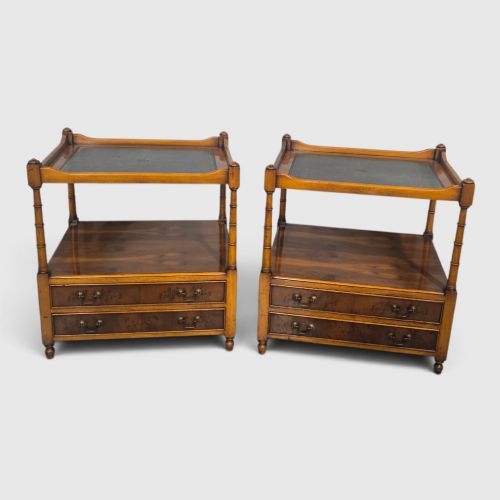

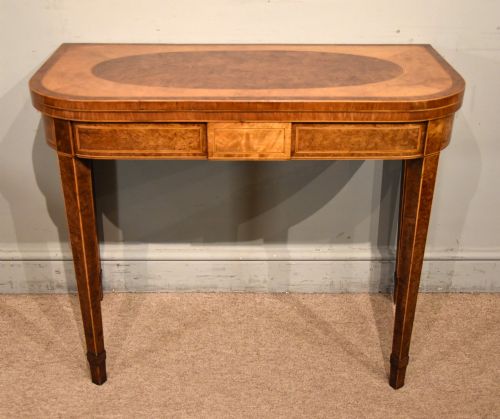
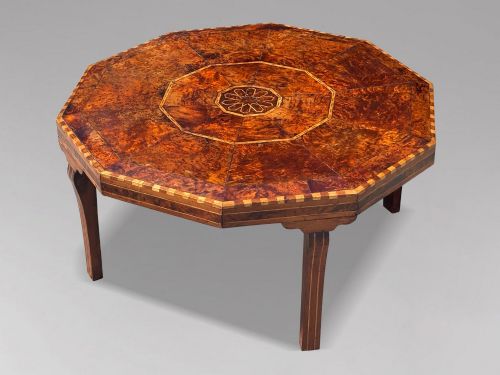
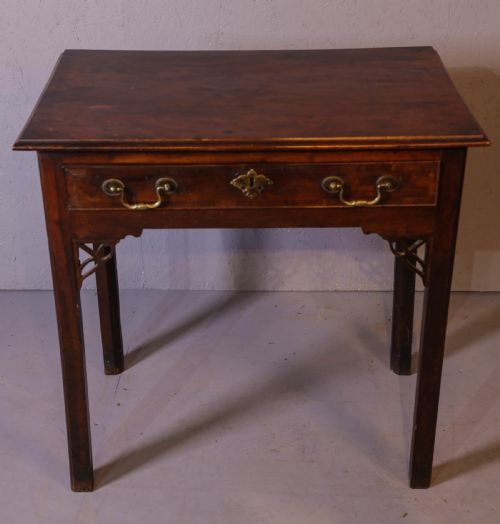


Georgian Style Yew Table
A georgian style yew table brings rich timber figure and classic proportions to a room, offering both practical surface area and historical character.
Georgian Style Yew Table
When you search for a georgian style yew table, you encounter a range of forms designed for domestic use across multiple centuries. Side tables, lamp tables, card tables and coffee tables appear frequently among the listings, alongside bureaux and occasional tables.
The pieces on this page span several distinct periods including 18th century, George III, Regency style, 19th century and Victorian eras, as well as later 20th century interpretations from 1920 and 1930. Side tables and lamp tables are the versions you are most likely to meet on this page.
Origins vary from authentic Georgian construction to later revivals adopting Georgian and Regency design idioms. Makers utilised traditional forms to create versatile furniture that functions effectively in modern interiors.
How they were made
Cabinet makers constructed these tables using solid yew and yew wood veneers, often selecting burr yew for its striking, swirling grain patterns. Supporting materials such as mahogany appear in certain multi-tiered pieces like nests of tables.
Surface decoration frequently involves contrasting timbers, with satinwood, boxwood and walnut used for delicate inlay and banding details. Brass mounts and leather writing surfaces also feature on specific desk and table variants.
Joinery techniques follow traditional workshop practices, utilising wood veneers applied to stable secondary timbers and incorporating fine boxwood stringing into table tops and drawer fronts.
Materials recorded across the inventory include yew, burr yew, satinwood, boxwood, walnut, brass and leather.
What varies in quality
Quality rests significantly on the selection of timber and the complexity of the veneer work. Tables featuring richly figured burr yew and precise boxwood or satinwood inlay stand apart from simpler iterations.
The sophistication of the joinery and the integrity of the secondary woods dictate the overall standard of a piece. Finer examples display meticulous attention to proportion, balanced grain matching across surfaces and crisp detailing in any inlaid borders.
Age and provenance further differentiate the pieces, with original 18th century and George III examples carrying distinct historical weight compared to later Victorian and 20th century interpretations.
George Bullock·Gillows
The Georgian Style Yew Table Glossary
- Burr yew
- A timber derived from the abnormal growth of a yew tree, producing a dense, highly figured grain pattern prized for decorative veneer. Cabinet makers used it on prominent surfaces like table tops.
- Yew wood
- A native British timber known for its warm honey and amber tones combined with a fine, dense texture. It serves as the primary material for both solid construction and decorative veneering.
- Inlay
- A technique where pieces of contrasting wood such as boxwood or satinwood are inserted into recesses within the primary surface to create geometric patterns or borders. This adds visual refinement to table tops and friezes.
- George III
- A design period spanning the late 18th and early 19th centuries characterised by classical restraint, elegant proportions and refined use of mahogany and yew veneers. Pieces from this era often exhibit superior craftsmanship.
- Side table
- A functional domestic table designed to stand against a wall or beside seating furniture. The listings include numerous examples configured for lamp placement or general display.
Georgian Style Yew Table: Frequently Asked Questions
What rooms suit a yew table?
These tables adapt well to living rooms, studies and hallways where their warm timber tones complement traditional and eclectic interiors. Their varied forms allow them to function as lamp stands, side supports or occasional writing desks.
The compact proportions of many surviving examples ensure they fit comfortably beside seating or against empty wall spaces without dominating the room.
How do I care for yew wood?
Maintain the timber by keeping it away from direct heat sources and strong sunlight, which can dry out the wood and fade polished surfaces. Regular dusting with a soft, dry cloth preserves the natural lustre of the finish.
Avoid applying silicone-based polishes or excessive moisture, as traditional wax finishes respond best to gentle, periodic waxing.
How do I distinguish older pieces?
Examine the construction methods, timber selection and secondary woods visible beneath or inside the piece. Eighteenth-century and George III examples typically show hand-cut joinery and signs of age consistent with long use.
Later Victorian or 19th-century interpretations often incorporate machine-cut elements or differing secondary timbers while maintaining the classic Georgian aesthetic.
Were these tables used for dining?
Most pieces found in these listings serve as side tables, lamp tables or occasional furniture rather than primary dining tables. Their dimensions and lightweight construction make them better suited for holding smaller objects or occasional writing.
Card tables and larger pedestal centre tables offer specific surface utilities suited to games or display rather than communal dining.