



Georgian Style Tea Urn
A georgian style tea urn brings classic proportion and period ritual into a room, offering both decorative presence and historical utility.
Georgian Style Tea Urn
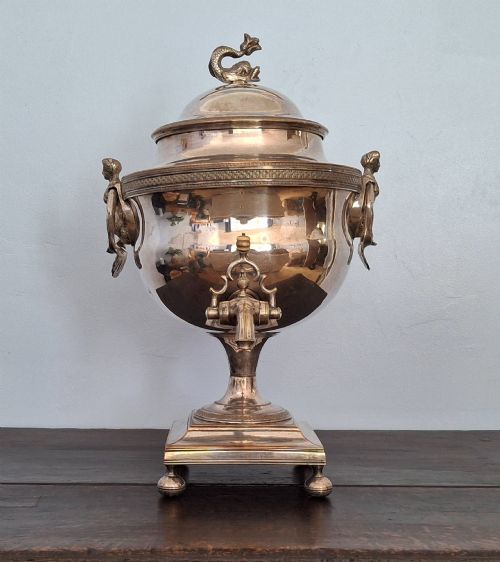
A georgian style tea urn encompasses vessels and stands designed for the preparation and service of tea, drawing on designs from the eighteenth and nineteenth centuries. These pieces reflect the formal hospitality of their era, serving as both functional water heaters and striking decorative focal points.
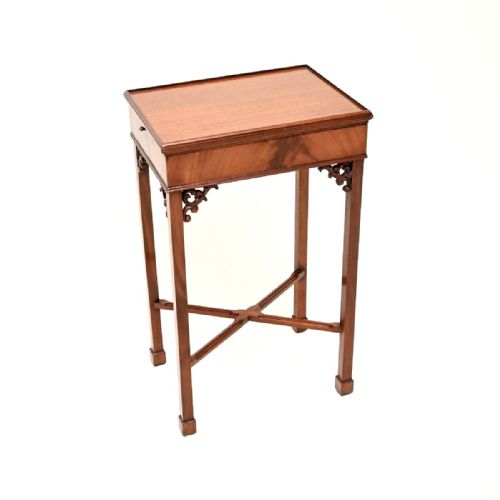
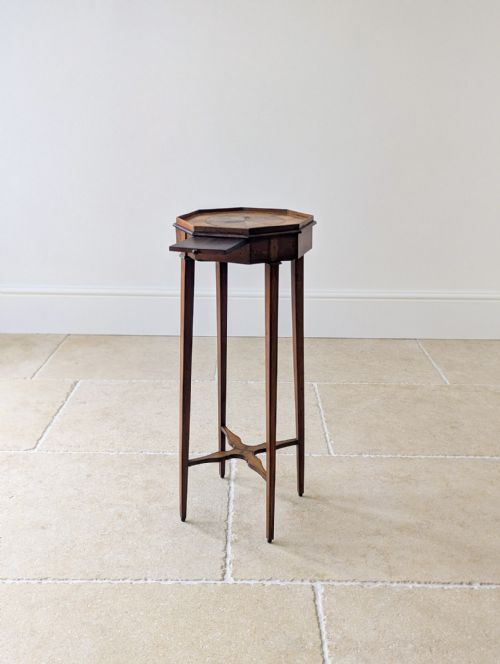
Buyers browsing this selection will encounter silver plate samovars, solid silver pieces, and associated mahogany stands or occasional tables. The assortment bridges authentic period items from around eighteen hundred alongside later revivals stretching into the twentieth century.
Materials and construction
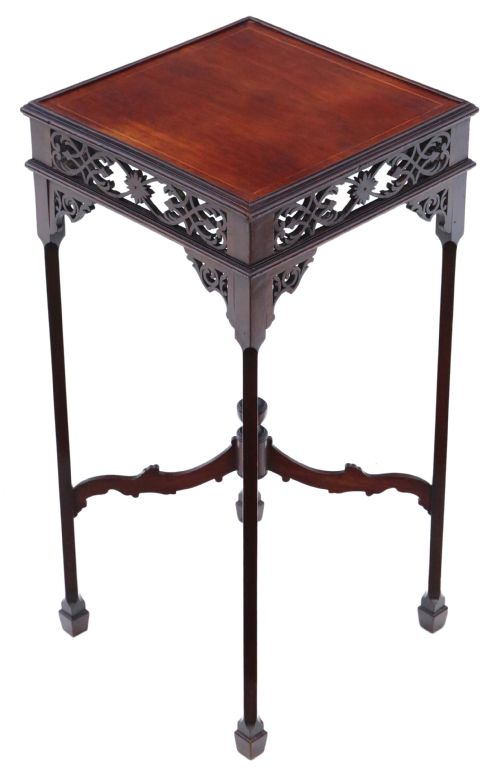
The construction of these pieces relies heavily on fine timbers such as mahogany and satinwood, frequently enhanced with intricate inlay, ebony details, and carved mahogany supports. Cabinetmakers employed traditional joinery techniques to build sturdy urn stands, kettle tables, and occasional furniture designed to bear heavy metal vessels.
Metalwork versions utilise silver plate, sterling silver, copper, and bronze to form the bodies of samovars and kettles on stands. Silversmiths and metalworkers shaped these durable alloys to withstand heat while maintaining polished, decorative surfaces.
Listings span multiple centuries, uniting late eighteenth century Georgian originals with Edwardian solid silver items and nineteen-twenties mahogany tables.
Assessing quality and craftsmanship
Quality in these objects is determined by the crispness of the carving on wooden stands and the purity of the metals used in the samovars. Superior examples display precise inlay work, balanced proportions, and substantial weight in both the timber frames and the metal vessels.
The distinction between standard production and top tier work lies in the hand-finished details, such as finely chased mounts on silver plate and the careful selection of figured mahogany veneer. Maker attribution and period integrity further elevate the standing of individual pieces within the range.
Goldsmiths and Silversmiths Co
The Georgian Style Tea Urn Glossary
- Samovar
- A heated metal container traditionally used to boil water for tea in Russia and adopted into British domestic interiors. These vessels often feature spigots and internal heating tubes.
- Tea Urn
- A large, footed vessel designed to hold hot water for tea service during formal gatherings. They usually incorporate handles and a tap near the base for easy dispensing.
- Inlay
- A decorative technique where contrasting materials such as lighter woods or dark ebony are inserted into recessions within the primary mahogany surface. This method creates geometric or floral patterns across table tops and stands.
- Silver Plate
- A manufacturing process applying a thin layer of silver over a base metal such as copper or brass. This allowed makers to achieve the luxurious appearance of solid silver at a lower production cost.
- Chippendale
- A classic eighteenth century furniture style characterised by ornate carving, cabriole legs, and Chinese or Gothic lattice influences. Revival pieces often emulate these distinct decorative motifs.
Georgian Style Tea Urn: Frequently Asked Questions
What is a georgian style tea urn used for?
These vessels were originally filled with boiling water to replenish teapots during formal social gatherings in large houses. They served a central role in the domestic ritual of tea service.
Today, collectors primarily display them as decorative centrepieces or utilise associated stands for lamps and occasional table use.
How do I clean silver plate samovars?
Silver plate requires gentle cleaning with dedicated silver polish and a soft cloth to avoid damaging the underlying metal layer. Regular dusting helps maintain the lustre without abrasive scrubbing.
Harsh chemical dips should be avoided, particularly on antique pieces with patinated surfaces or delicate soldered joints.
Are these pieces from the eighteenth century?
The selection includes authentic items from the late eighteenth century alongside nineteenth century examples and twentieth century revivals. Each piece reflects the aesthetic preferences of its specific period of manufacture.
Examining the construction methods, wood types, and metal hallmarks helps determine whether an object is an original period piece or a later revival.
How do I style a tea urn stand at home?
Urn stands and occasional tables work effectively in living rooms and reception spaces as side tables or display surfaces for decorative objects. Their compact footprints allow them to fit beside armchairs or against panelled walls.
Pairing the stand with period accessories or keeping the surface clear highlights the quality of the mahogany timber and inlay work.