




Regency Hot Water Samovar
Regency hot water samovar pieces are striking vessels designed to heat water for tea, offering a handsome focal point for any period interior.
Regency Hot Water Samovar
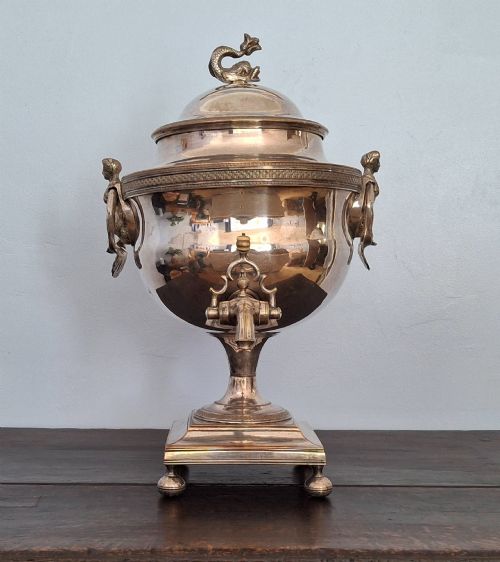
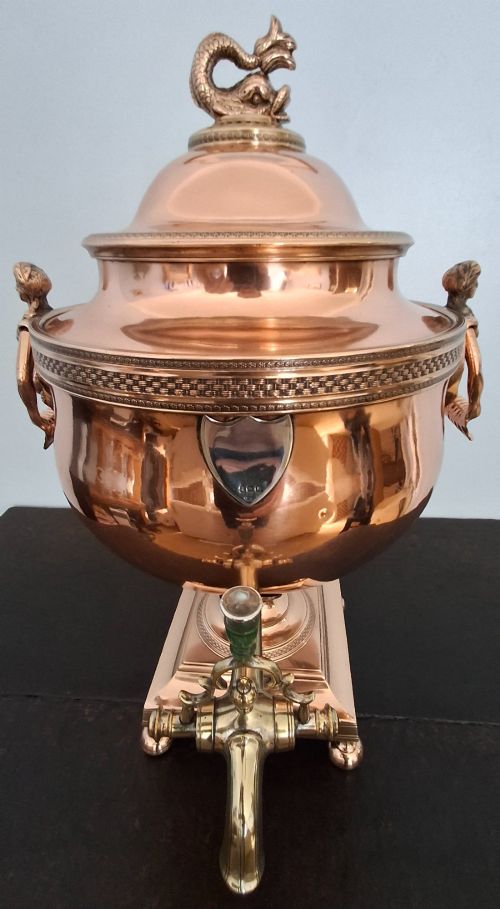
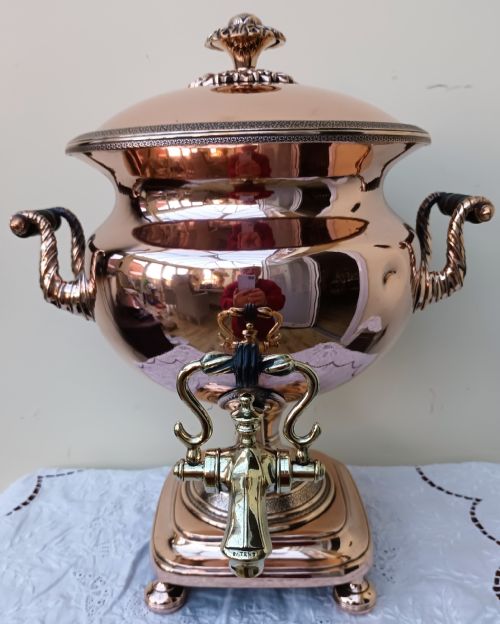
A regency hot water samovar is a grand vessel designed for heating and dispensing water, central to the formal tea rituals of the early nineteenth century. These pieces typically take the form of urns, combining practical function with high decorative elegance for the tea table.
The versions most commonly met on this page date from the Georgian and Regency periods, specifically around the turn of the nineteenth century. Examples span years such as eighteen hundred and eighteen hundred and six, reflecting the neoclassical taste of the era.
Originating largely from English workshops, these items serve as both utilitarian water heaters and sculptural metalwork. Collectors encounter forms described variously as tea urns and samovars, often retaining their original proportions and internal heating elements.
How They Were Made
Materials recorded in the evidence rely heavily on base metals such as copper, brass, and bronzed copper, alongside finer finishes of silver plate. Artisans shaped these conductive metals to ensure the vessels held heat efficiently while providing a solid structural foundation.
Surface treatments range from the warm reddish tones of plain copper to sophisticated bronzed copper and reflective silver plate over Sheffield bases. Details often incorporate contrasting elements like bone for handles or spigot fittings, ensuring safe operation away from hot metal.
Regency Hot Water Samovar Retail Price Guide 2026
Typical asking prices for regency hot water samovar among the pieces listed under this phrase on Sellingantiques today, from the lower quarter to the upper quarter. They describe what is for sale here now, not the wider market.
Listings span the nineteenth century, focusing heavily on Georgian and Regency styles executed in copper, brass, and silver plate.
What Varies in Quality
Quality in a regency hot water samovar rests on the crispness of the neoclassical proportions and the integrity of the metalwork. Finer examples display harmonious balance between the body, handles, and spigot, whereas lesser items can feel blocky or lack architectural refinement.
The choice of material and finish dictates the upper tier of the range, with substantial bronzed copper or quality Sheffield silver plate marking out superior workshops. Decorative embellishments integrated into the design distinguish standard utilitarian pieces from high decorative commissions.
The Regency Hot Water Samovar Glossary
- Samovar
- A heated metal vessel traditionally used to boil and heat water for tea. These containers sit on a pedestal base and often include an internal heating tube or block.
- Tea Urn
- An alternative term for a large-scale vessel used in tea service. They share the structural form of an urn but focus specifically on water delivery for social gatherings.
- Sheffield Plate
- A composite material formed by fusing a sheet of silver to a thicker bar of copper. This technique allowed makers to produce luxurious silver-finished wares with a durable copper core.
- Bronzed Copper
- Copper treated with an acid or chemical solution to produce a rich, dark brown patina. This finish mimics the appearance of cast bronze while utilising lighter copper sheet metal.
Regency Hot Water Samovar: Frequently Asked Questions
What is a regency hot water samovar?
A regency hot water samovar is a large metal vessel built to heat and dispense water for tea during the early nineteenth century. These pieces combine utilitarian heating functions with sculptural neoclassical design.
They sit on decorative bases and often feature taps, handles, and internal chambers for hot coals or metal heaters.
How were samovars used originally?
These vessels stood on the tea table to maintain a steady supply of boiling water for guests. Servants or hosts operated the spigot to fill teapots as needed throughout the gathering.
Their substantial capacity made them practical centerpieces for large domestic households during the Georgian and Regency eras.
What materials make up these urns?
Makers utilised a variety of metals including copper, brass, and bronze, often applying silver plate over a Sheffield base. Details like bone frequently appeared on handles to insulate against heat.
Finishes range from polished metallic surfaces to dark bronzed copper treatments popular in the early eighteen hundreds.
How do I date a tea urn?
Dating relies on stylistic markers such as neoclassical urn shapes, pedestal bases, and specific manufacturing techniques like Sheffield plating. Many pieces carry stylistic traits tied strictly to the Regency period between seventeen ninety-five and eighteen thirty-seven.
Material choices, such as bronzed copper or early nineteenth-century silver plate, further help narrow the period of creation.