
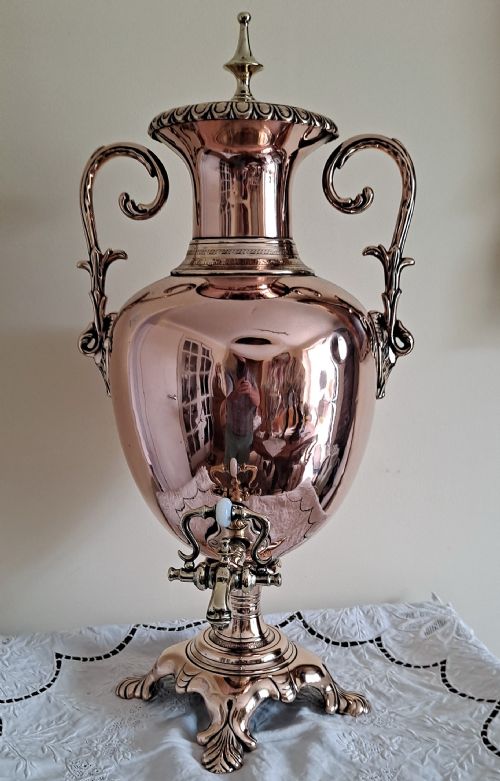
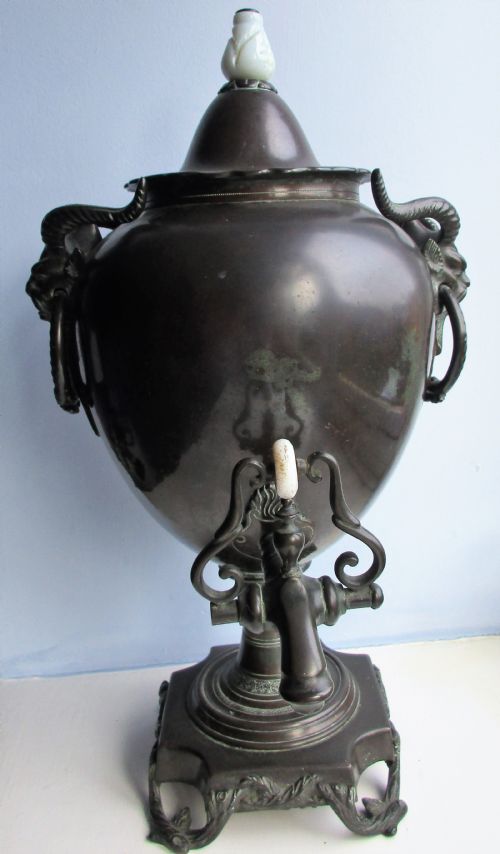


Antique Metal Tea Dispenser
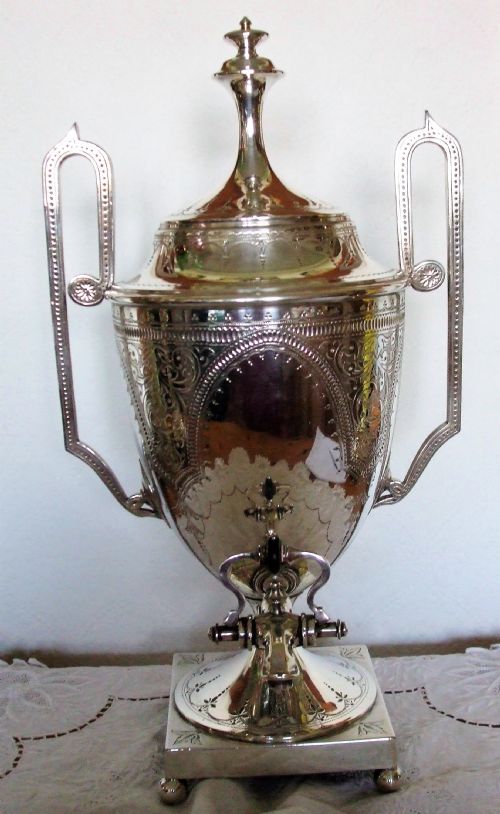
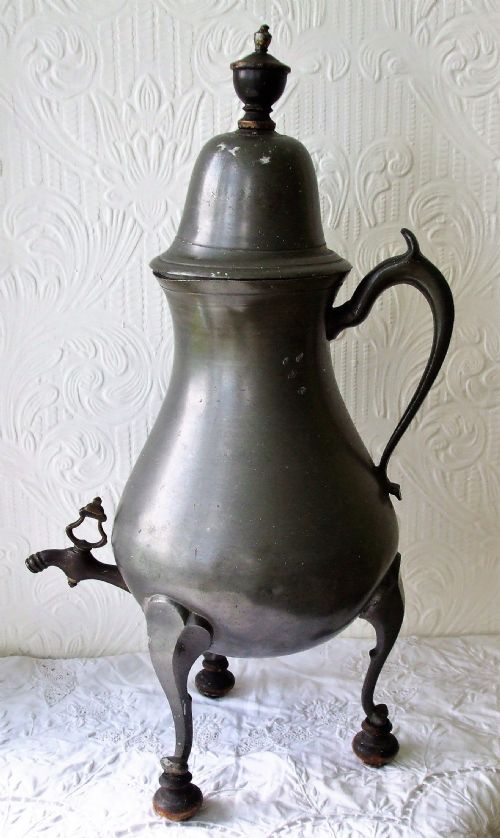
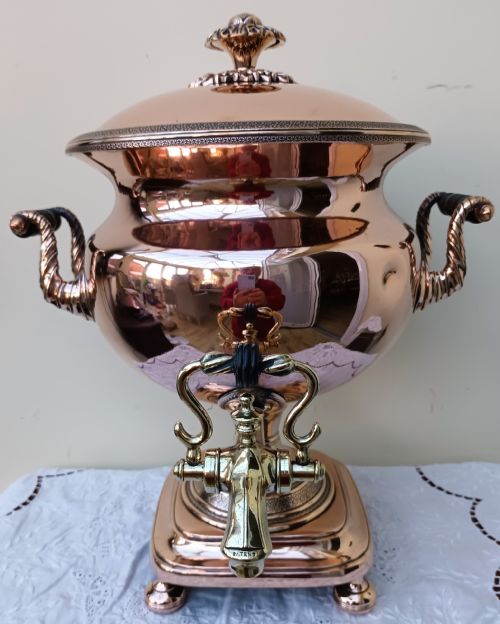
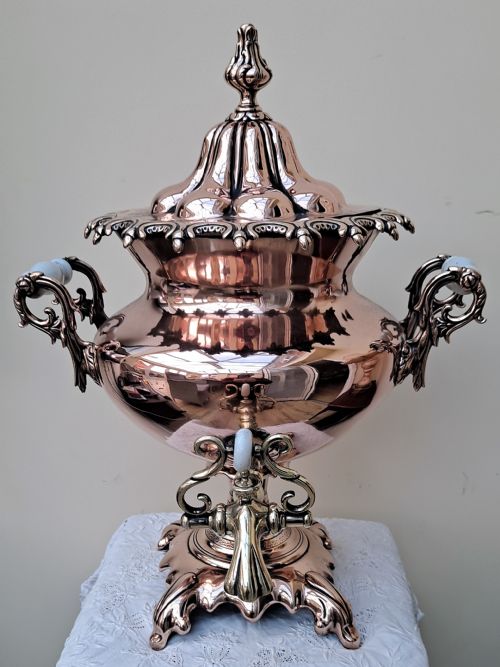
These antique metal tea dispensers are grand vessels designed to heat water and serve tea, bringing period charm to any room.
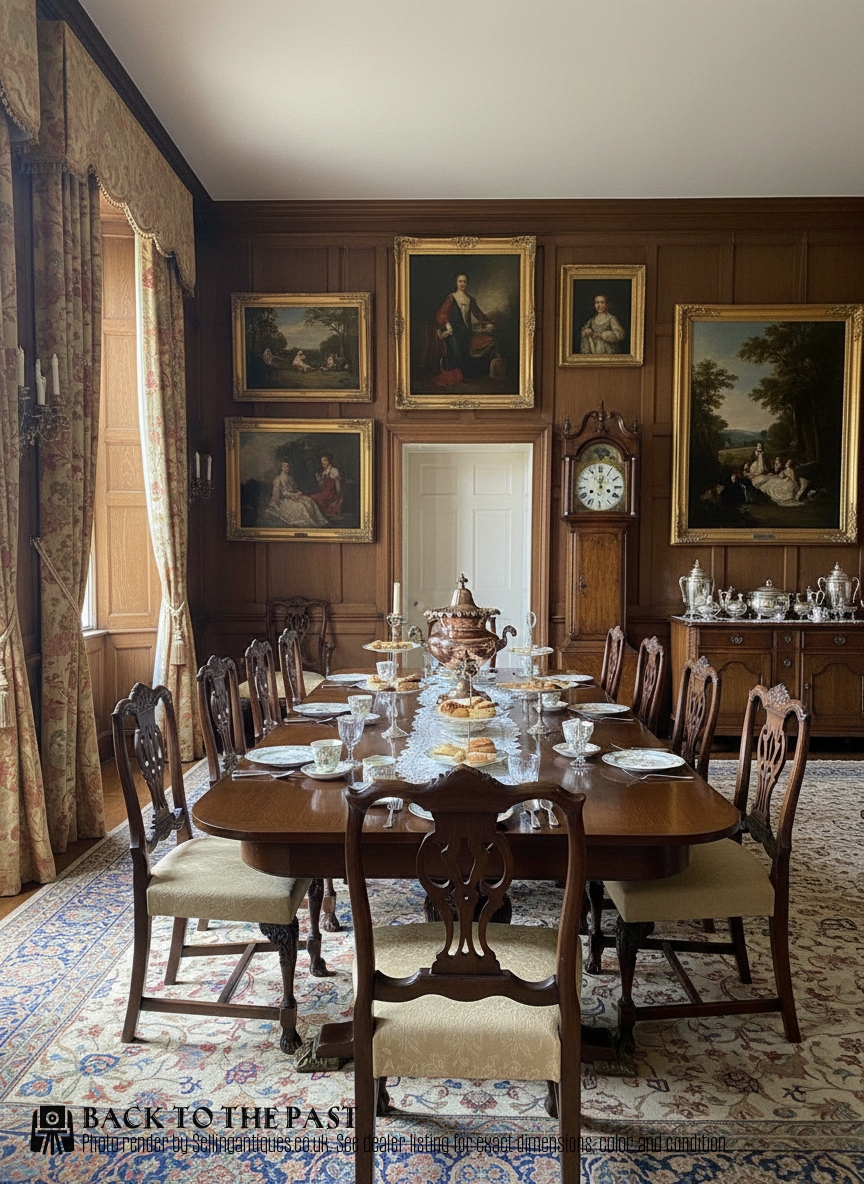
Antique Metal Tea Dispenser
An antique metal tea dispenser takes the form of a tea urn, samovar, or water urn, originating across the Georgian, Regency, and Victorian periods. These pieces served as the centrepiece of formal tea hospitality in large households.
The selections available here showcase diverse objects including copper and brass samovars alongside silver-plated tea urns. Makers produced these vessels to hold hot water, often utilising an internal heating pipe or charcoal chamber.
Materials and Construction
Metals such as copper, brass, pewter, and silver plate form the primary bodies of these dispensers, sometimes accented with bone or ceramic fittings. Artisans hammered or spun sheet metal into substantial urn shapes before mounting working taps.
Japanned finishes and bronzed copper treatments appear on specific Victorian and Regency examples like Pontypool ware. Craftsmen incorporated brass handles and spigots to combine utility with decorative contrast.
Listings combine 19th Century, Georgian, and Regency periods with materials including copper, brass, silver plate, pewter, and ceramic.
Judging Quality in Metal Vessels
Superior examples retain their original internal fittings, taps, and handles without major replacement parts. The thickness of the metal body and the crispness of any applied brass or cast detail indicate the skill of the original workshop.
Surface patination and the integrity of the silver plate or japanned finish distinguish better-preserved specimens. Pieces bearing identifiable retailer or maker marks carry additional documentary interest.
Walker and Hall·Benetfink and Co
The Antique Metal Tea Dispenser Glossary
- Tea Urn
- A large, footed metal vessel equipped with a tap at the base for dispensing hot water. These pieces emerged in neoclassical forms during the eighteenth and nineteenth centuries.
- Japanned Ware
- European metal or papier-mâché finished with a hard, glossy black or coloured lacquer resembling Japanese varnish. Pontypool ware represents a notable British application of this technique.
- Silver Plate
- A thin layer of silver applied to a base metal such as copper or Britannia metal. Sheffield plate and later electroplate methods achieved this durable coating.
Antique Metal Tea Dispenser: Frequently Asked Questions
What periods do these tea dispensers cover?
The listings span from the eighteenth century through the Georgian and Regency eras into the Victorian and Edwardian periods. Each era brought distinct stylistic shifts in metalwork.
Georgian and Regency pieces often display neoclassical urn shapes, while Victorian examples introduce heavier proportions and diverse japanned or silver-plated finishes.
Are pewter coffee urns rare?
Pewter examples from the Georgian and eighteenth-century periods appear less frequently than copper or silver-plated counterparts. Their survival depends on the durability of the tin alloy.
These pieces offer a softer metallic lustre compared to bright brass or polished copper vessels.
How do I clean an antique copper urn?
Gentle dusting with a soft cloth preserves the existing dark patination that collectors prefer. Heavy commercial metal polishes should be avoided as they remove historical surface character.
Keeping the metal dry prevents active oxidation and protects any original protective coatings applied by past owners.