





Traditional Copper Tea Urn
These traditional copper tea urn pieces are heavy metal vessels built for hot water, bringing warmth and presence to any historic room.
Traditional Copper Tea Urn
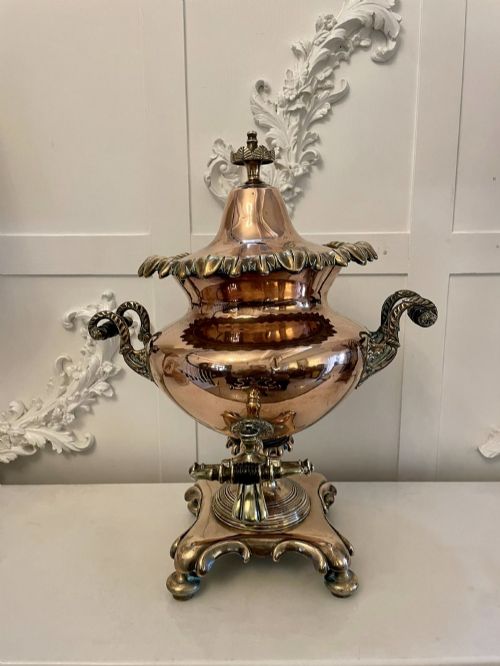
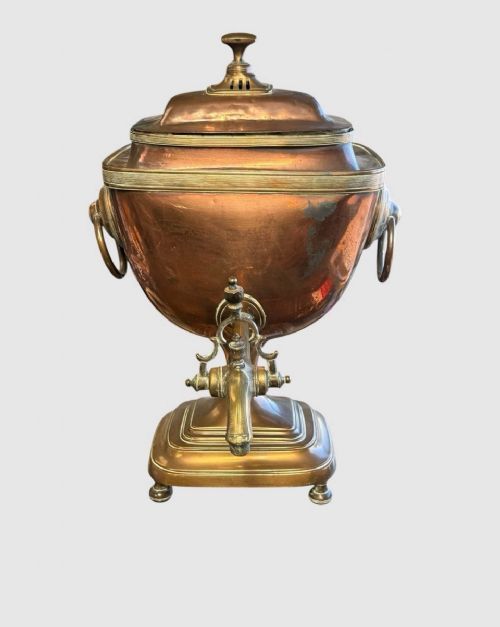
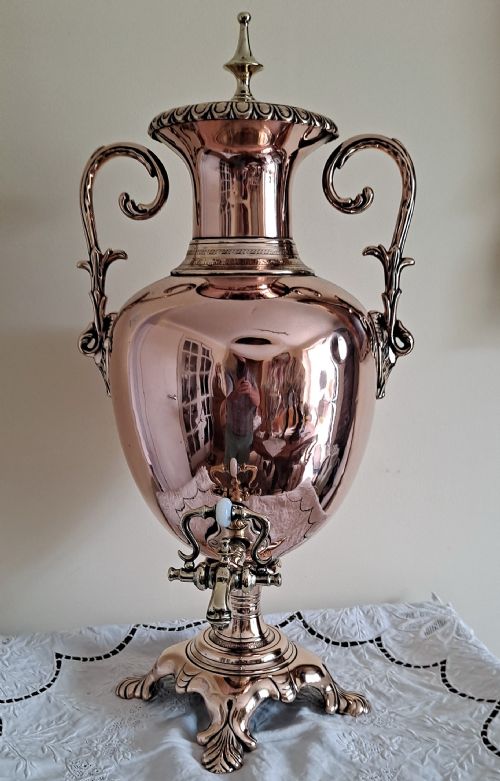
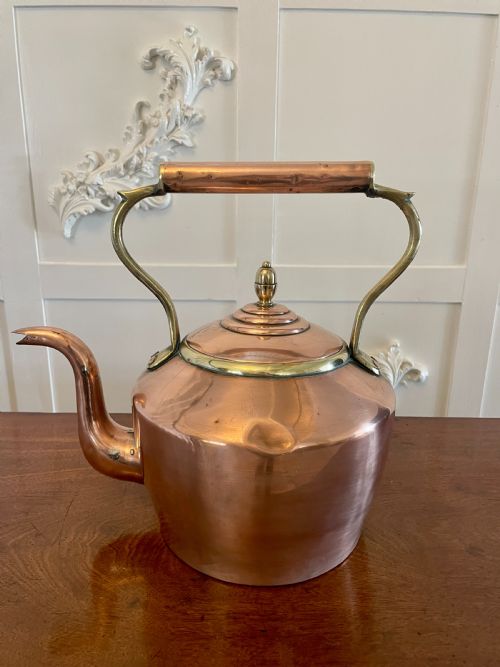
The objects combine copper bodies with contrasting brass fittings, sometimes incorporating bone or ebonised wood handles. Forms range from classical pedestal urns to sturdy table kettles with original taps and internal heating tubes.
How they were made
Smiths hammered and shaped sheet copper into bulbous or cylindrical bodies, joining the seams with precision and polishing the metal to a bright finish. Brass was cast separately for spigots, handles, and feet, adding structural contrast to the softer copper.
Some specialised items, such as Pontypool Ware, received a japanned metal finish over the base material, creating a smooth dark surface. Handles frequently incorporate turned wood, bone, or ebonised elements to insulate against heat during use.
Traditional Copper Tea Urn Retail Price Guide 2026
Typical asking prices for traditional copper tea urn among the pieces listed under this phrase on Sellingantiques today, from the lower quarter to the upper quarter. They describe what is for sale here now, not the wider market.
The listings show nineteenth century pieces combining copper, brass, and ebonised wood across standard samovar and kettle forms.
What varies in quality
Quality rests in the weight of the metal and the integrity of the original fittings, such as taps and handles. Pieces with intact internal heating cylinders and matching brass components command greater attention from collectors.
Surface finish and decorative detail also separate standard examples from finer ones, particularly where japanned decoration or bell metal accents remain well preserved. The presence of original mounts signals a higher standard of manufacture.
Benetfink & Co London
The Traditional Copper Tea Urn Glossary
- Samovar
- A heated metal urn used to boil and heat water for tea. These vessels typically feature an internal central tube for charcoal or a heated metal block.
- Bell metal
- An alloy of copper and tin used historically for casting fittings and components. It produces a clear tone when struck and provides durable hardware.
- Japanned metal
- European furniture and metalware finished with a hard, glossy black or coloured lacquer imitating Asian varnish work. Pontypool Ware is a notable British manifestation of this technique.
- Ebonised wood
- Timber treated to resemble ebony, frequently utilised for insulating handles on metal vessels. It offers a dark, matte contrast to polished copper.
Traditional Copper Tea Urn: Frequently Asked Questions
What is a traditional copper tea urn?
A traditional copper tea urn is a large metal vessel historically used to heat and dispense water for tea service in domestic settings. These pieces date primarily from the Georgian and Victorian eras.
They combine a prominent copper body with brass taps, handles, and feet, often featuring internal tubes designed to hold heat.
How were these tea urns used?
These vessels stood on dining tables or sideboards to supply hot water throughout long meals and social gatherings. Servants filled the internal chamber with heated material or hot water to maintain the temperature.
Purchasers today frequently place them as decorative focal points in traditional dining rooms or kitchens.
How do I date a copper samovar?
Dating relies on stylistic clues such as the shape of the body, the form of the brass handles, and the method of construction. Georgian examples often display neoclassical urn shapes, while Victorian pieces tend towards heavier proportions.
Maker marks or retailer stamps, when present, provide a direct link to the period of manufacture.
Are these urns still functional?
While many retain their original taps and internal fittings, most buyers treat them as decorative antiques rather than daily appliances. Old solder repairs and historic wear mean they suit display rather than active service.
Proper care involves gentle cleaning to preserve the natural patina of the copper and brass surfaces.