
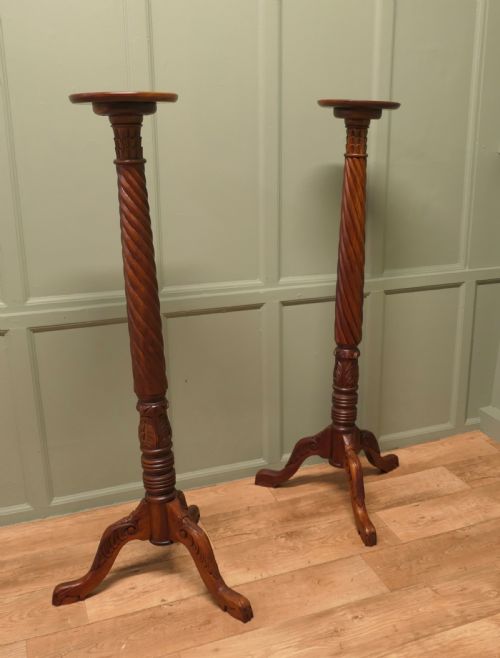
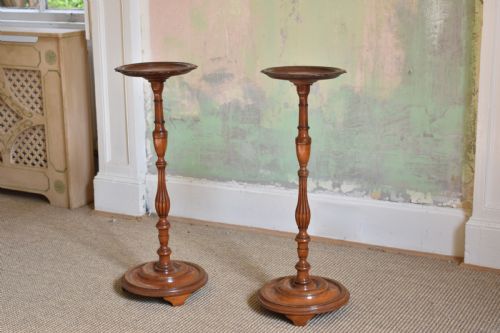
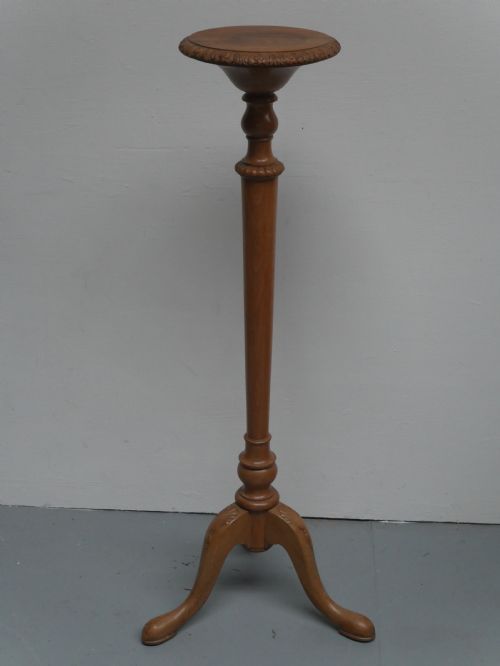
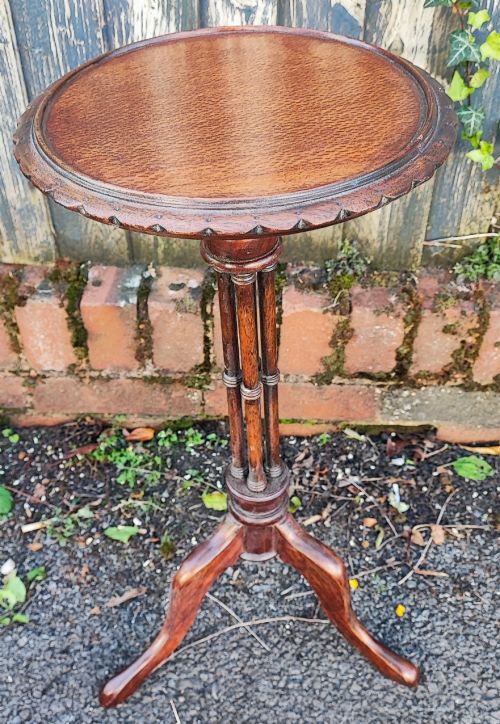





Georgian Style Plant Column
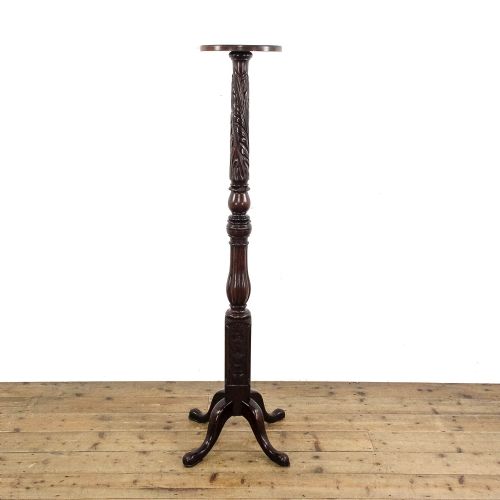
These georgian style plant column pieces are elevated display stands built to showcase greenery and lamps, bringing classical form to any room.
Georgian Style Plant Column
When you search for a georgian style plant column, you are looking at tall stands and torcheres designed to elevate plants, lamps, and decorative objects. These pieces draw on historical forms from the eighteenth and nineteenth centuries, alongside later revivals stretching into the twentieth century.
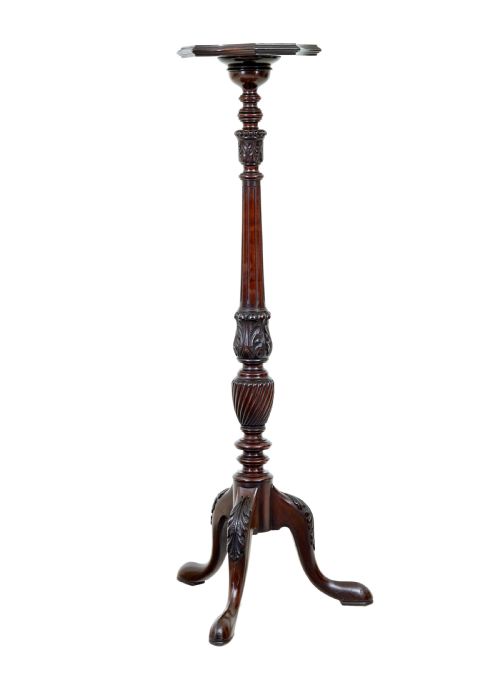
The versions you are most likely to meet on this page include mahogany torchere stands, occasional side tables, and carved pedestals. They span periods from the eighteenth century up through Victorian, Edwardian, and later revival eras.
Makers working in these traditional styles utilised timber forms ranging from slender plant stands to paired occasional tables. Each piece serves to lift displays off the floor, introducing height and architectural presence to an interior.
Factors that distinguish quality
Quality in these stands depends upon the crispness of the wood carving and the selection of figured timbers like mahogany and satinwood. Finer examples display precise inlay work and well-proportioned turned columns rather than plain or heavily simplified framing.
The structural integrity of the central shaft and the stability of the base separate robust specimens from lighter utilitarian pieces. Surface finishes that retain a warm timber grain without excessive alteration also indicate higher standing.
Recorded periods span from the 18th Century through the Victorian and Edwardian eras up to 1920.
The Georgian Style Plant Column Glossary
- Torchere
- A tall, slender stand designed to hold a lamp, candle, or small plant. These pieces are typically elevated on a narrow pillar supported by a tripod or weighted base.
- Pedestal
- A free-standing structural support used to display busts, urns, or plants. They provide a sturdy vertical column that raises objects to eye level.
- Inlay
- A decorative technique where contrasting woods or materials are set into the surface of a primary timber. Satinwood is frequently used for this contrasting detail.
- Gesso
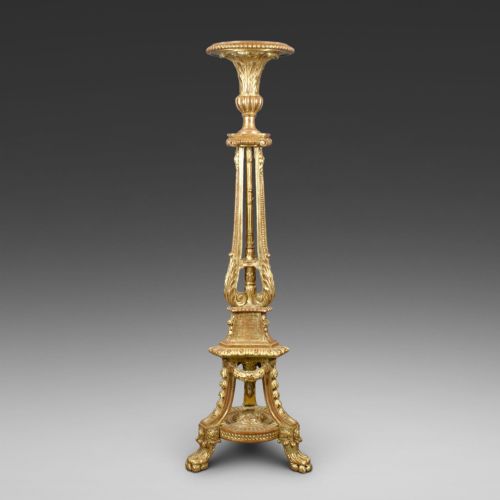
- A plaster-like material applied to wood surfaces as a base for painting or gilding. It allows craftsmen to carve intricate relief details before applying gold leaf.
Georgian Style Plant Column: Frequently Asked Questions
What is a torchere stand used for?
A torchere stand is a tall, slender piece of furniture originally designed to hold a candle or oil lamp. Today, they are commonly utilised to display potted plants, sculptural objects, or table lamps in corners and hallways.
Because of their vertical profile, they occupy very little floor space while adding height and decorative interest to an interior.
How do I identify a revival piece?
Revival pieces are later interpretations of historical styles, such as Georgian, Chippendale, or Adam designs, manufactured during the nineteenth or twentieth centuries. They combine period motifs with construction methods characteristic of their actual period of creation.
Examining the wood ageing, internal joinery, and secondary timbers helps clarify whether a piece is an eighteenth-century original or a later revival.
Where should I place a plant column?
Plant columns and torcheres are well-suited for corners, entrance halls, or flanking doorways where vertical height is needed. Their narrow footprint allows them to fit into tighter spaces than a standard table.
Ensure the base rests steadily on the floor, particularly if you are placing a heavy ceramic planter or a delicate lamp on top.
What woods are typical for these stands?
Mahogany is the most frequent wood found in these listings, valued for its rich grain and durability. Walnut, oak, and satinwood also appear regularly across different periods and revival styles.
Some decorative torcheres substitute bare wood for gesso and gilt finishes, offering a brighter, metallic surface texture.