
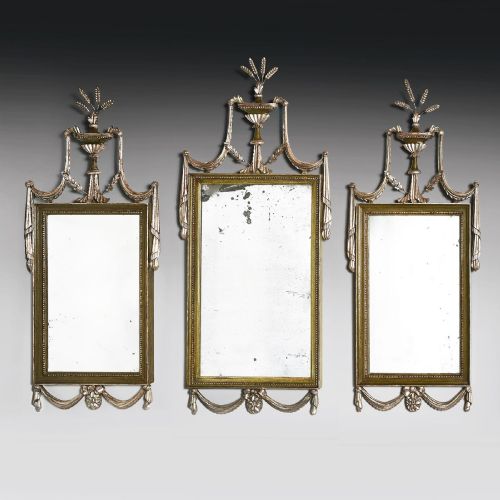

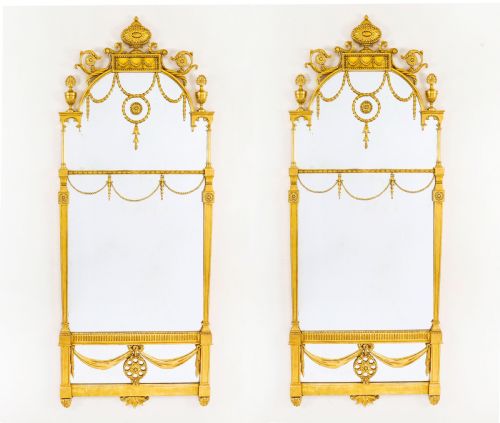


Georgian Style Pier Glass
A georgian style pier glass brings architectural symmetry and reflected light to a formal interior, usually mounted in the narrow wall space between windows.
Georgian Style Pier Glass
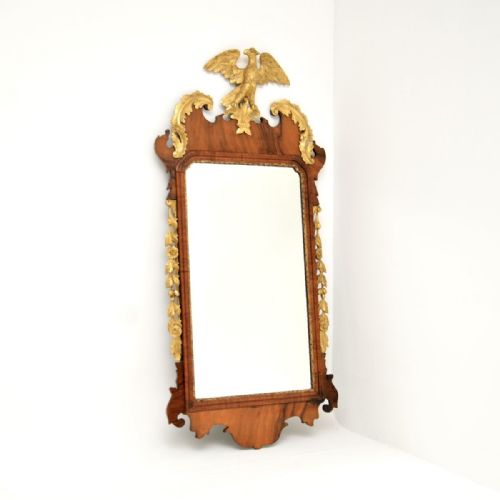
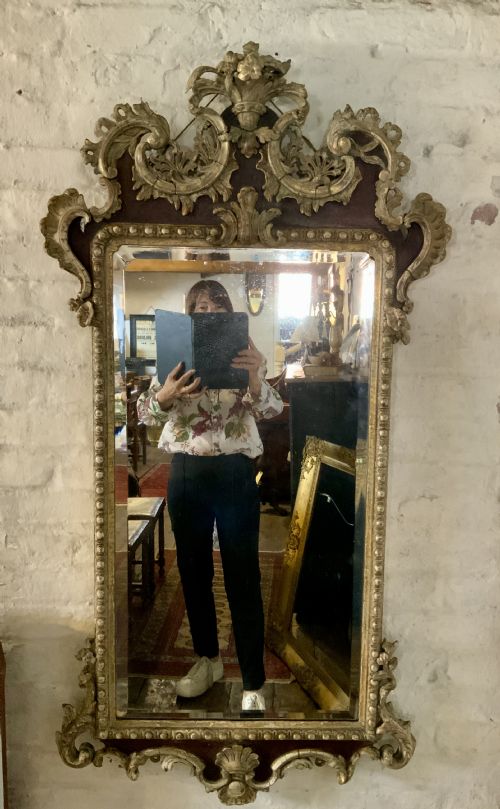
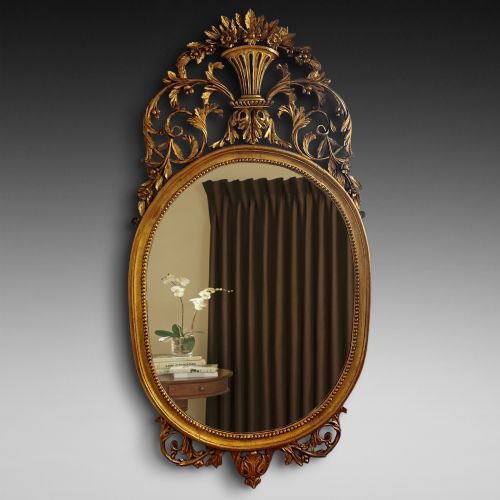
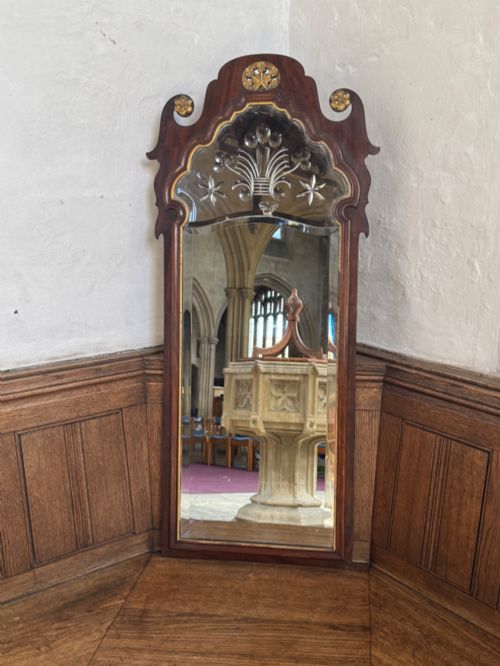
When you search for a georgian style pier glass, you find tall wall mirrors designed to fit the vertical spaces between windows in eighteenth and nineteenth-century rooms. These pieces originate across the Georgian, Regency, and Victorian periods, alongside later revivals from the nineteenth and twentieth centuries.
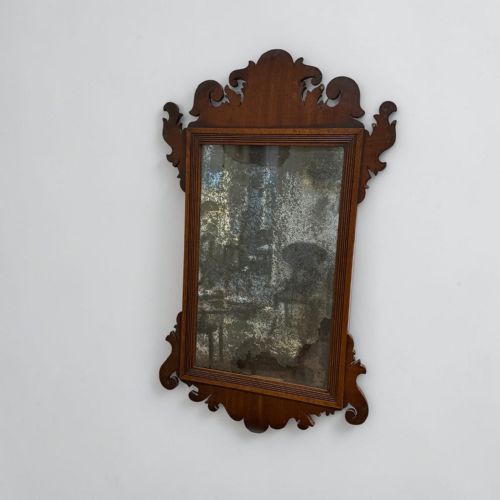
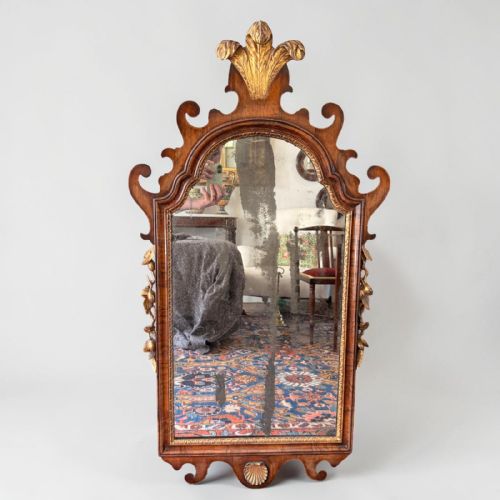
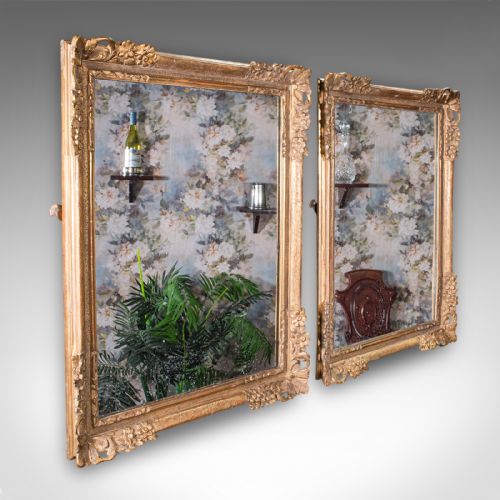
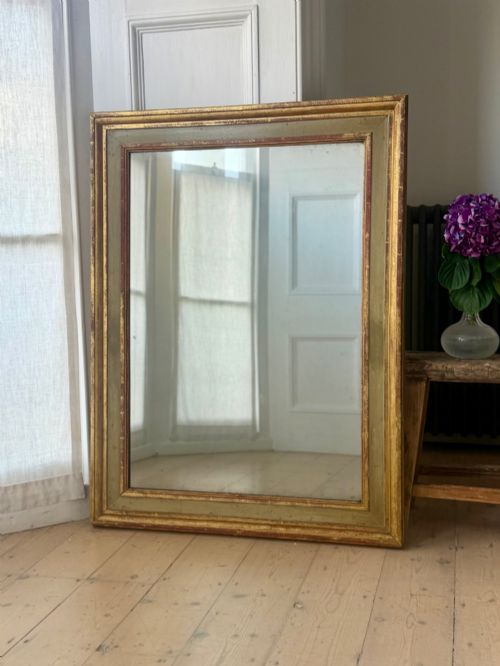
The selection here encompasses walnut, mahogany, and giltwood frames, often incorporating gesso ornament and reverse cut plates. Forms range from simple fretwork plates to elaborate parcel-gilt designs referencing Adam and George II styles.
Most examples date from the nineteenth-century revival eras, replicating earlier eighteenth-century proportions with mahogany veneers or carved giltwood. Collectors encounter both English workshop pieces and continental variations featuring distinct regional carving details.
How They Were Made
Cabinetmakers constructed these frames using native hardwoods such as mahogany and walnut, frequently applying fine veneers or building up intricate relief ornament with gesso over timber bases. Giltwood surfaces received layers of gold leaf applied to prepared grounds, while other frames displayed painted finishes or lacquered chinoiserie.
Glass plates in early and period-revival examples were silvered using traditional methods or mercury techniques, sometimes finished with bevelled edges or reverse cut detailing. Fretwork sections were hand-sawn from thin timber laminates to create delicate pierced silhouettes before finishing with parcel-gilt accents.
The inventory includes nineteenth-century revival pieces referencing George II, Adam, and Chippendale designs.
What Varies In Quality
The standard of carving defines the upper tier of these mirrors, where deep relief work, crisp foliage, and balanced proportions reflect skilled workshop production. Lesser examples rely on moulded composition ornament rather than hand-carved wood to articulate scrollwork and floral motifs.
The integrity of the mirror plate contributes significantly to quality, with original mercury glass and bevelled Vauxhall plates holding greater historical value than modern replacement glass. Frame construction also varies, separating simple butt joints from finely joined mahogany or walnut carcases with original fretwork crestings.
Gillows Of Lancaster·William Kent·John Belchier
The Georgian Style Pier Glass Glossary
- Pier glass
- A tall wall mirror designed specifically to hang on the narrow pier of wall between two windows. This placement maximises the reflection of natural daylight into the room.
- Gesso
- A plaster-like mixture applied to wood frames and carved or moulded into decorative relief before gilding. It provides a smooth base for gold leaf adherence.
- Parcel gilt
- A finish where portions of a wood or painted surface are highlighted with gold leaf while other areas remain exposed wood or paint. This technique emphasises architectural mouldings and carved details.
- Vauxhall mirror
- A term describing eighteenth-century British mirror plates characterised by a bevelled edge. The bevel is typically hand-ground at an obtuse angle.
- Fretwork
- Thin wood panels pierced with decorative patterns using a fretsaw. It appears frequently on the crests and aprons of mahogany wall mirrors.
Georgian Style Pier Glass: Frequently Asked Questions
Where should I hang a pier glass?
These mirrors suit narrow wall spaces between tall windows, echoing the architectural layout of period drawing rooms. Placing them opposite a window also helps distribute natural light across the interior.
Alternatively, they function effectively above mantelpieces or console tables where their vertical proportions draw the eye upward.
How do I distinguish an original eighteenth-century glass from a revival piece?
Original period mirrors often display slight distortions, minor oxidisation, or greyish tones within the mercury silvering behind the glass plate. Revival pieces from the nineteenth or twentieth century typically feature clearer, more uniform modern mirror glass.
Examining the timber construction behind the frame and the joinery methods provides further clues regarding the actual date of manufacture.
What is the difference between a pier glass and an overmantel mirror?
A pier glass is traditionally narrow and tall to fit the wall space between structural openings like windows. An overmantel mirror is wider in proportion, designed specifically to span the horizontal space above a fireplace mantel.
While both share decorative revival styles, their original architectural functions dictate their distinct dimensions.
How should I clean the frame and glass?
Dust giltwood and carved wooden frames gently with a dry, soft brush to protect delicate gesso and gold leaf surfaces. Avoid using liquid cleaners or abrasive cloths on antique gilding, as moisture causes irreversible damage.
Standard glass cleaner applied sparingly to a cloth works for the mirror plate, ensuring liquid does not seep behind the bevelled edges.