
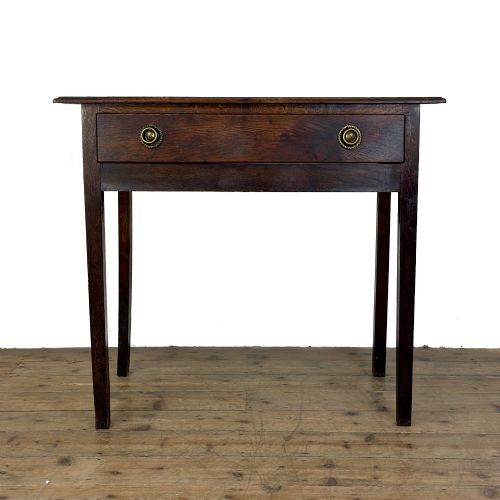

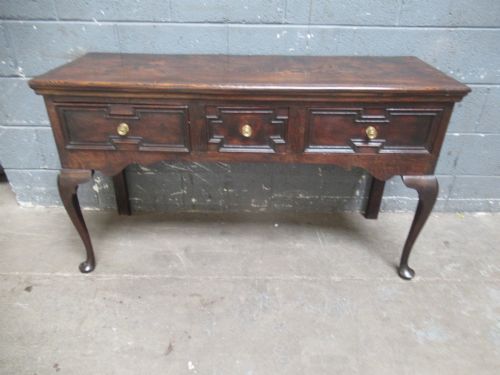
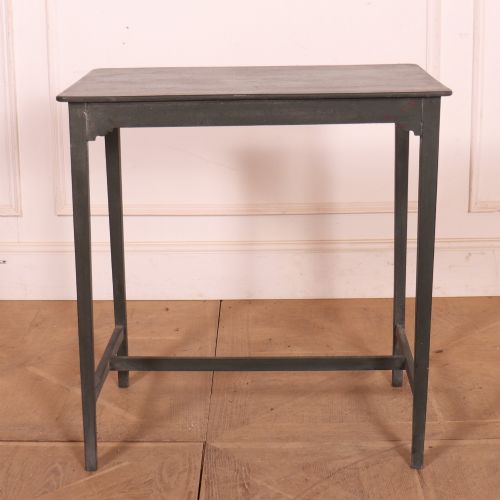
Georgian Style Oak Table
A georgian style oak table brings robust timber and traditional lines into a room, offering both everyday utility and period character.
Georgian Style Oak Table
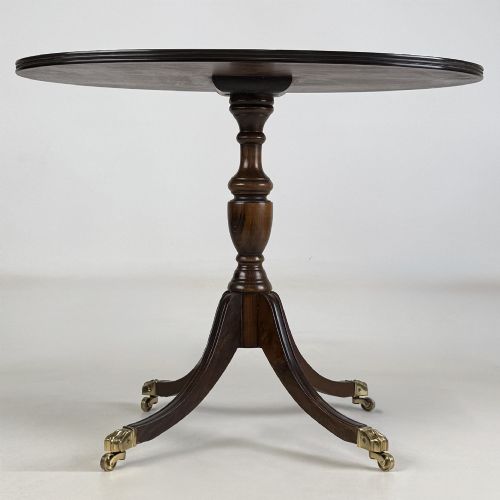
A georgian style oak table covers a wide range of domestic furniture designed for dining, writing, and serving, spanning genuine eighteenth-century pieces as well as later revivals from the nineteenth and twentieth centuries.
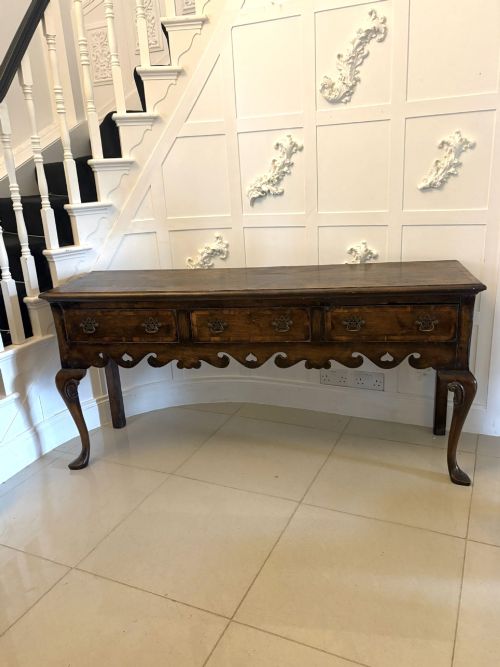
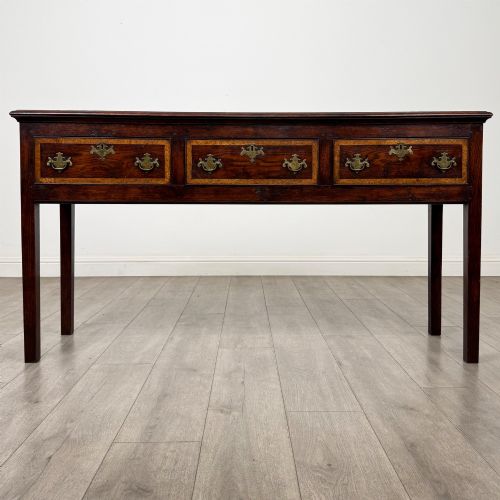
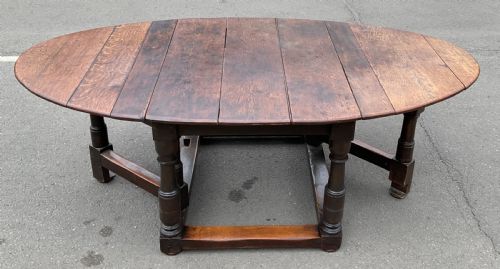
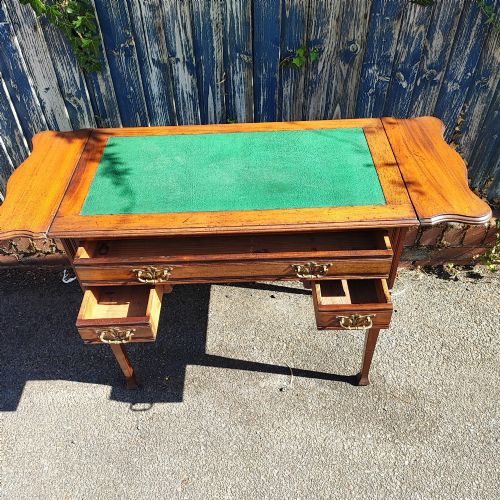
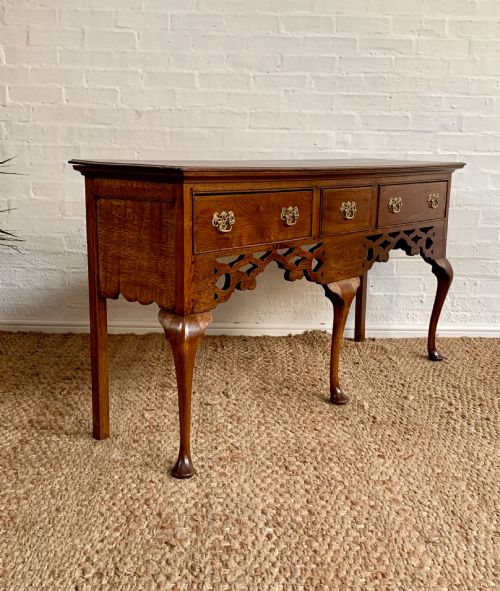
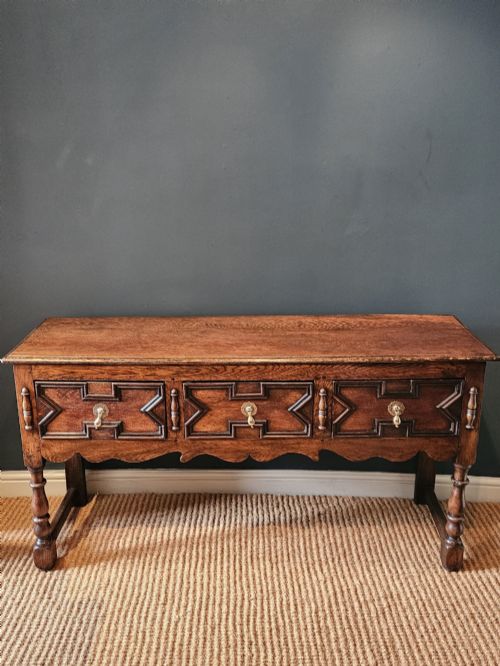
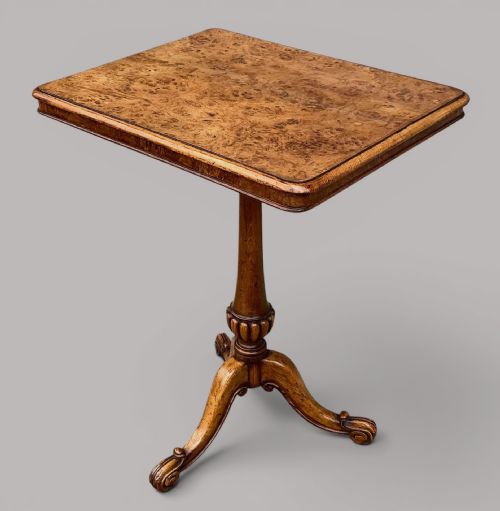
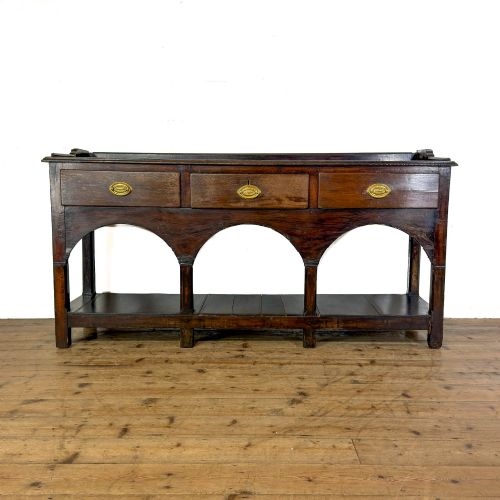
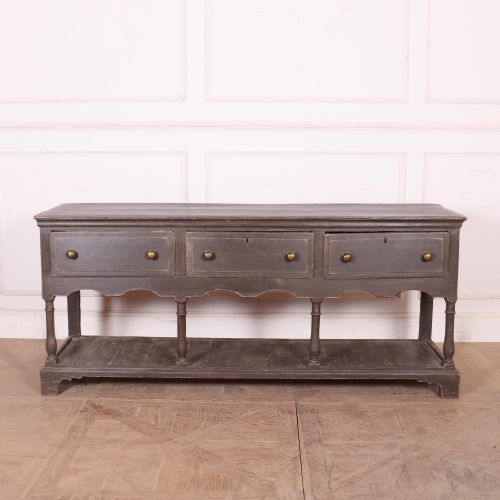
Buyers most commonly encounter side tables, lowboys, and dresser bases on this page, alongside larger gateleg and wake dining formats suited to communal rooms.
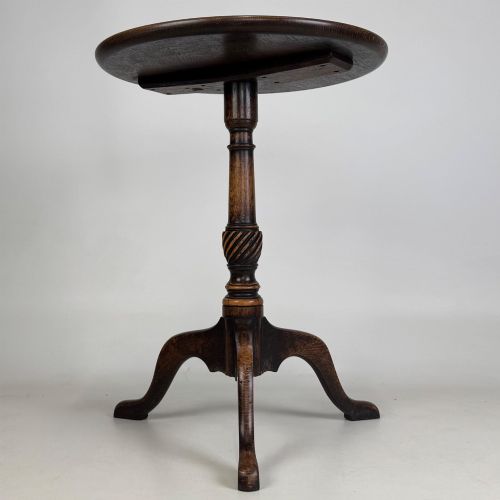
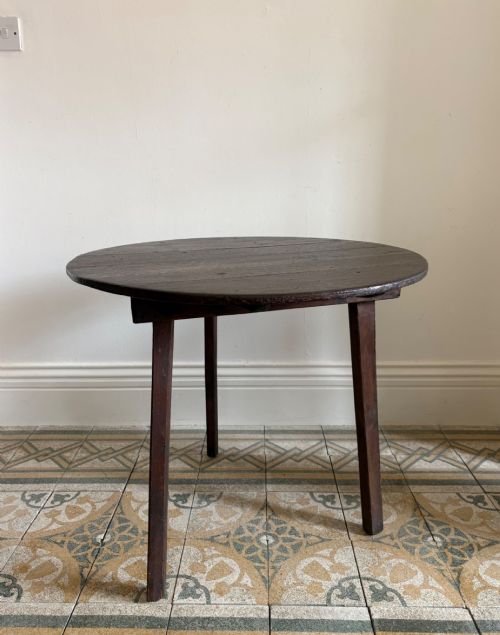
The aesthetic borrows from English country traditions and formal Georgian proportions, featuring sturdy legs, plank tops, and occasional carved detailing.
Materials and Technique
Makers utilised solid oak, often complemented by secondary timbers such as pine or accented with burr oak and mahogany veneers depending on the regional workshop and period.
Construction methods rely on traditional joinery, including mortise and tenon frames, hand-cut dovetails for drawer boxes, and turned or cabriole legs pinned securely to the top structure.
Surfaces receive simple wax finishes or historical paint applications, while some examples incorporate brass hardware such as drop handles and escutcheons.
Some tables even hide secret candle slides or miniature drawers for storing very small treasures.
Assessing Craftsmanship
Quality rests primarily in the selection of timber and the integrity of the construction, where tightly grained oak and well-balanced proportions distinguish superior pieces from utilitarian items.
Finer examples display careful attention to detail in the execution of mouldings, drawer linings, and leg turning, whereas lesser versions show simpler, heavier assembly without refined secondary woods.
The Georgian Style Oak Table Glossary
- Lowboy
- A small side table or dressing table featuring a low set of drawers beneath the work surface. These pieces typically stand on cabriole or straight legs and date from the eighteenth century or later revivals.
- Gateleg table
- A dining table with hinged flaps supported by pivoting legs that swing out like gates. This design allows the table surface to expand or fold down compactly.
- Dresser base
- A low sideboard fitted with drawers and occasionally a potboard shelf underneath. They serve as practical storage furniture in dining rooms and halls.
- Cabriole leg
- A furniture leg featuring a double curve, typically bowing outward at the knee and tapering inward at the foot. The form originates from classical motifs and appears frequently on revival pieces.
Georgian Style Oak Table: Frequently Asked Questions
How do I spot a true period table?
Examine the construction methods, timber grain, and tool marks visible on the underside and drawer interiors. Hand-cut joints and timber shrinkage offer reliable clues to genuine age.
Compare the overall patination and wear patterns against known examples from the same century. Consistency in the ageing process points toward authenticity rather than later manufacture.
Can I use these tables daily?
Solid timber construction makes these tables remarkably resilient for regular dining or writing tasks. Simple maintenance keeps the surface protected against daily wear.
Use coasters and placemats to prevent moisture rings on polished oak. Occasional waxing preserves the natural lustre of the wood without sealing it artificially.
What rooms suit a lowboy?
Compact side tables and lowboys fit neatly into hallways, bedrooms, or living spaces as writing surfaces or lamp stands. Their modest footprint provides surface space without crowding a room.
Pair the table with a simple chair or leave it freestanding beneath a mirror. The neutral tones of oak blend easily with both traditional and contemporary interiors.
How do I care for oak surfaces?
Keep wooden furniture away from direct heat sources and strong sunlight to prevent warping and fading. Maintain a stable indoor climate to protect the natural timber.
Clean surfaces with a soft, dry cloth and apply a traditional beeswax periodically. Avoid modern silicone sprays that build up a sticky residue over time.