
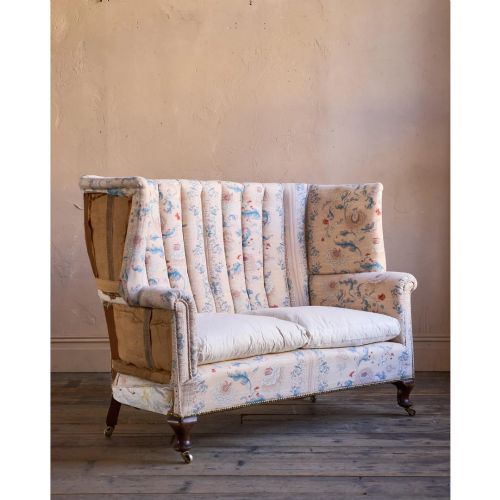
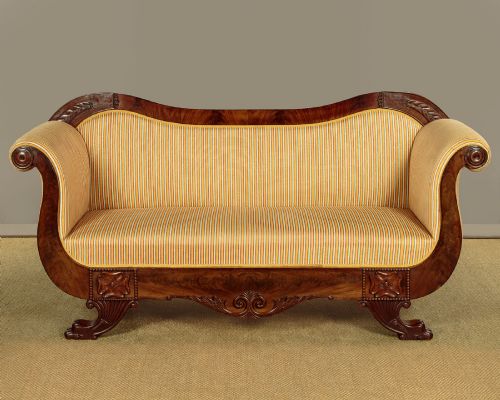
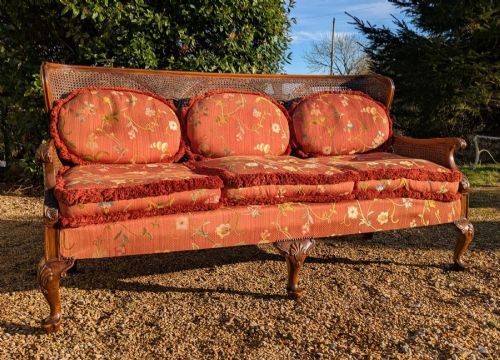
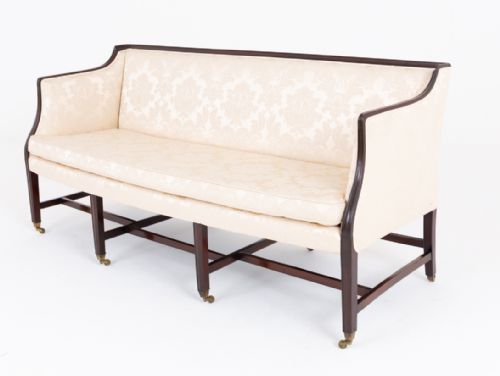


Georgian Style Mahogany Settee
A georgian style mahogany settee brings classic lines and rich timber into a room, offering both generous seating and enduring period character.
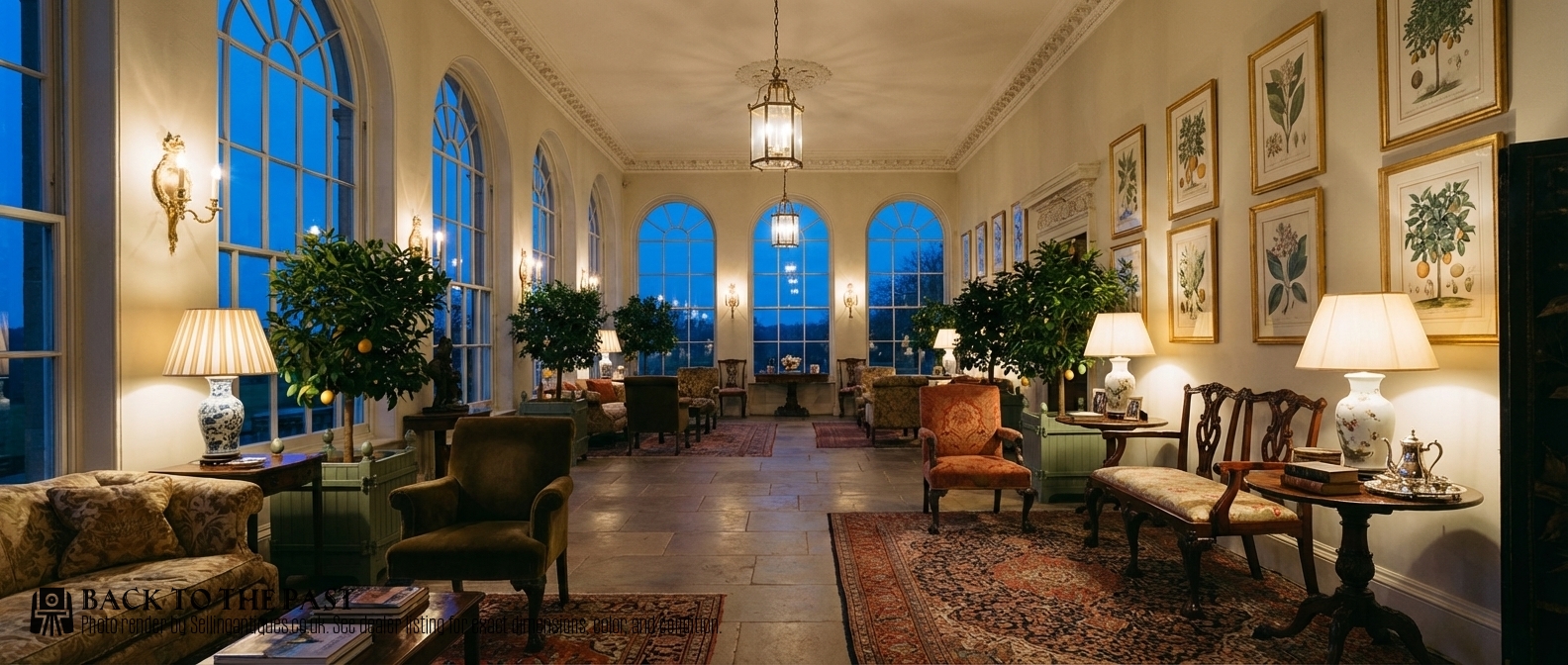
Georgian Style Mahogany Settee
A georgian style mahogany settee represents a traditional form of seating designed around the aesthetic principles of the eighteenth century, though many examples date from subsequent revival periods. These pieces range from camel back designs with serpentine fronts to elaborate chair back and scroll end configurations.
The version most commonly encountered on this page is the mahogany framed model drawing on Chippendale, Hepplewhite, or George II styles. Makers across the nineteenth and early twentieth centuries frequently returned to these earlier templates, producing serpentine sofas and multi-chair back settees.
Originating primarily from British cabinet making traditions, these settees serve as substantial focal points in reception rooms and hallways. They combine structural timber framing with upholstered seats, backs, or feather cushions.
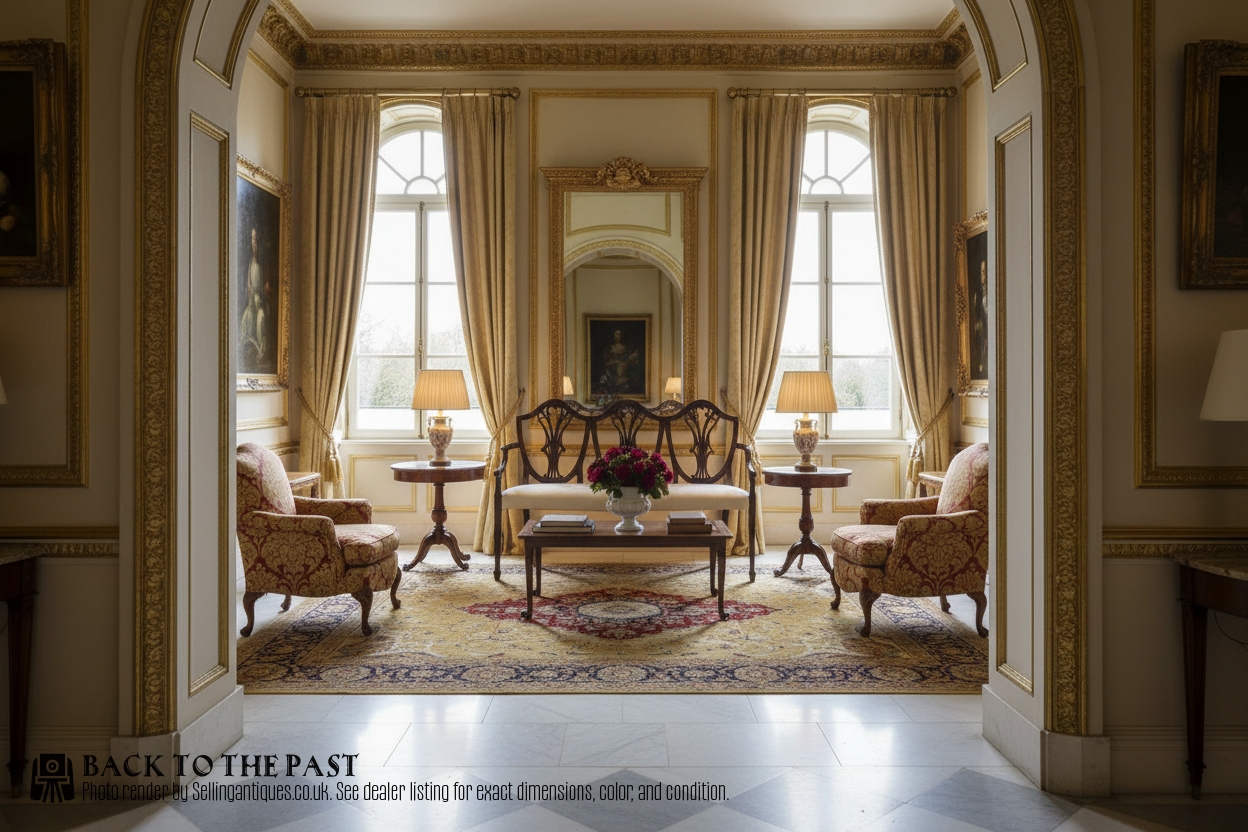
How they were made
Makers constructed the primary frames of these settees using solid mahogany, often selecting timber with deep grain patterns and warm natural tones. Carved details such as interlaced chair backs, scrolled arms, and cabriole or straight legs were shaped directly from the wood by hand.
Upholstery techniques varied according to the period of manufacture, utilising traditional fillings supported by hessian and secured over sprung or webbed bases. Covering materials included damask, various woven fabrics, and occasional loose feather cushions for comfort.
Irish workshops occasionally added an extra seat width, proving that historical lounging required generous proportions.
What varies in quality
The standard of a georgian style mahogany settee is determined largely by the crispness of the timber carving and the architectural proportions of the frame. Superior examples display deeply sculpted rails, balanced scroll arms, and precise joinery that maintains structural integrity without excessive reinforcement.
Material selection also defines the upper tiers of these pieces, distinguishing dense, well-figured mahogany frames from simpler construction. The quality of the underlying upholstery work and the fidelity to historical design manners further separate standard revival pieces from finer workshop productions.
Butlers of Dublin
The Georgian Style Mahogany Settee Glossary
- Camel back
- A sofa or settee back featuring a continuous, undulating curve resembling a camel's hump. This profile became a signature of eighteenth century seating design.
- Chippendale style
- A decorative manner drawing on the designs of Thomas Chippendale, characterised by carved mahogany frames, interlaced splats, and ornate cabriole legs. These settees often incorporate elaborate pierced work.
- Hepplewhite manner
- A lighter furniture style inspired by George Hepplewhite, frequently featuring shield back frames, tapered legs, and subtle neoclassical carving. Settees in this manner often display delicate symmetry.
- Scroll end
- A seating arm or terminal that rolls outward in a tight spiral curve. This feature appears prominently on Regency period couches and sofas.
- Chair back settee
- A multi-seat frame constructed with two or three conjoined chair backs forming a continuous seating unit. These pieces were popular during the Georgian and revival eras.
Georgian Style Mahogany Settee: Frequently Asked Questions
What is a georgian style mahogany settee?
A georgian style mahogany settee is a traditional upholstered seat featuring a mahogany wood frame built in the architectural manner of the eighteenth century or later revivals.
These pieces typically incorporate stylistic elements such as camel backs, serpentine fronts, or carved chair backs influenced by designers like Chippendale and Hepplewhite.
How do I tell an original eighteenth century piece from a later revival?
Distinguishing periods relies on examining timber ageing, construction joints, and secondary woods used in the frame's hidden internal structure.
Many settees on the market date from nineteenth and twentieth century revival periods, emulating earlier Georgian forms while retaining the manufacturing techniques of their actual era of production.
How were these settees used historically?
These settees served as formal seating in grand reception rooms, drawing rooms, and large hallways of traditional British houses.
They provided communal seating for multiple occupants while displaying the wealth and taste of the household through fine timber and carved decoration.
How do I live with and care for a mahogany settee?
Living with a mahogany settee involves placing the timber away from direct heat sources and strong sunlight to prevent the wood from drying out or fading.
Routine care requires gentle dusting of the carved wooden frame and professional cleaning for the fabric upholstery to preserve the materials over time.