




Georgian Style Mahogany Bench
A georgian style mahogany bench brings solid timber and traditional seating forms into a room with understated presence.
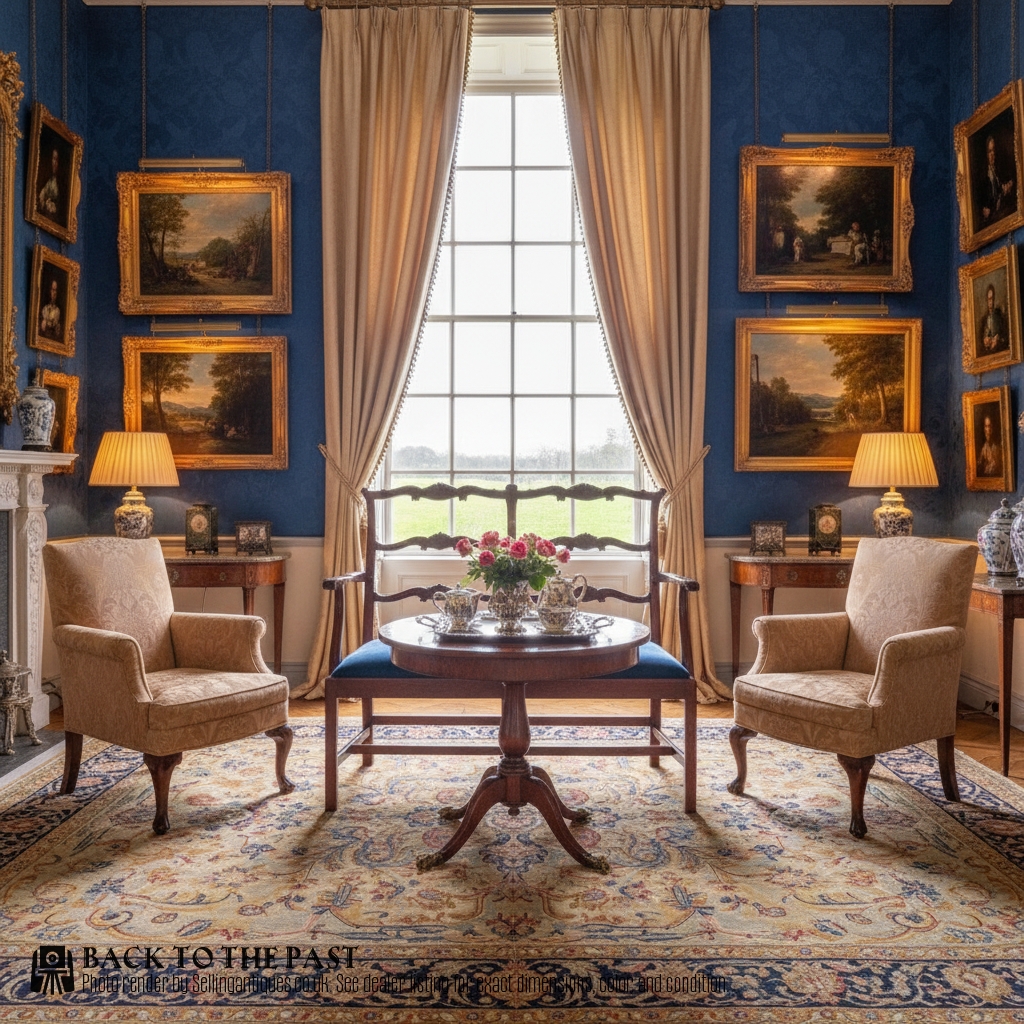
Georgian Style Mahogany Bench
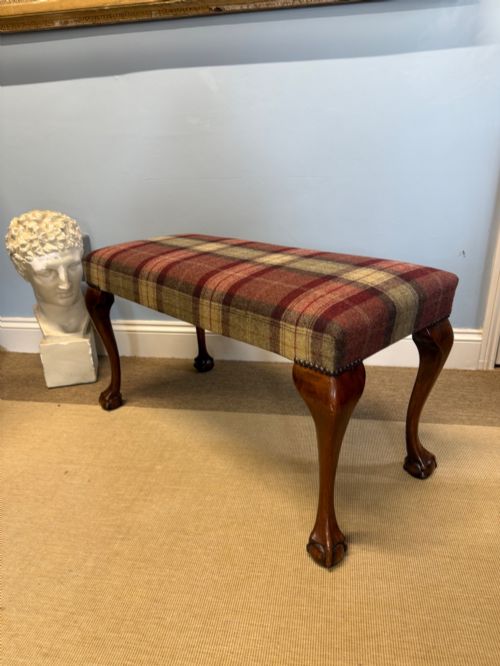
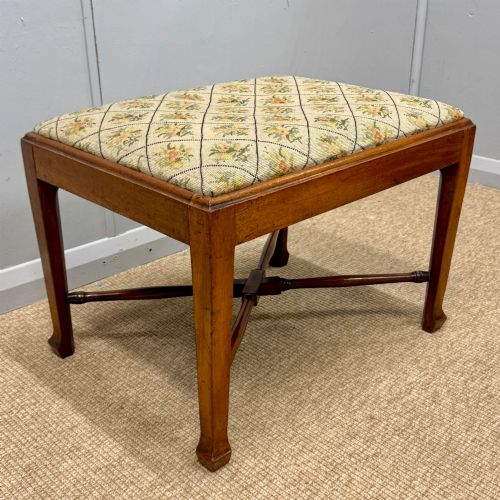
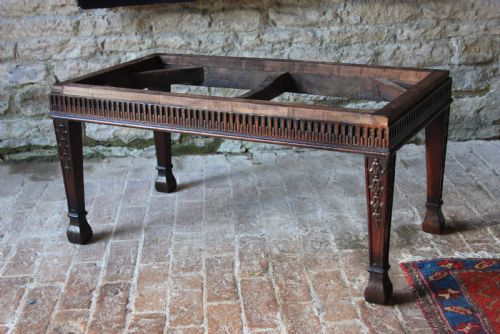
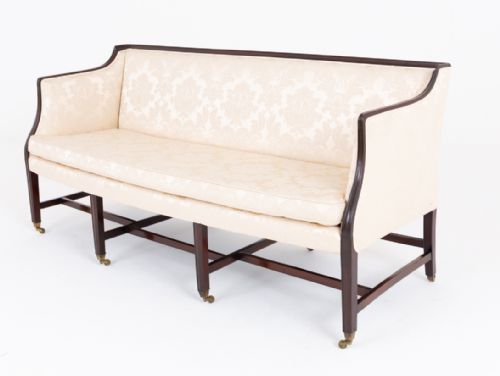
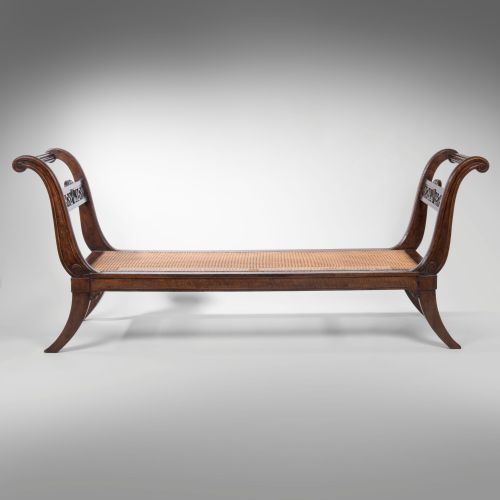
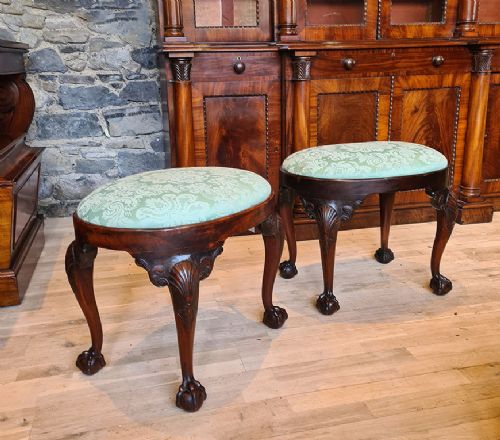
A georgian style mahogany bench encompasses a varied group of seating forms, ranging from long footstools and dressing table stools to window seats and double or triple chair-back settees. These pieces draw on eighteenth-century design vocabulary, reflecting the proportions and outlines associated with Georgian, Regency, and Revival periods.
The selection here includes items produced across the nineteenth and twentieth centuries alongside examples from the eighteenth century itself. Stools with cross stretchers, X-frame window seats, and scroll-end sofas appear frequently alongside chair-back settees.
Makers and workshops of different eras referenced earlier idioms, producing items that combine solid timber frames with upholstered elements. Buyers encounter pieces spanning functional domestic seating to decorative window furnishings.
How they were made
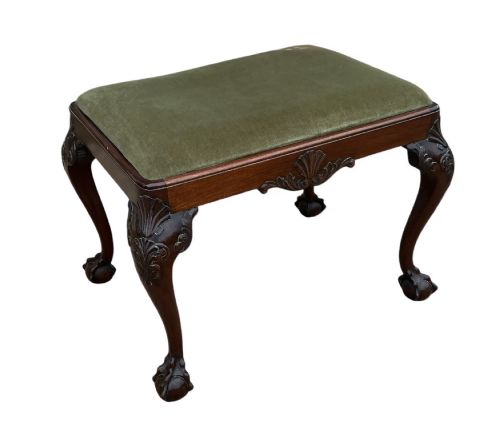
Construction relies primarily on solid mahogany, shaped into frames, legs, and stretchers that support frequent use. Carved details adorn rails and knees on pieces influenced by Chippendale, Hepplewhite, and George II styles.
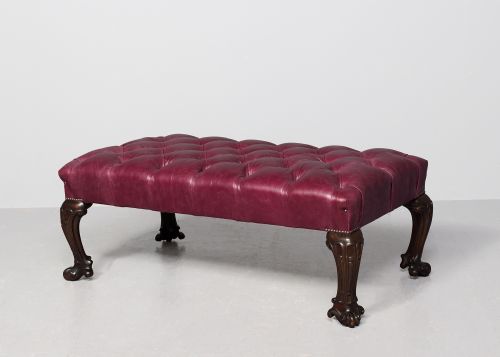
Upholstery forms a major component, utilising materials such as fabric, wool, tapestry, velvet, and red hide over supportive foundations. Brass accents occasionally appear on castors or structural mounts.
Some sturdy nineteenth-century benches survive with minor ink stains tucked beneath the upholstery, evidence of past ledger work.
What varies in quality
The standard of carving determines much of the distinction between pieces, with crisp, deeply undercut foliage and mouldings setting apart superior examples from simpler, mechanically finished frames. The selection of timber grain in the mahogany also influences visual depth.
Upholstery execution and the retention of original or period-appropriate textiles contribute to the integrity of a piece. Robust joinery in the frames and stretchers ensures structural longevity across both antique originals and later revivals.
Gillows·Butlers of Dublin
The Georgian Style Mahogany Bench Glossary
- Mahogany
- A dense tropical hardwood prized for its rich reddish-brown colour and stable working properties. It forms the primary structural material for these frames.
- X-Frame
- A cross-form leg configuration used in window seats and stools for added rigidity and classical proportion. This structural choice draws directly on ancient Roman furniture models.
- Shield Back
- A chair or settee back shaped like a heraldic shield, commonly associated with Hepplewhite designs. The timber outline surrounds open or pierced splats.
- Stretcher
- A horizontal wooden brace connecting the legs of a bench or stool to improve stability. Cross stretchers intersect centrally for additional bracing.
- Scroll End
- A curved terminal on a sofa or window seat arm that rolls outward in a volute. This feature is typical of Regency seating forms.
Georgian Style Mahogany Bench: Frequently Asked Questions
What is a georgian style mahogany bench used for today?
These pieces serve practical seating roles at the foot of a bed, beside a dressing table, or along a hallway. Window seats fit neatly beneath sills to provide low seating without blocking natural light.
Larger settees and chair-back sofas function as conversational seating in living spaces or studies. Their narrow profiles make them adaptable for transitional areas where standard sofas prove too bulky.
How do I date a georgian style mahogany bench?
Dating relies on examining timber characteristics, construction joints, and stylistic cues within the carving. Eighteenth-century originals exhibit hand-cut joinery and period-specific tool marks, whereas nineteenth and twentieth-century revivals often incorporate later manufacturing methods while imitating earlier aesthetics.
Secondary woods used in the internal framing can also provide clues to origin and age. Comparing the decorative motifs against known design books of the Georgian and Regency periods helps narrow down the production era.
What is the difference between a window seat and a settee?
A window seat typically lacks a high back, featuring instead open ends or low scrolled arms designed to sit below window height. Settees incorporate full chair-backs or upholstered backs intended for upright sitting.
Window seats prioritise low profiles for placement in recesses, while settees function as principal seating furniture. Both share similar mahogany frames and upholstered seat pads.
How do I care for mahogany and upholstery?
Maintain mahogany surfaces by dusting with a dry cloth and applying traditional wax polish sparingly to preserve the timber sheen. Avoid placing timber pieces in direct sunlight or near heat sources to prevent wood splitting.
Upholstered sections benefit from regular gentle vacuuming with an appropriate brush attachment. Professional cleaning preserves delicate textiles such as tapestry, velvet, and wool over time.