
Georgian Style Library Bookcase
A georgian style library bookcase brings architectural dignity and generous shelving to a room, offering a grand home for books and display.
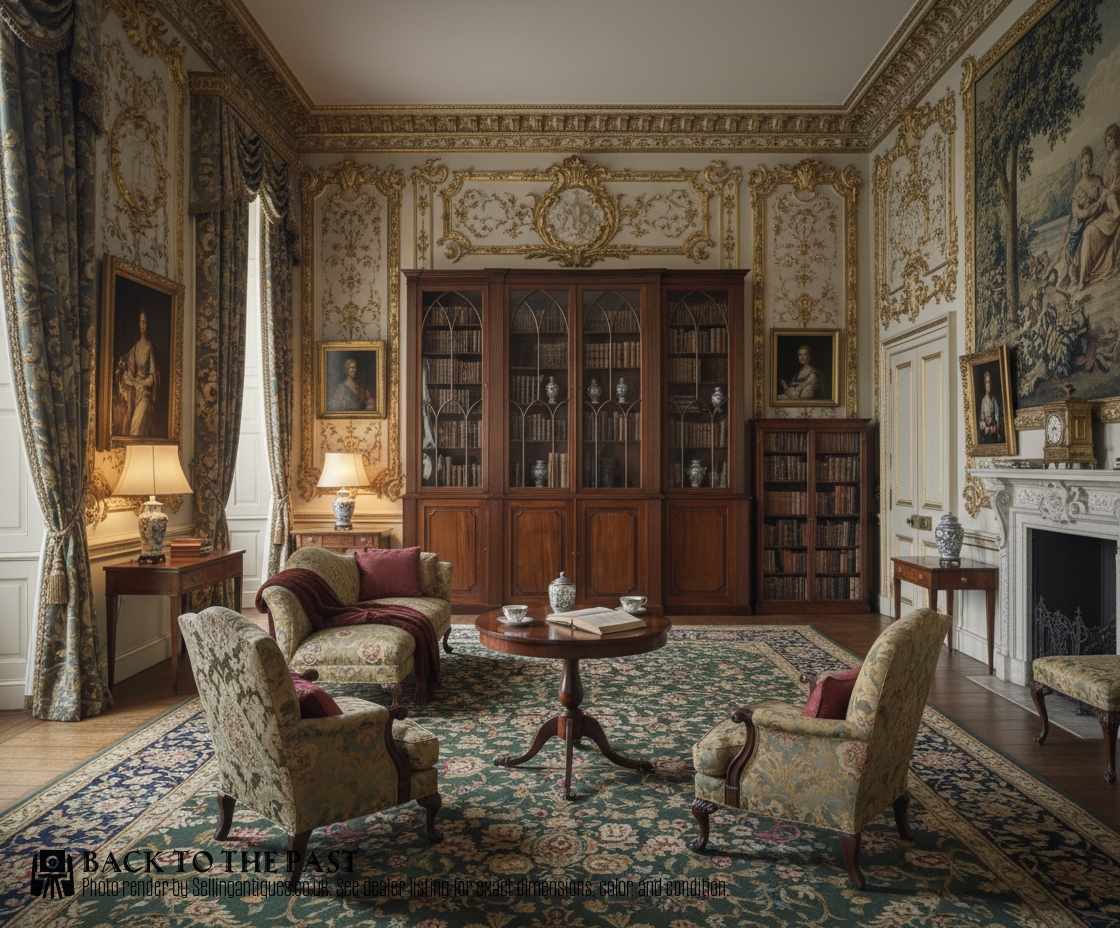
Georgian Style Library Bookcase
When you search for a georgian style library bookcase, you encounter substantial timber furniture designed for storing and displaying volumes.
The pieces you meet most often on this page date from the nineteenth and early twentieth centuries, spanning Victorian, Edwardian, and revival periods.
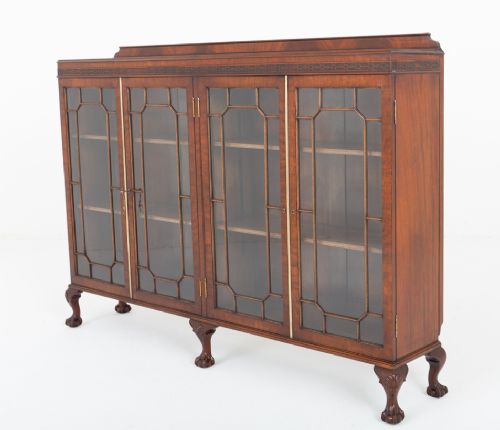
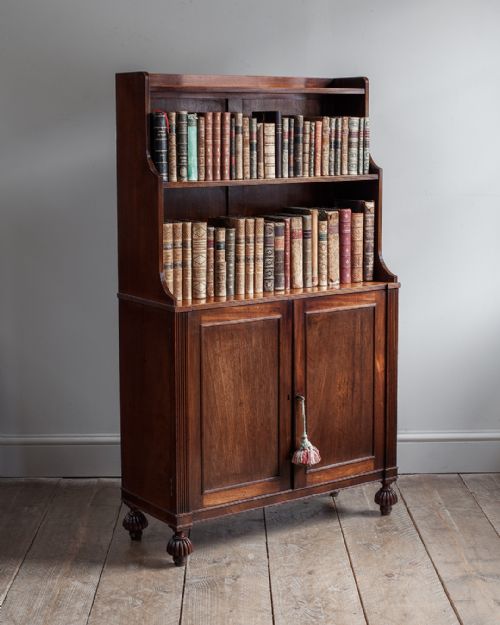
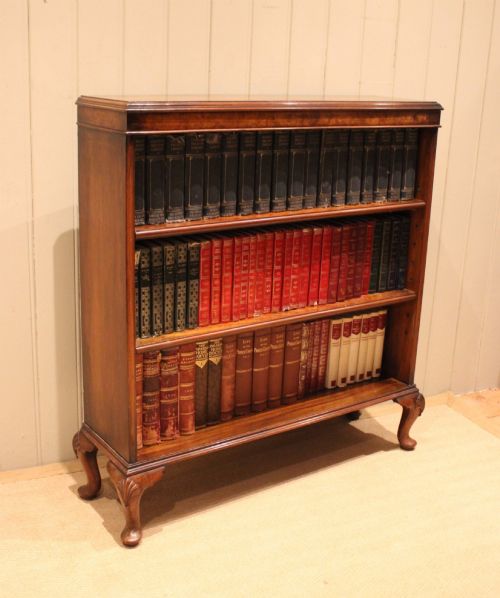
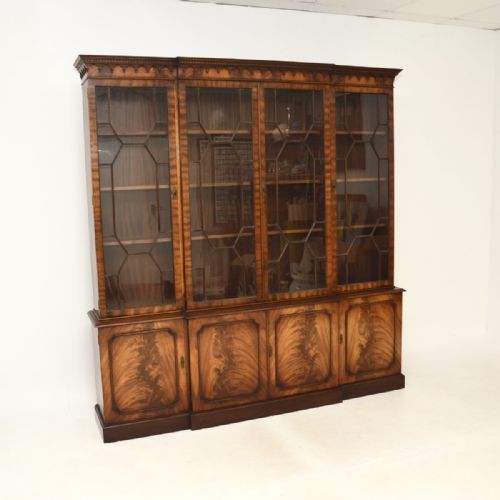
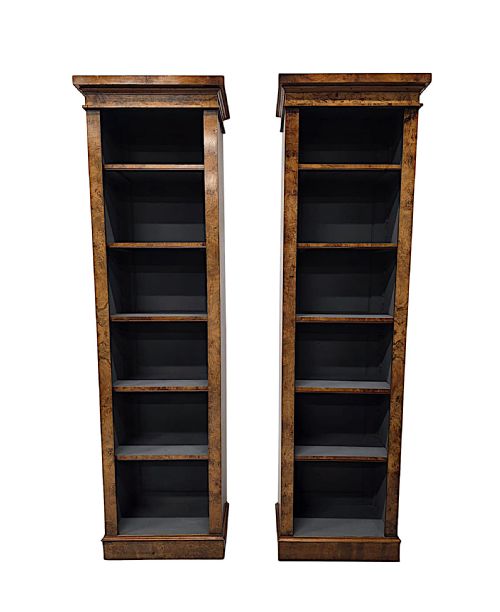
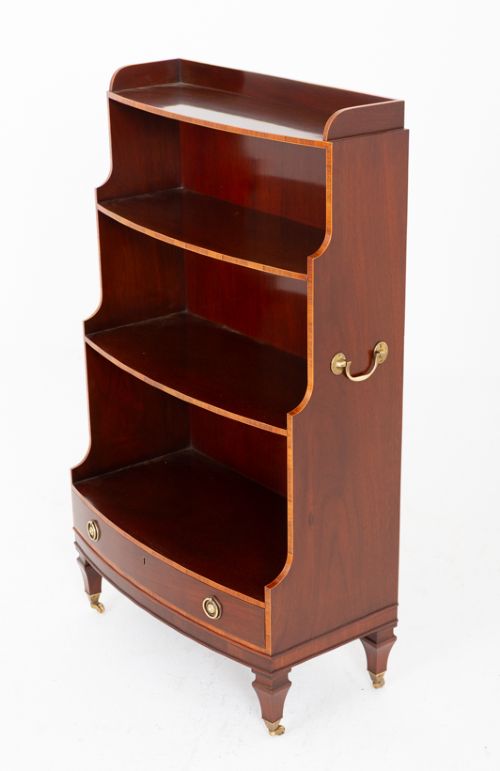
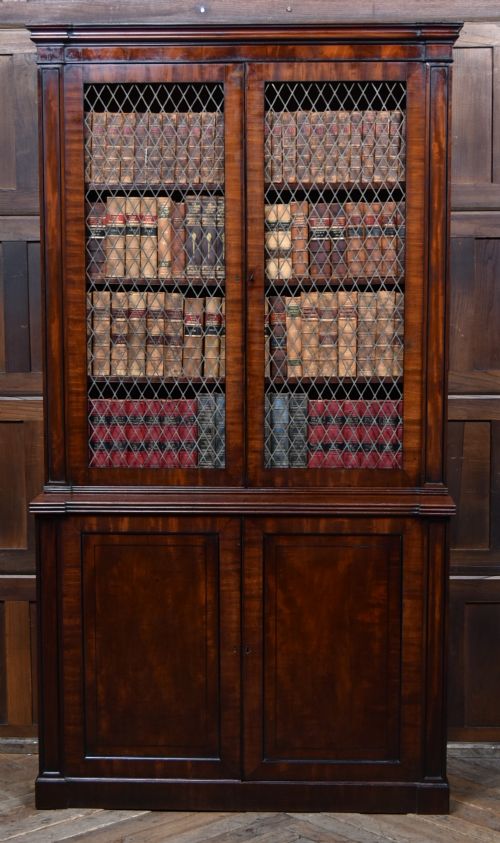
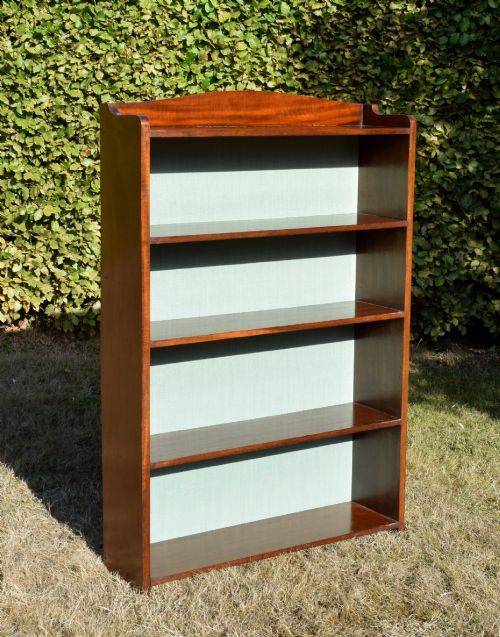
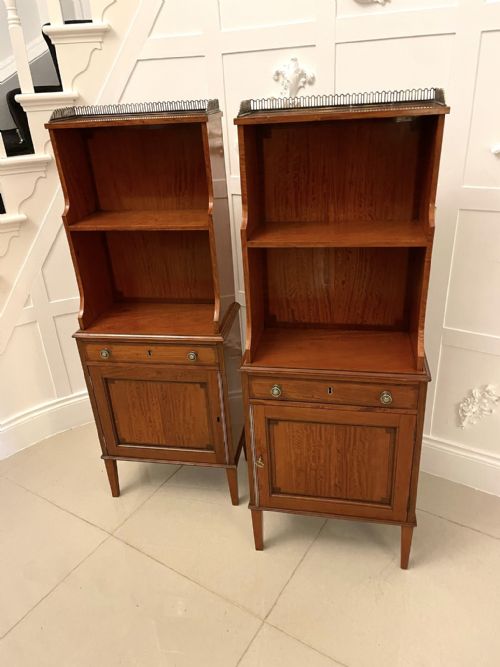
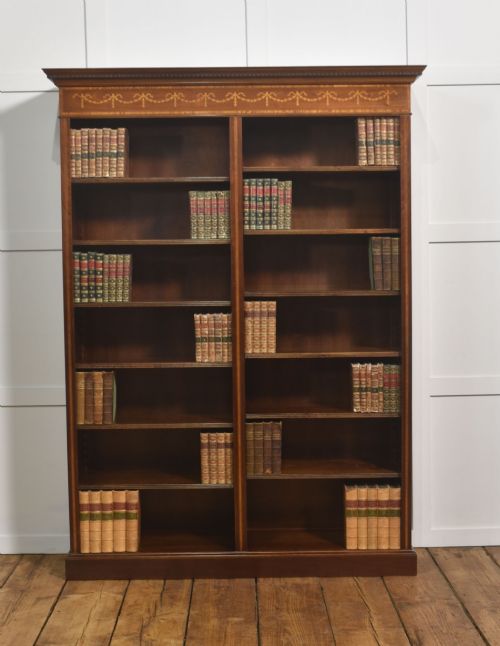
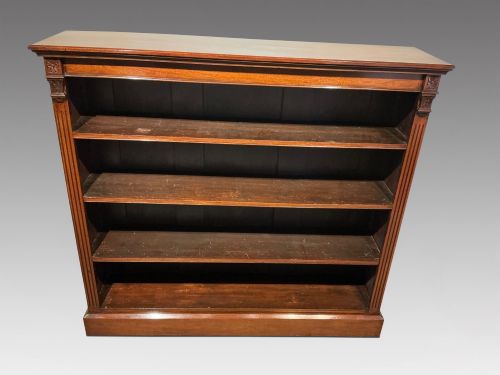
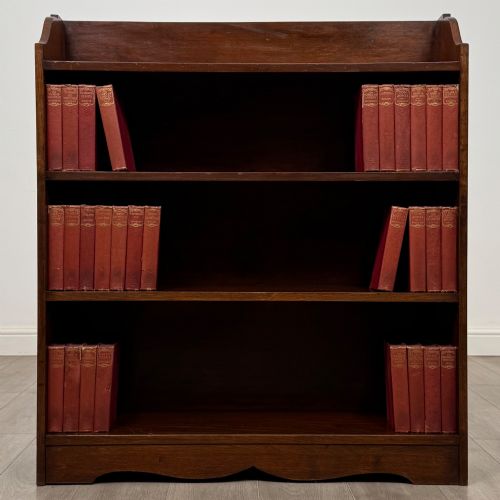
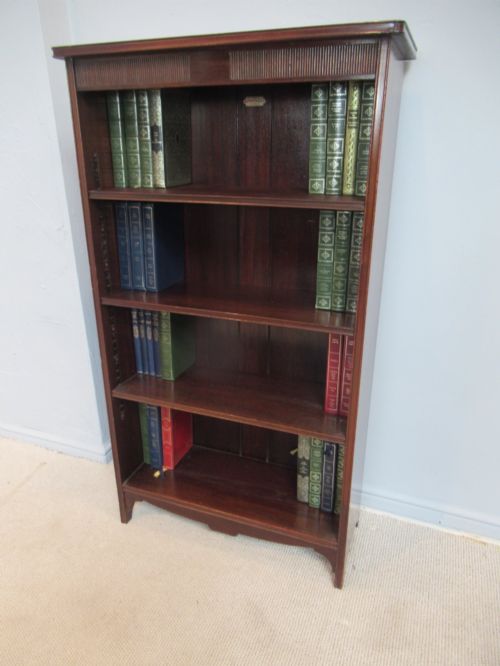
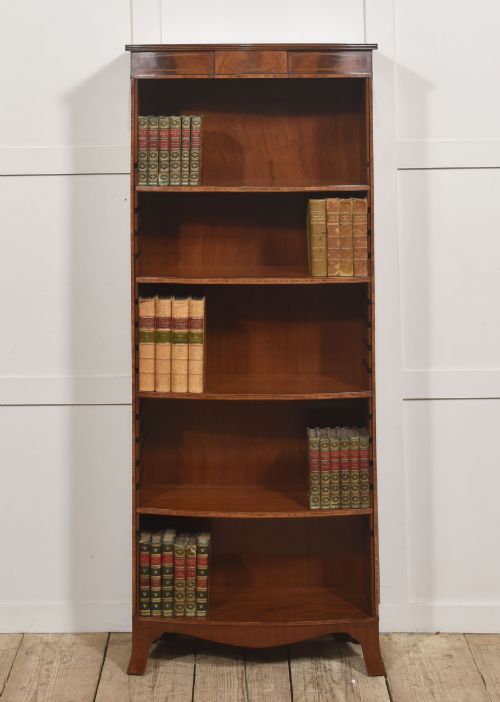
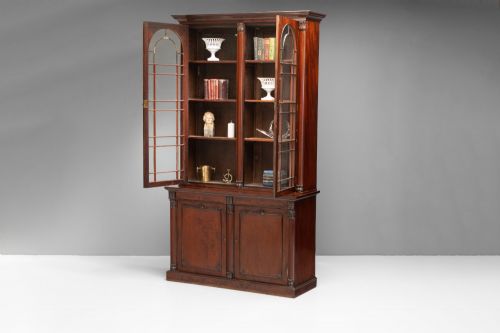
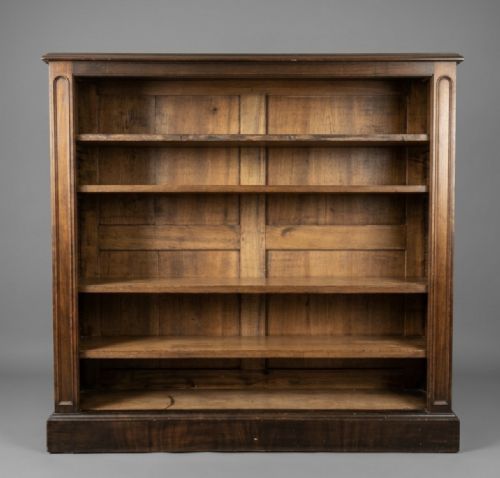
Forms range from tall breakfront cabinets with glazed doors to open mahogany bookcases and slim waterfall designs.
How they were made
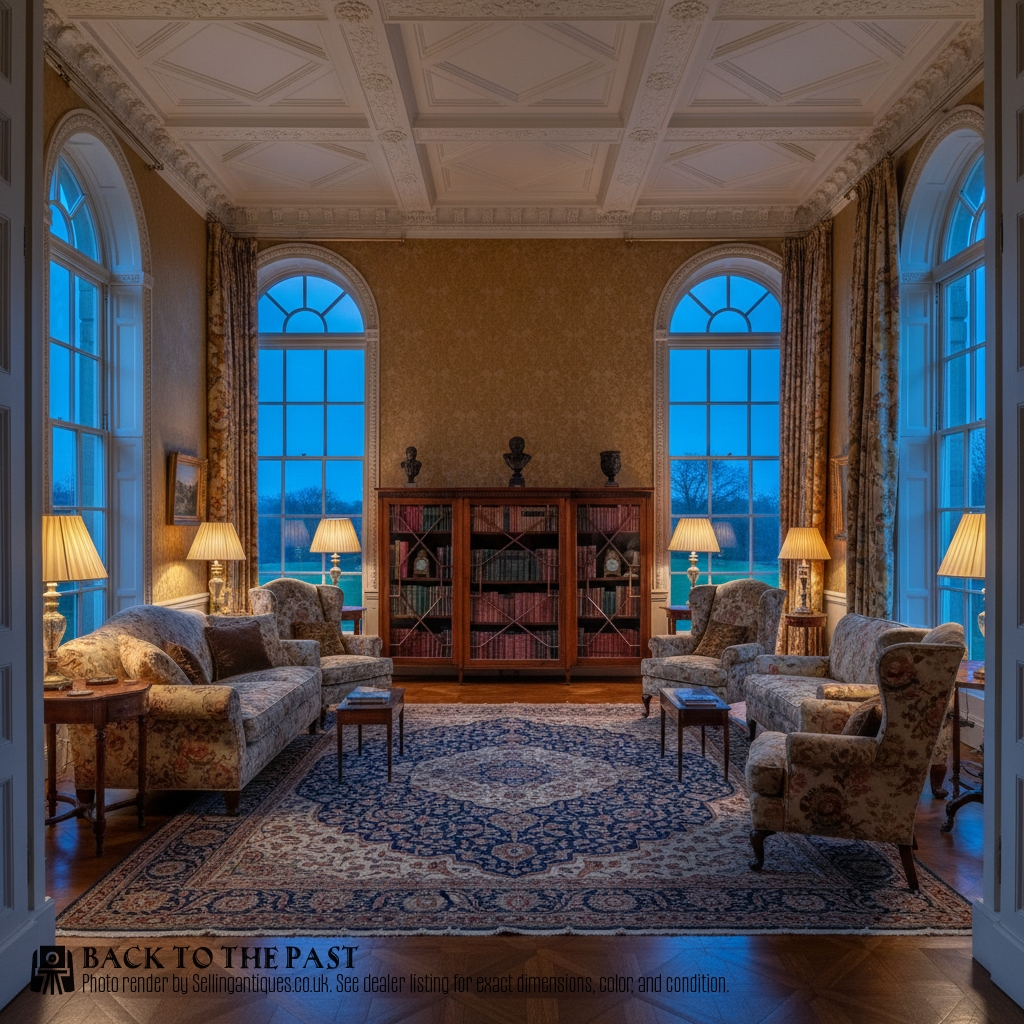
Cabinet makers utilised solid timbers alongside figured veneers, applying mahogany, walnut, burr walnut, and satinwood over sturdy carcases.
Glazing bars divided glass panels in cabinet doors, while brass hardware fitted drawers and cupboards, and intricate inlay decorated revival surfaces.
Listings feature mahogany, walnut, burr walnut, yew wood, and satinwood timbers, alongside glass, brass, and fabric elements.
What varies in quality
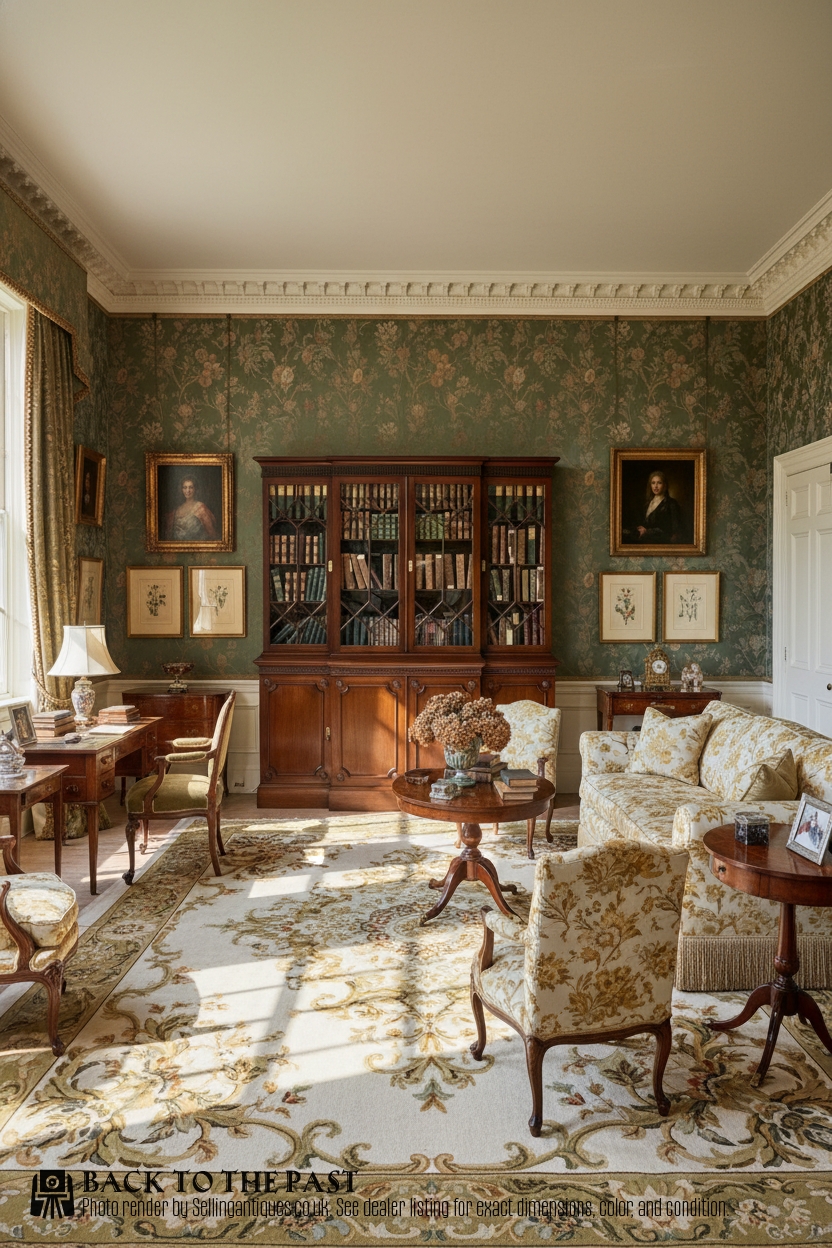
The standard of a piece depends upon the choice of timber, where flame mahogany veneer or burr walnut elevates the visual weight of the grain.
Refinement in the joinery, the crispness of inlaid details, and the proportions of breakfront cornices separate ordinary output from exceptional workshops.
Gillows·Maple & Co.·S&H Jewell of London·Waring and Gillows
The Georgian Style Library Bookcase Glossary
- Breakfront
- A cabinet design where the central section projects forward from the flanking wings. This architectural arrangement creates depth and shadow across the piece.
- Waterfall bookcase
- A set of open shelves that steps back progressively from bottom to top. The sides often follow this descending curve.
- Glazed bookcase
- A cabinet featuring glass panelled doors that protect volumes from dust while keeping titles visible. Timber framing holds the individual panes in place.
- Flame mahogany veneer
- A sliced layer of timber displaying a distinctive flickering flame pattern. Cabinet makers applied this to drawer fronts and door panels for decorative impact.
- Inlay
- Contrasting woods or materials inserted into a recess in the primary timber surface. This technique formed geometric lines or floral motifs on revival furniture.
Georgian Style Library Bookcase: Frequently Asked Questions
How do I style a large library bookcase?
Position the piece against a main wall in a study or sitting room where it anchors the proportions of the interior. Balance dense rows of book spines with decorative objects and ceramics on open shelves.
Allow surrounding space so the breakfront projection or glazed doors command attention without crowding the room.
What is the difference between open and glazed bookcases?
Open bookcases provide immediate access to volumes and display shelves without physical barriers. They suit everyday reading collections.
Glazed bookcase cabinets feature doors that enclose the shelving, protecting delicate leather bindings from dust and handling while presenting a formal architectural facade.
How do I identify a revival period piece?
Revival pieces draw upon earlier eighteenth-century proportions and decorative vocabulary while bearing the structural characteristics of nineteenth or twentieth-century construction. Look at the timber preparation and secondary woods inside drawers to read the true age.
Details such as Sheraton revival inlay or Chippendale style tracery imitate Georgian precedents with the manufacturing methods of a later era.
Are shelves adjustable in antique bookcases?
Many bookcases provide adjustable shelving supported by wooden ratchets or metal pins. This adaptability allows you to accommodate folios and varying book heights.
Fixed shelving appears more frequently in simpler open formats or older carcases where shelves were secured permanently during construction.