





English Mahogany Glazed Cabinet
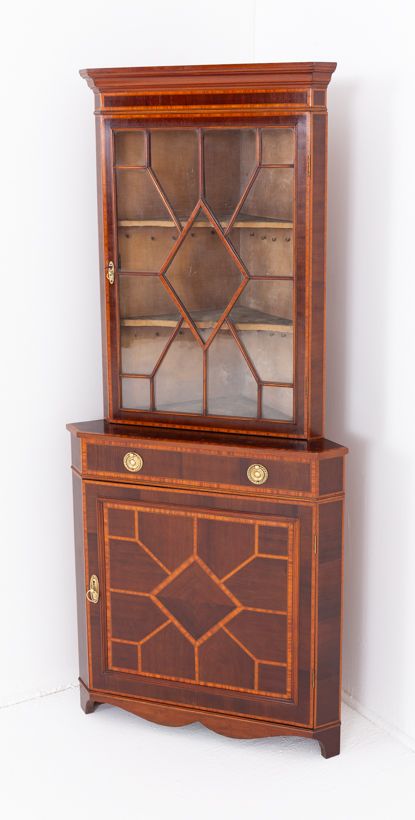
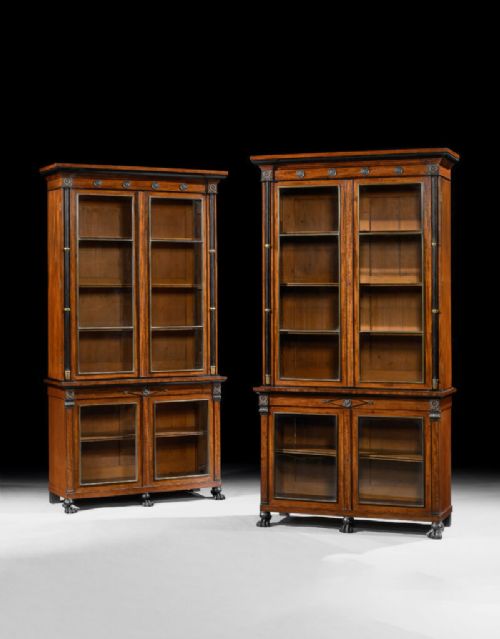
An english mahogany glazed cabinet brings warmth and orderly display to a room, ranging from grand breakfront bookcases to intimate corner cupboards.
English Mahogany Glazed Cabinet
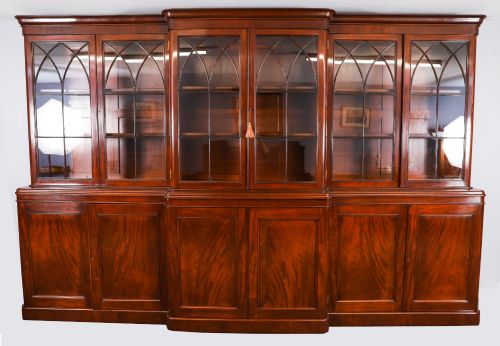
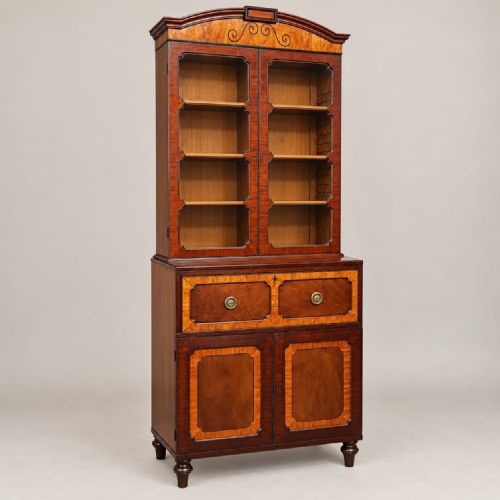
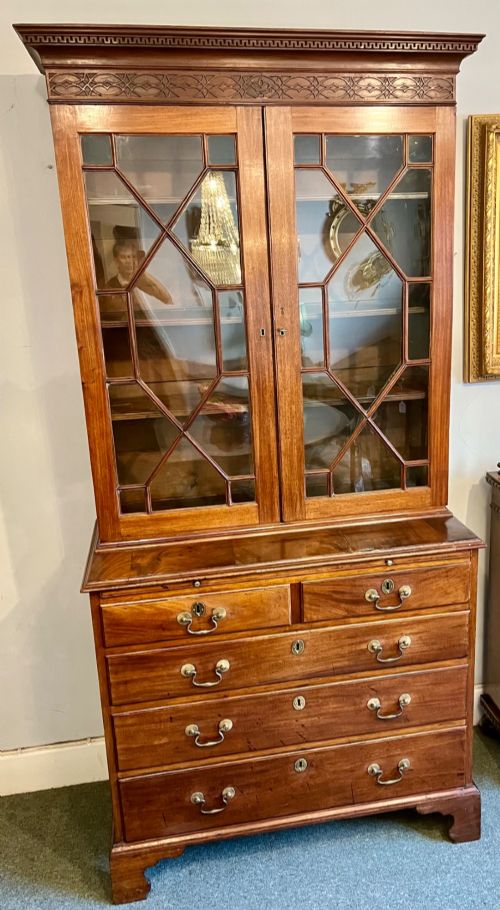
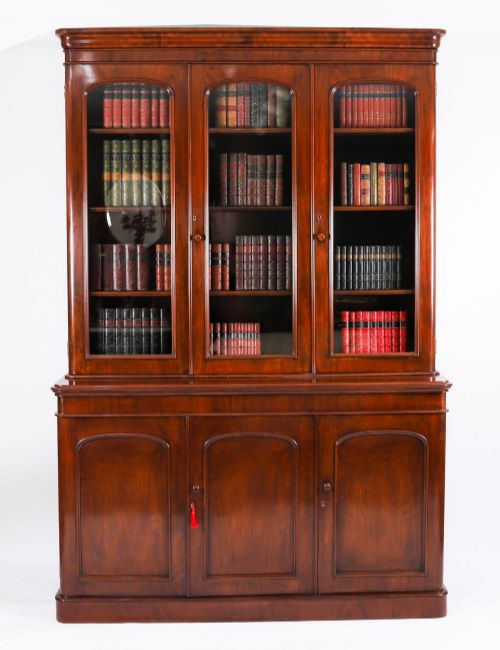
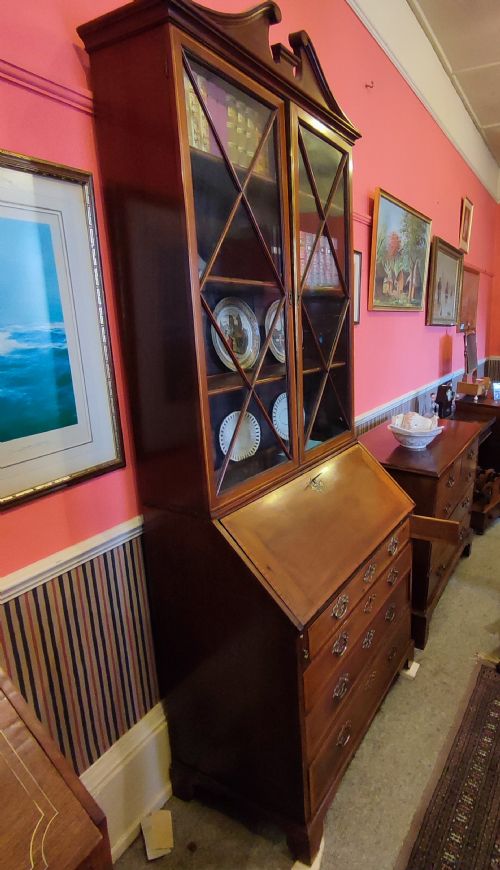
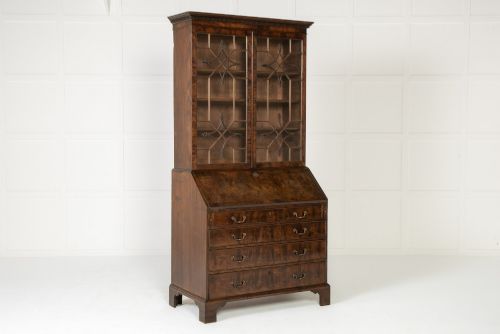
When you search for an english mahogany glazed cabinet, you encounter forms that span the eighteenth, nineteenth and early twentieth centuries. The selection encompasses tall library bookcases, secretaire bureau variants, and smaller wall or standing corner cabinets.
Georgian and Regency pieces provide the architectural weight of the selection, often featuring breakfront profiles and astragal glazing bars. Edwardian examples tend toward lighter display cabinets and bijouterie tables, reflecting changing domestic interiors.
The material vocabulary centres firmly on mahogany, sometimes enriched with flame mahogany veneers, satinwood inlay, or rosewood, paired with glass panes and brass hardware.
Materials and Construction
Cabinet makers utilised solid mahogany and rich veneers like flame mahogany, applying brass fittings and delicate satinwood inlay to enhance the timber. Glass panels were secured within wooden frames, frequently using astragal mouldings to divide the glazed upper sections.
Interior elements often incorporated velvet or fabric linings, particularly within display cabinets and bijouterie tables intended for delicate objects. Structural integrity relied on traditional joinery, housing drawers, adjustable shelving, and cupboards beneath the primary display areas.
English Mahogany Glazed Cabinet Retail Price Guide 2026
Typical asking prices for english mahogany glazed cabinet among the pieces listed under this phrase on Sellingantiques today, from the lower quarter to the upper quarter. They describe what is for sale here now, not the wider market.
Some specimen collector cabinets offer numerous small drawers designed specifically for holding historical natural history finds.
The Measure of Quality
Quality rests in the selection of the timber, where figured flame mahogany or precise marquetry elevates a piece beyond plain stock. The crispness of the cabinet maker's joinery, from the mitres on the glazing bars to the fitting of secretaire drawers, defines the execution.
Proportion and scale dictate the visual success of larger library bookcases and breakfront cabinets. Attribution to known workshops or the presence of original brass work and glass adds historical weight to the better examples.
Marsh & Tatham·Hille·Edwards & Roberts·James Winter & Sons·Gillows
The English Mahogany Glazed Cabinet Glossary
- Astragal glazed
- Glazing divided into small panes by narrow wooden mouldings. These bars hold the glass securely while creating a geometric grid across the door.
- Breakfront
- A piece of furniture with a central section that projects forward from the flanking wings. This architectural arrangement adds depth and presence to large library bookcases.
- Secretaire
- A desk disguised as a standard drawer or cabinet section that pulls down to reveal a writing surface and small pigeonholes. It combines storage with a functional writing space.
- Bijouterie table
- A glass-topped display table designed to exhibit small valuables and jewellery. They appear frequently in Edwardian interiors.
- Flame mahogany
- A veneer cut from timber where the grain creates a distinctive flickering flame pattern. Cabinet makers used this figure on prominent drawer fronts and doors.
English Mahogany Glazed Cabinet: Frequently Asked Questions
What is an english mahogany glazed cabinet?
These pieces are wooden storage and display units featuring glass doors, built predominantly from mahogany across various historical periods. They serve to protect and exhibit books, porcelain, and collected objects.
They appear in domestic interiors as tall library bookcases, corner cupboards, and drawing room display cabinets. The glass lets you view the contents while keeping dust at bay.
How do I date an english mahogany glazed cabinet?
Dating relies on stylistic clues such as the form of the cornice, the shape of the glazing bars, and the presence of revival details. Georgian and Regency pieces show architectural restraint or classical proportions, whereas Edwardian items often display lighter inlay.
Materials also offer guidance, as highly figured flame mahogany and specific brass hardware styles evolved over time. Comparing the construction methods inside drawers and carcases clarifies the era.
How do I clean an antique glazed cabinet?
Dust the exterior mahogany regularly with a soft, dry cloth to protect the polished surface. Avoid modern silicone sprays that can damage old timber finishes over time.
Clean the glass panes carefully using a mild glass cleaner applied to a cloth rather than sprayed directly, preventing moisture from reaching the wooden frames.
Where should I place a cabinet in my home?
Position these cabinets away from direct sunlight and heat sources to prevent the mahogany timber from drying out or warping. Stable room temperatures protect both the wood and any fabric or velvet linings inside.
Ensure the floor is level, particularly with tall breakfront bookcases, so the doors and glass panels align properly within their frames.