

Georgian Style Dressing Table
A georgian style dressing table brings refined proportions and rich cabinet timbers to the bedroom, offering traditional elegance that collectors prize.
Georgian Style Dressing Table
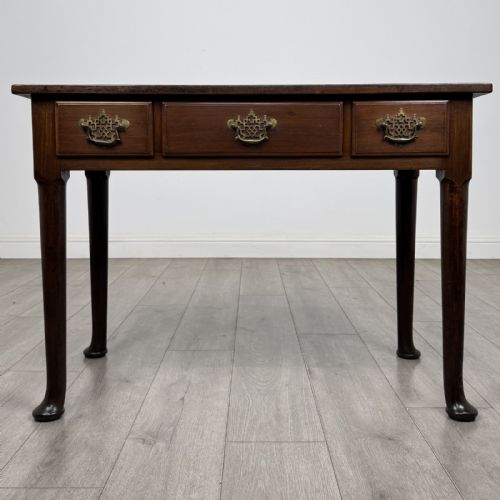
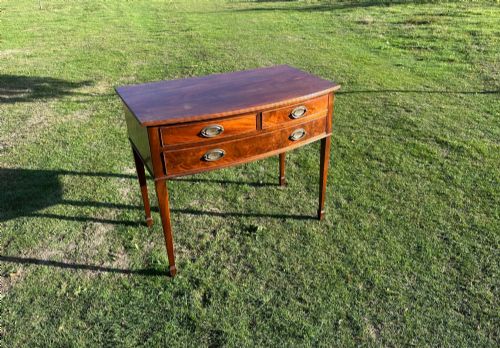
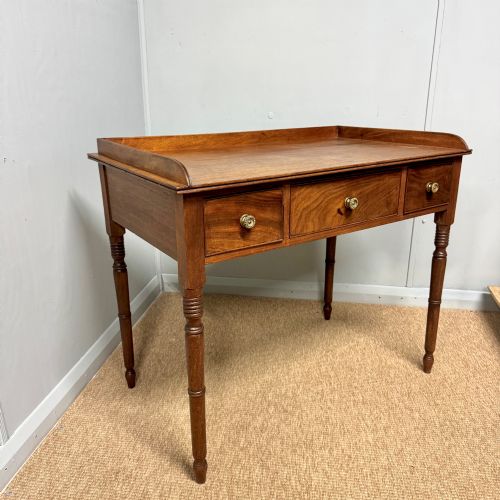
A georgian style dressing table encompasses various forms including traditional mirrors, lowboys, and full dressing tables spanning the nineteenth and early twentieth centuries. These pieces reflect the enduring design influence of earlier Georgian aesthetics through revival movements.
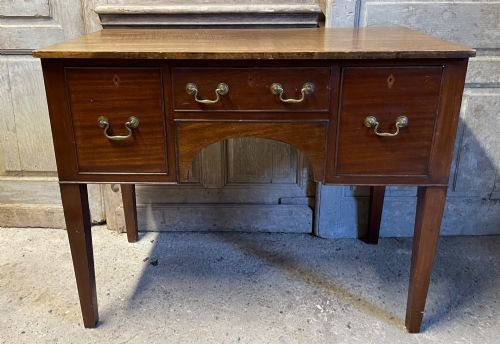
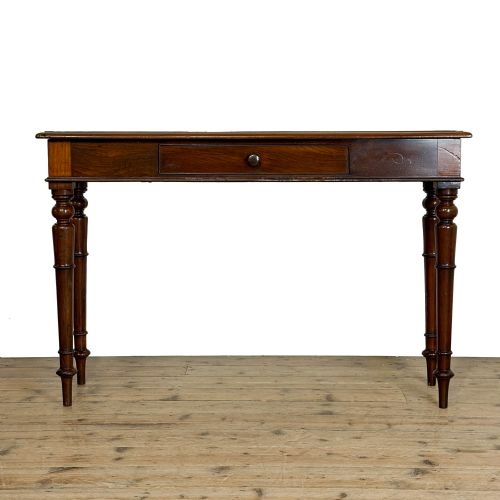
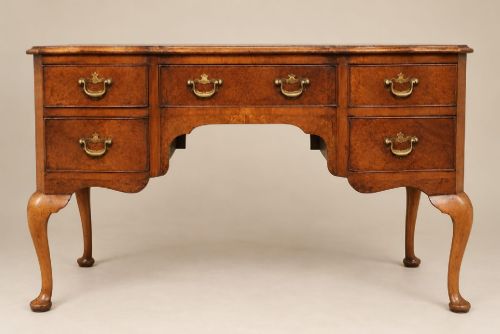
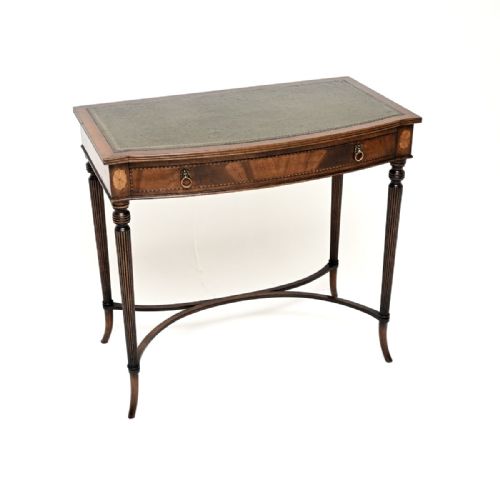
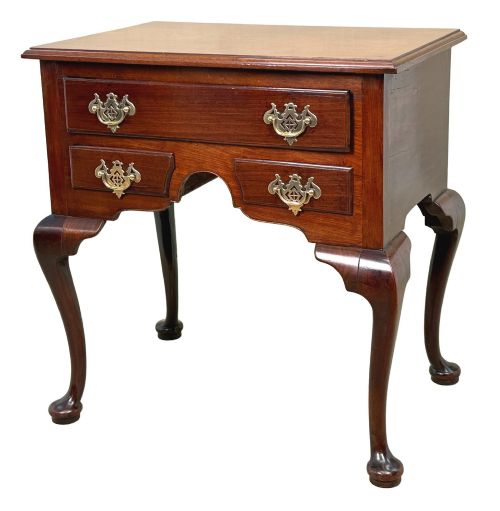
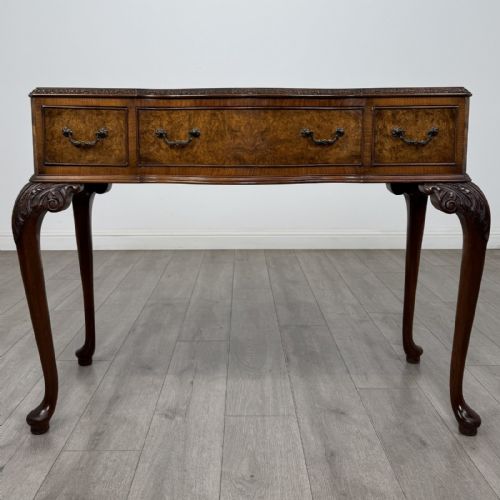
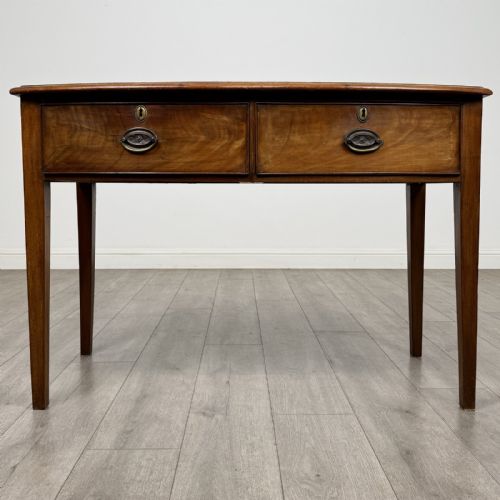
The pieces on this page appear in periods such as the nineteenth century, Edwardian era, and around nineteen twenty, often taking the form of side tables or lowboys with multiple drawers. Materials range from mahogany and burr walnut to lacquered wood with chinoiserie decoration.
Makers and craftsmen drew upon Regency, Queen Anne Revival, and Georgian Revival styles to create these dressing tables. Buyers frequently encounter walnut and mahogany examples alongside decorative lacquered finishes originating from English workshops.
How They Were Made
Cabinet makers utilised solid timbers and veneers of mahogany and burr walnut over secondary woods, shaping them into lowboy and dressing table forms. Metal fittings such as brass handles and hardware secured drawers and added functional detail.
Surface decoration involved specialised techniques including chinoiserie lacquering on wood, complemented by fitted mirror glass where the design required. Construction methods incorporated traditional drawer joinery to ensure durability across the nineteenth and early twentieth centuries.
Georgian Style Dressing Table Retail Price Guide 2026
Typical asking prices for georgian style dressing table among the pieces listed under this phrase on Sellingantiques today, from the lower quarter to the upper quarter. They describe what is for sale here now, not the wider market.
Object forms on this page include five-drawer dressing tables, lowboys, and dressing table mirrors reflecting Georgian and Regency styles.
What Varies in Quality
Quality rests upon the choice of timber figure, such as the richness of burr walnut or the grain pattern in mahogany. Superior examples demonstrate meticulous execution of cabinetwork and faithful adherence to revival styles.
Decorative elements like hand-painted chinoiserie lacquerwork distinguish exceptional pieces from simpler utilitarian items. The integration of original brass hardware and mirror glass also elevates the standing of a dressing table within its period.
The Georgian Style Dressing Table Glossary
- Lowboy
- A small dressing table or side table featuring a low profile with drawers beneath the work surface. This form gained popularity in the eighteenth century and remained a staple of revival design.
- Chinoiserie
- European decorative art imitating Chinese artistic styles, commonly seen as lacquered scenes on furniture. Craftsmen applied this technique to create ornate dressing tables.
- Burr Walnut
- Wood cut from a walnut tree growth that produces intricate, swirling grain patterns highly prized by cabinet makers. It provides a luxurious surface for high-end dressing tables.
- Regency
- An English design period spanning the early nineteenth century defined by classical restraint and neoclassical influences. Pieces from this era often exhibit clean lines and fine proportions.
Georgian Style Dressing Table: Frequently Asked Questions
What is a lowboy dressing table?
A lowboy is a compact side table with drawers, frequently utilised as a dressing table in bedrooms.
These pieces combine surface space with discrete storage while maintaining a low profile.
How do I identify a revival piece?
Revival furniture borrows stylistic elements from earlier eras like the Georgian period while utilising nineteenth or twentieth-century construction methods.
Examining the secondary woods and hardware helps determine the actual date of manufacture.
Where were these tables made?
The pieces listed originate primarily from English workshops and country houses, reflecting domestic cabinet-making traditions.
Specific provenance sometimes links individual tables to notable historical estates.
How do I care for lacquered wood?
Lacquered surfaces require gentle dusting with a soft cloth and protection from direct sunlight and excessive moisture.
Avoid chemical polishes that can degrade delicate finishes over time.