


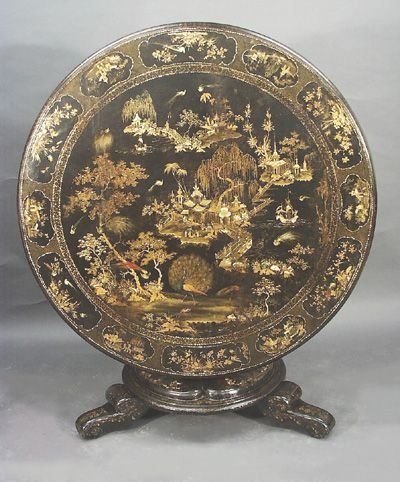
Georgian Style Chinoiserie Table
A georgian style chinoiserie table brings hand-painted oriental scenes and rich lacquer into a room, offering a functional surface with decorative narrative depth.
Georgian Style Chinoiserie Table
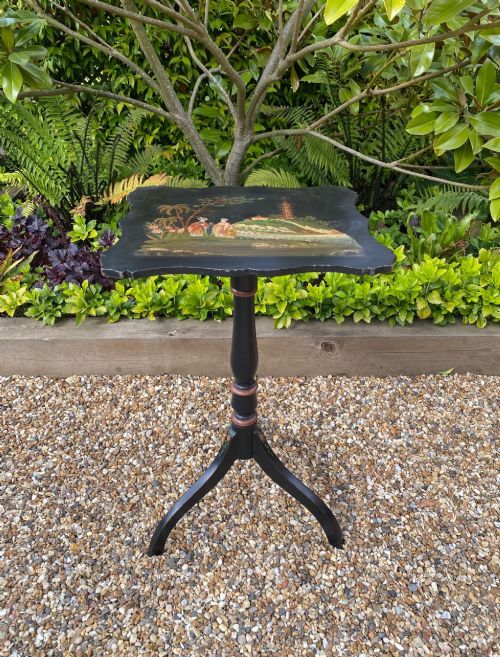
When you search for a georgian style chinoiserie table, you are looking at items designed with oriental motifs applied to traditional British furniture forms. The listings on this page span several periods, including the nineteenth century, Edwardian era, and the early twentieth century, alongside pieces dated around eighteen hundred, eighteen eighty, nineteen hundred, nineteen twenty, and nineteen sixty.
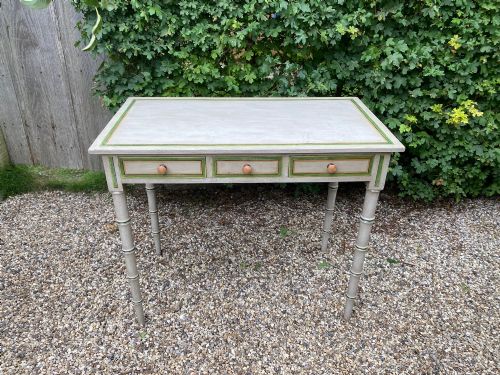
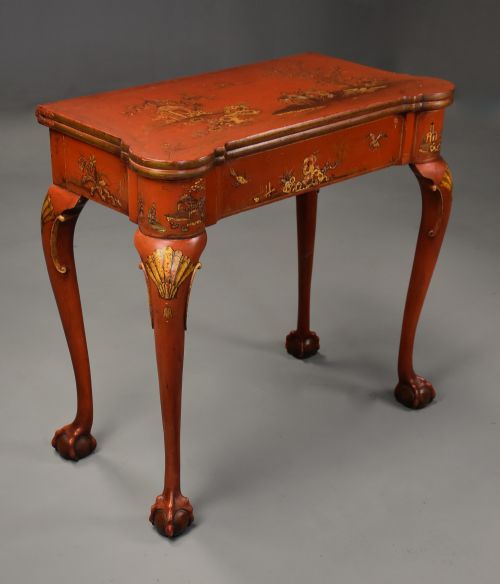
The forms vary across side tables, console tables, writing tables, games tables, card tables, desks, and tilt top tables. You will frequently encounter demi-lune card tables, drop-leaf lamp tables, and tripod side tables amongst the selection.
These items draw on distinct stylistic influences such as Chinese Chippendale, Regency, Neoclassical, and Adam styles. The maker often interpreted oriental decoration through the lens of eighteenth-century design principles, resulting in distinctive focal points for interiors.
Construction and materials
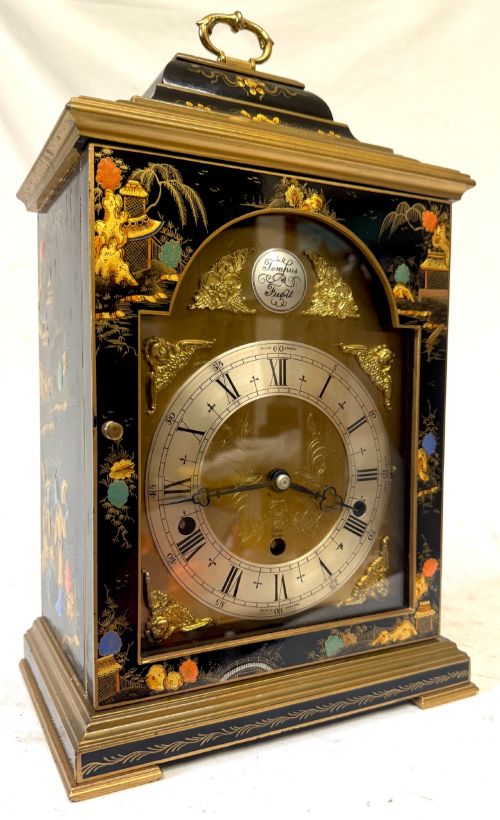
Makers utilised wood as the primary substrate, applying lacquer, painted finishes, and gold leaf to achieve the characteristic glossy surface. Materials recorded in the evidence include wood, lacquered wood, painted wood, brass, glass, and gilt.
Surface decoration involves detailed painting depicting oriental scenes, figures, and landscapes, often layered over a black, red, or japanned ground. Cabinetmakers combined these decorative schemes with traditional joinery suited to card tables, writing desks, and tripod supports.
Listings feature periods from the nineteenth century up to nineteen sixty, including Edwardian and early twentieth-century examples.
Assessing quality
Quality rests upon the execution of the hand-painted decoration and the depth of the lacquer finish. Superior examples display crisp detail in the figures and foliage, with smooth surfaces that reflect careful polishing.
The integrity of the underlying timber frame and the precision of the joinery also define the standard of the piece. Tables designed for practical use, such as card tables and writing desks, depend on sound mechanical construction alongside ornamental refinement.
Elliott London
The Georgian Style Chinoiserie Table Glossary
- Chinoiserie
- European interpretation and imitation of Chinese and East Asian artistic traditions, popular in furniture and decorative arts. It involves whimsical scenes of figures, pagodas, and landscapes.
- Japanned
- European-made imitation of East Asian lacquerwork, created by applying successive layers of varnish and heat-cured finishes. The technique produces a hard, glossy surface often decorated with gilt motifs.
- Demi-lune
- Half-moon shape used for console and card tables designed to stand flat against a wall. This form allows the table to occupy minimal floor space while providing a functional surface.
- Chinese Chippendale
- An eighteenth-century aesthetic characterised by fretwork, lattice patterns, and oriental motifs applied to mahogany and lacquered furniture. It merges British cabinetmaking with stylistic elements drawn from Chinese architecture.
Georgian Style Chinoiserie Table: Frequently Asked Questions
What is a chinoiserie table?
A chinoiserie table is a piece of furniture decorated with European interpretations of East Asian art, typically featuring painted scenes and lacquered surfaces.
These tables appear in forms such as card tables, writing desks, and side tables, serving both decorative and practical functions in a room.
How were these tables used originally?
Depending on the specific form, these tables served for card games, writing correspondence, or displaying ornamental objects in principal rooms.
Drop-leaf and tripod variations offered flexibility, allowing them to be moved easily or adjusted to suit the occasion.
How do I live with a lacquered table?
Lacquered surfaces require gentle care, avoiding direct sunlight and excessive moisture to protect the painted decoration and finish.
Using coasters and soft cloths for cleaning helps preserve the gloss and integrity of the lacquer over time.
How can I tell different periods apart?
Dating relies on examining the construction methods, timber types, and stylistic details such as Regency or Chinese Chippendale influences.
Earlier pieces often show hand-cut joinery and aged patination, whereas pieces from the Edwardian era and twentieth century reflect the manufacturing techniques of their respective decades.