
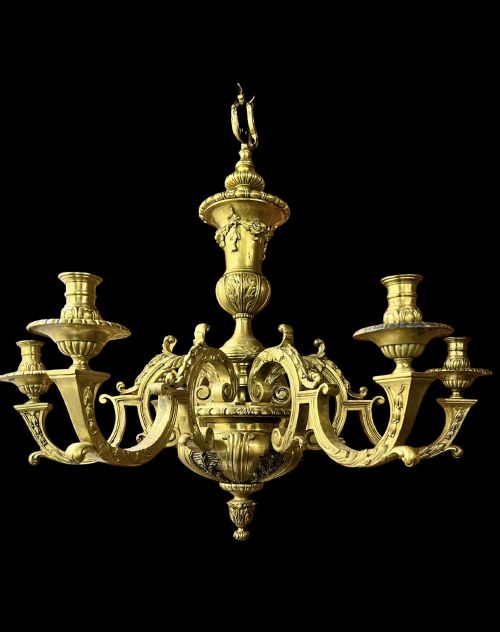


Georgian Style Brass Lighting
Georgian style brass lighting brings warmth and architectural elegance to a room through traditional forms and polished metalwork.
Georgian Style Brass Lighting
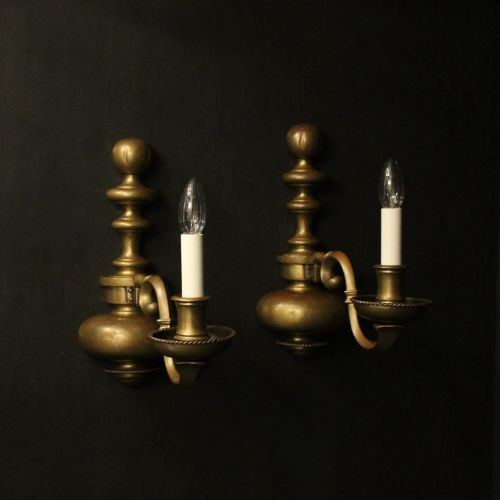
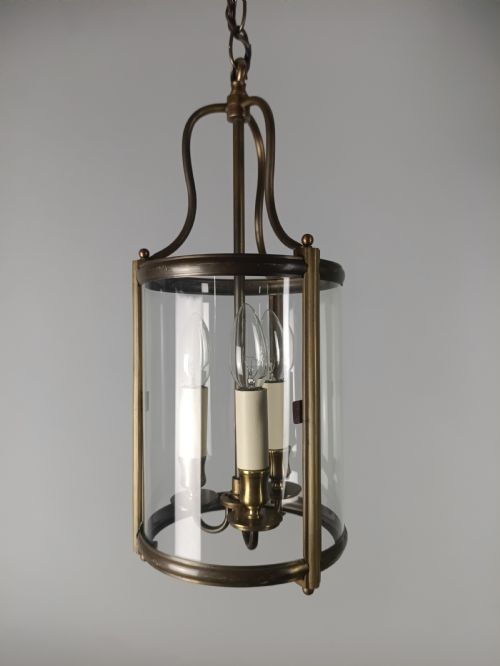
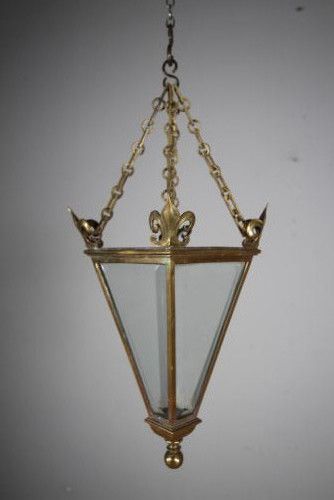
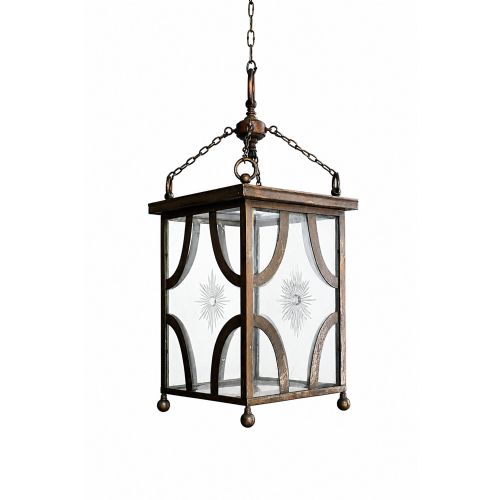
When you search for georgian style brass lighting, you encounter period and revival items spanning candlesticks, chandeliers, wall lights, and hall lanterns. These fittings replicate or continue the classic proportions and decorative vocabulary of the eighteenth century.
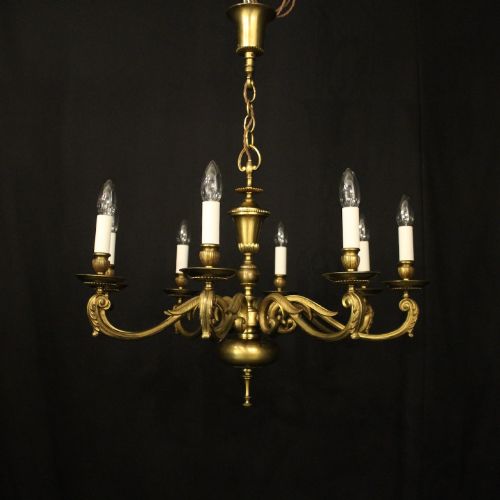
The pieces on this page lean heavily towards nineteenth century manufacturing and subsequent revival periods, alongside items dating back to eighteen hundred. Candlesticks and multi armed chandeliers dominate the selection, offering versatile options for period interiors.
Makers drew upon Adam revival, Regency, and English neoclassical design idioms to shape cast brass, gilded bronze, and mahogany combinations. This mix provides both functional illumination and decorative presence in hallways, reception rooms, and dining spaces.
How they were made
Foundry workers utilised casting techniques to shape raw brass and bronze into structural chandelier bodies, wall sconces, and candlestick stems. Molten metal poured into moulds allowed artisans to achieve crisp surface detailing and complex scrollwork before final hand finishing.
Gilding and polishing enhanced the base metal, while secondary materials such as glass panes in lanterns and mahogany column sections introduced textural contrast. Craftsmen assembled these components using threaded fittings and pins, creating robust fixtures designed for long term domestic use.
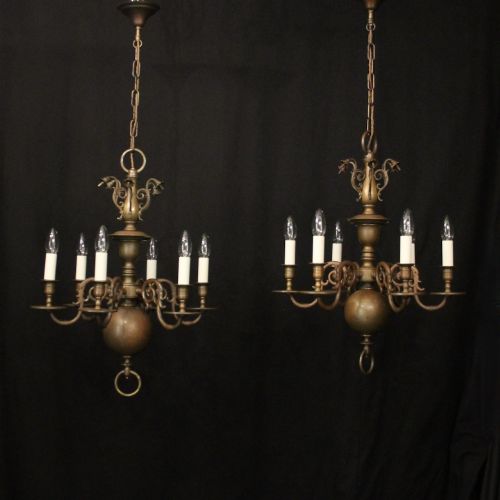
A nimble two tier Dutch branch chandelier proves that eighteenth century engineers simply wanted more candles per square inch.
What varies in quality
The distinction between standard production items and superior examples lies in the crispness of the cast ornamentation and the weight of the metal utilised. Heavier brass castings hold sharper relief in foliage, fluting, and neoclassical motifs.
Assembly methods and finishing also differentiate the tiers of production, where hand chasing and careful polishing reveal subtle depth in gilded surfaces. Superior fixtures exhibit precise alignment across arms and consistent matching within paired sets.
J.T. & Co·Messenger
The Georgian Style Brass Lighting Glossary
- Ormolu
- A gilded bronze technique popular for decorative mounts and lighting components. It provides a rich, warm surface appearance resembling solid gold.
- Adam Revival
- An architectural and decorative style drawing on ancient Roman motifs. It introduces symmetrical urns, swags, and delicate classical restraint into lighting design.
- Bouillotte lamp
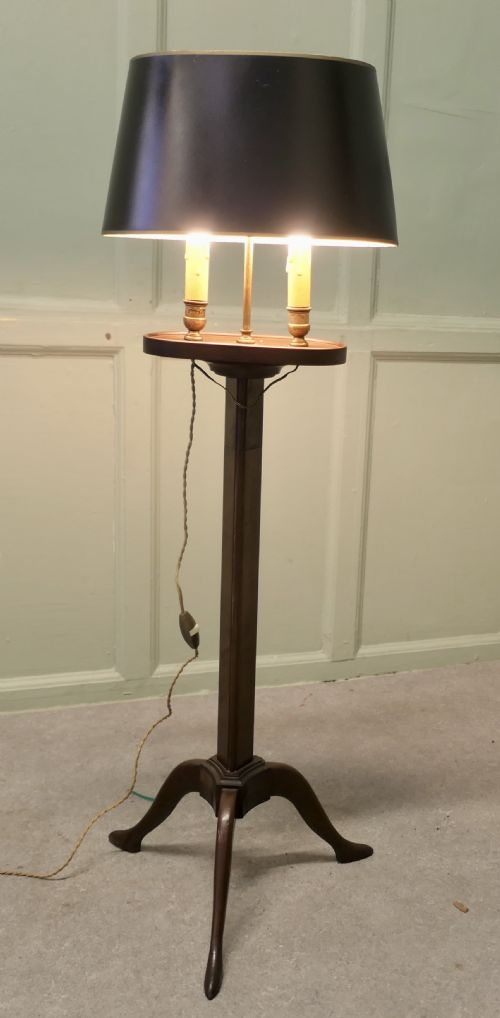
- An adjustable candle lamp featuring a central column and a metal shade. It was originally designed for card playing and reading.
- Sconce
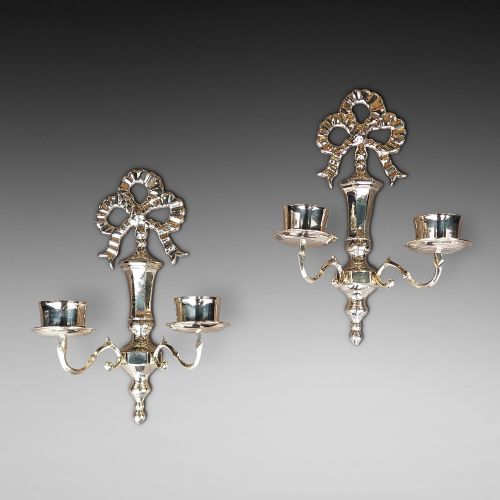
- A wall mounted lighting fixture holding candles or electric bulbs. It projects illumination outward from wooden or plastered wall surfaces.
- Hall lantern
- An enclosed hanging light designed for corridors and entranceways. It typically uses glass panels within a metal frame to protect the internal candle or oil burner from drafts.
Georgian Style Brass Lighting: Frequently Asked Questions
How do I hang a heavy brass chandelier safely?
Suspension requires locating a ceiling joist or installing a heavy duty metal bracket capable of supporting the dead weight of the brass body and arms. Professional electrical installation ensures the wiring matches modern safety standards while securing the hanging chain safely.
Once anchored, adjust the drop height so the fixture clears foot traffic while remaining visually anchored to the room's proportions.
How do I clean antique brass without damage?
Dust regularly with a dry, soft cloth to prevent surface grime accumulation. Avoid harsh chemical polishes that strip away historical patination and mellow ageing.
If cleaning is necessary, use mild soapy water on a damp cloth, drying immediately to prevent water spots on the metal surface.
Can these antique lamps be converted to electricity?
Many candlesticks and oil lamps adapt well to modern wiring without altering the structural integrity of the original metal components. Qualified restorers run discreet internal cords through the central column or use specialised bulb fittings.
Reversible conversion methods preserve the antique value of the piece should a future owner wish to return it to candle use.
How do I distinguish eighteenth century brass from later revivals?
Examine the casting marks, base construction, and wear patterns across the metal surface. Earlier pieces often show heavy base wear, uneven casting thickness, and hand filed components rather than uniform machine finishing.
Revival pieces from the nineteenth and twentieth centuries frequently adopt cleaner internal threading and standardised screw fasteners.