



Georgian Column Table Lamps
Georgian column table lamps bring sturdy mahogany timbers and classical turned supports into domestic rooms.
Georgian Column Table Lamps
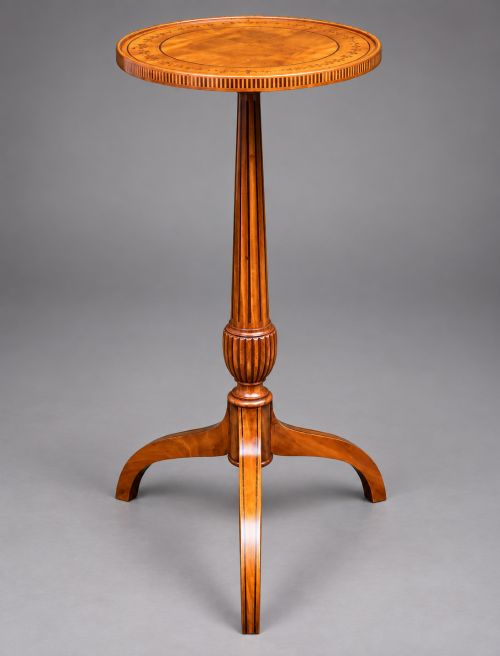
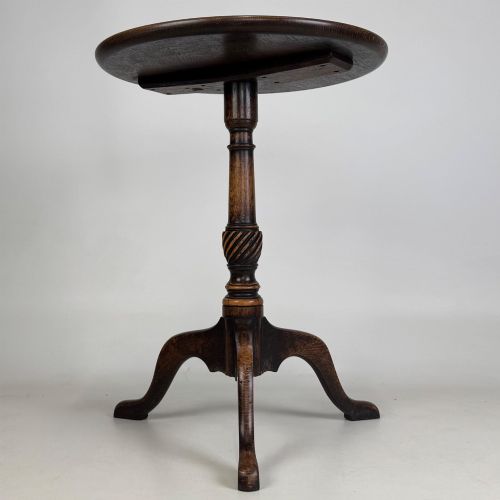
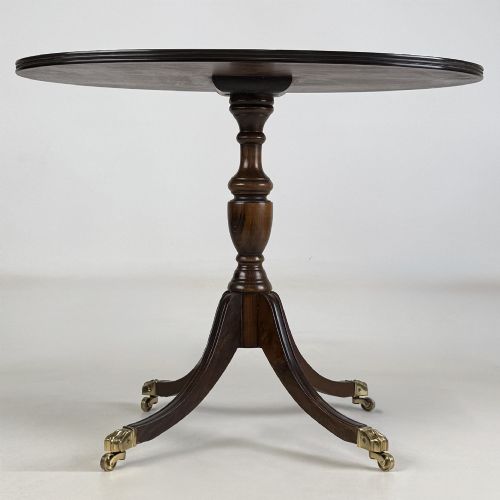
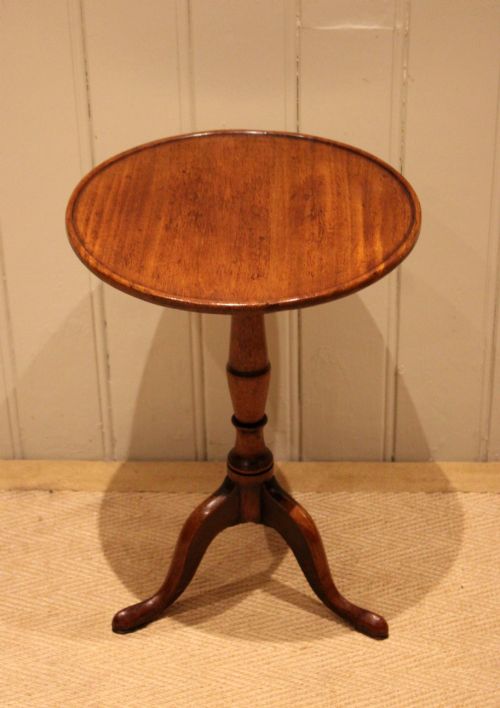
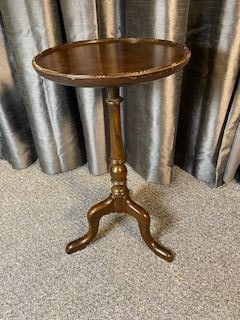
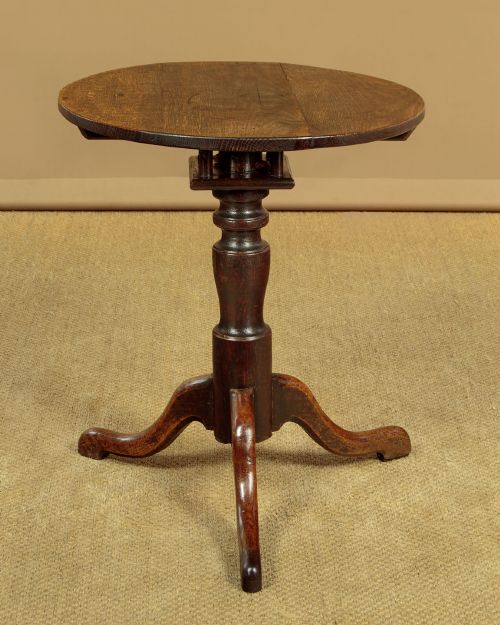
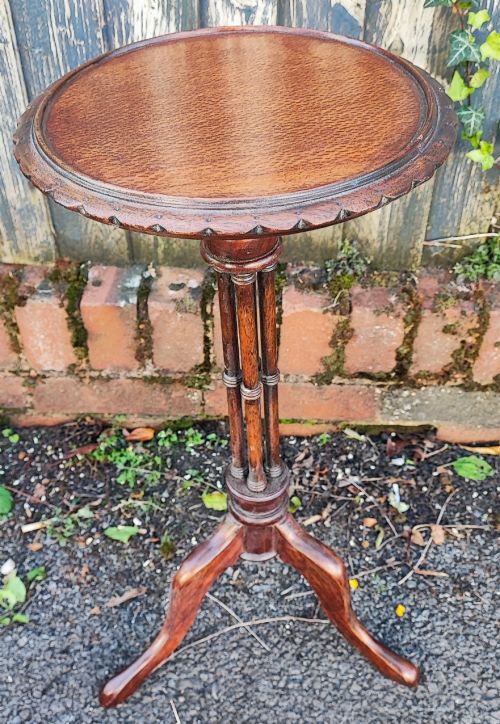
When you search for georgian column table lamps, you are examining compact items that adapt earlier tripod and occasional tables or traditional brass lighting for modern illumination. The titles show forms spanning side tables, wine tables, tripod tables, and kettle stands alongside specific lamp designs.
You will encounter mahogany most frequently, often dating from the 18th century, Regency period, and 19th century, with occasional oak, yew, and brass examples appearing across Georgian and Victorian styles.
How they were made
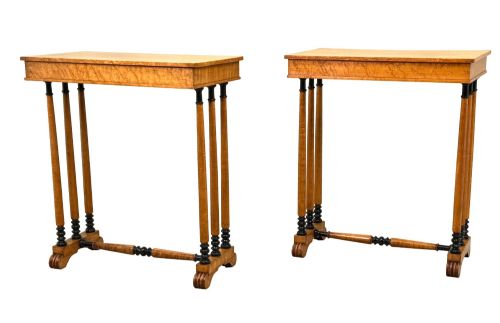
Cabinetmakers worked primarily with solid mahogany, oak, and yew, incorporating satinwood, boxwood stringing, and burr oak veneer for decorative surfaces. Turned columns and tripod legs provide the structural support seen in the listings.
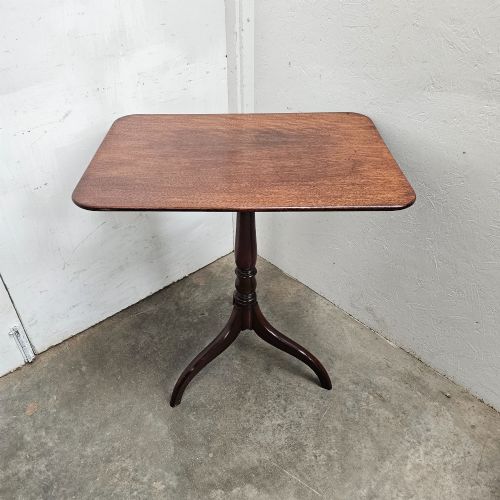
Construction methods include tilt-top mechanisms, brass fittings, and ormolu mounts, combining joinery with cast metal elements.
Some tilt-top tables spent their days folded flat against the parlour wall just to save a few inches of floor space.
What varies in quality
The choice of timber creates the primary distinction between pieces, with figured mahogany and birdseye maple sitting above standard utility woods. Crispness in the turning of the column and the refinement of the tripod base separate standard examples from finer ones.
The presence of period details such as boxwood stringing, inlay, and original brass or ormolu mounts marks out the standard of the execution.
Gillows
The Georgian Column Table Lamps Glossary
- Tripod table
- A small stand supported by three legs radiating from a central turned column. They appeared frequently in 18th-century and Regency interiors for serving wine or holding lamps.
- Tilt-top
- A mechanism allowing the tabletop to pivot into a vertical position when not in use. This saved space in domestic rooms.
- Occasional table
- A small, movable table used for specific tasks like holding a lamp or a book. The listings show many examples in mahogany and satinwood.
- Wine table
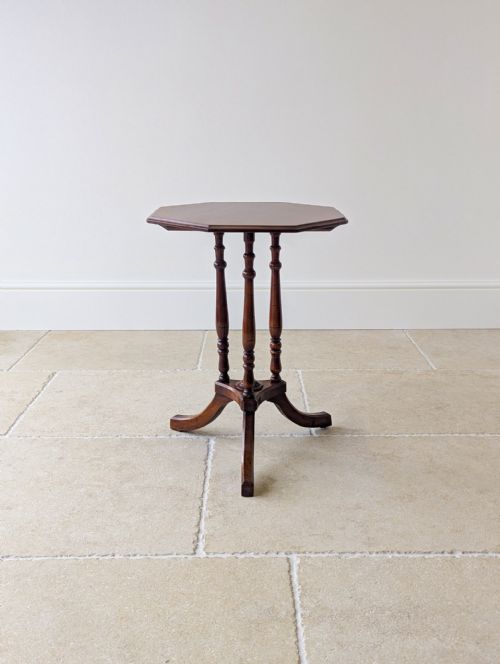
- A small round or octagonal stand designed to hold glasses and bottles near seating. They share forms with lamp tables in the evidence.
- Stringing
- A thin inlay of contrasting wood used to outline the edges of table tops. Boxwood is common on Regency pieces.
Georgian Column Table Lamps: Frequently Asked Questions
What is a Georgian column table lamp?
These items combine traditional wooden tripod bases or classical columns with lamp fittings. They derive their forms from 18th-century and Regency occasional stands.
Cabinetmakers originally built them as wine tables or kettle stands before later adaptation for lighting.
Which woods were used for these pieces?
Mahogany forms the majority of the surviving listings, supplemented by oak, yew, and satinwood. Cabinetmakers also utilised burr oak veneer and birdseye maple for decorative surfaces.
Inlay materials include boxwood stringing, while metal components feature brass and ormolu.
How do I identify a Regency period table?
Regency pieces often display cleaner classical lines, sometimes incorporating boxwood stringing on mahogany or distinctive octagonal tops. They date from the early 19th century and reflect changing classical tastes.
Makers such as Gillows worked during this era, producing occasional tables with refined proportions.
Where should I place a tripod lamp table?
Their compact footprint suits placement beside armchairs, sofas, or in corners where floor space is limited. The three-legged base provides stability on even surfaces.
They function practically as reading lights while adding period character to a room.