




18th Century Style Lighting
These pieces of 18th century style lighting bring the grand illumination of Georgian and Baroque interiors into contemporary rooms.
18th Century Style Lighting
Buyers seeking 18th century style lighting encounter a diverse array of fixtures designed to replicate the dramatic illumination of earlier centuries. The selections on this page span several centuries of manufacturing, mixing authentic period pieces from the seventeen-hundreds with later revivals produced up to the twentieth century.
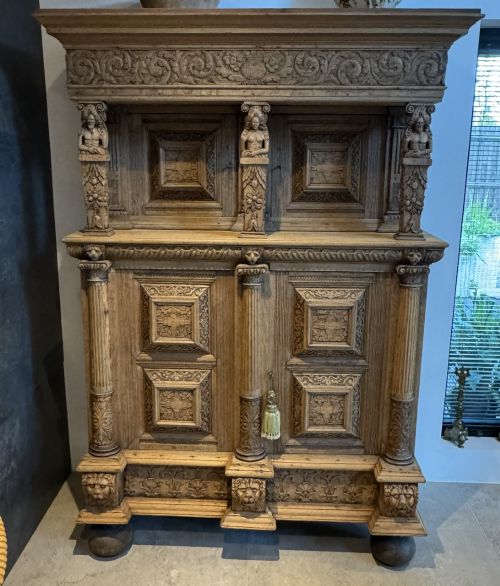
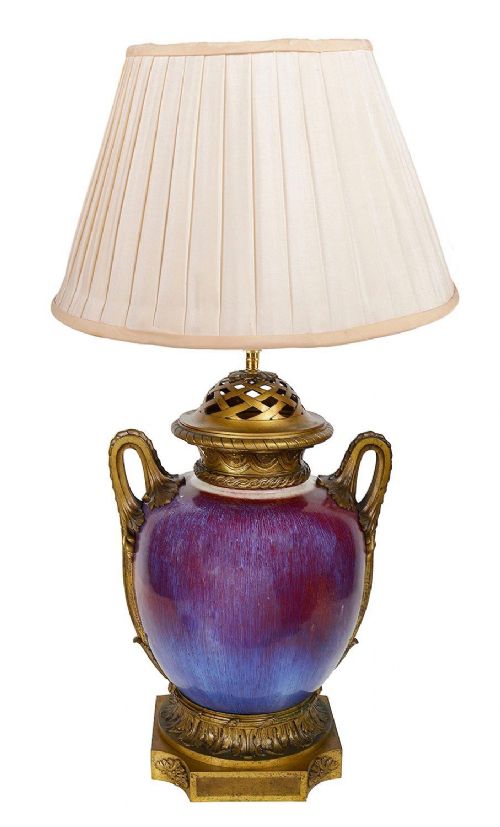
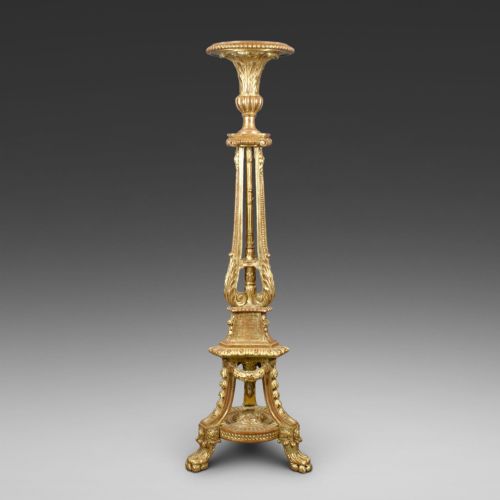
The physical forms found in this category range from multi-branched chandeliers and hanging lanterns to pairs of altar-style candlesticks and table lamps converted from oriental vases. Materials vary considerably, incorporating carved giltwood, polished brass, and mounted porcelain across different stylistic traditions including Italian Neoclassical and Flemish Baroque.
Most items meeting this description serve as functional decorative objects, often retaining or adapting historical lighting mechanisms for modern use. The physical presence of these fixtures tends to dominate a room, utilising ornate wooden carving and metallic gilding to catch the light.
Materials and construction methods
Construction relies heavily on traditional woodworking and metal casting techniques, as recorded across brass, carved wood, and gilt bronze. Artisans shaped timber into elaborate giltwood frameworks or carved solid oak and walnut for foundational furniture and structural supports.
Metalworking traditions are equally prominent, utilising cast brass, old Sheffield silver plating, and ormolu mounts to secure porcelain vessels and glassware. Gilding techniques applied gold leaf, gesso, and silvered mecca finishes to wooden surfaces, creating rich reflective qualities suited to period interiors.
Musicians sit permanently frozen in ormolu, presiding over candlelight while holding silent instruments across the centuries.
Factors separating exceptional pieces
Quality in these lighting fixtures depends upon the crispness of the hand-carving in wood elements and the precision of the metal casting. Superior examples display deep relief work and finely chased details on ormolu or brass components, whereas lesser items rely on simplified moulding.
The integrity of the original surface finish heavily dictates value, with genuine period gilding and untouched patination marking out the finer specimens. Structural proportions also play a decisive role, as master craftsmen achieved a visual balance that mechanical reproductions often miss.
The 18th Century Style Lighting Glossary
- Giltwood
- Timber that has been coated with a thin layer of gold leaf over a prepared gesso ground. This technique creates a luminous surface characteristic of grand European mirrors and lighting fixtures.
- Ormolu
- Finely ground high-carat gold applied in a mercury amalgamation to a bronze base. The process produces a rich metallic lustre common on mounts and candelabra.
- Mecca
- A transparent golden varnish applied over silver leaf or tin to imitate genuine gilding at a lower cost. It appears frequently on Italian altar candlesticks.
- Torchere
- A tall stand designed to support a candelabrum or light fixture. These pieces often feature elaborate carved wooden shafts and tripod bases.
- Chandelier
- A branched ceiling-mounted lighting fixture designed to hold multiple candles or bulbs. Dutch brass examples and carved giltwood variants dominate this form.
18th Century Style Lighting: Frequently Asked Questions
How do I date these pieces accurately?
Dating relies on examining tool marks, timber shrinkage, and the composition of the metal alloys used in construction. Stylistic markers also help distinguish eighteenth-century originals from later nineteenth and twentieth-century revivals.
Examining the underside and fixing points reveals assembly methods typical of specific eras. Comparing the wear patterns against known historical manufacturing techniques confirms the true age of the object.
Are these lamps safe for modern electrical use?
Many items listed as lamps have been converted from vases or antique candlesticks at various points in their history. Rewiring is frequently necessary to meet current safety standards.
Professional installation ensures that historic materials are not damaged during the conversion process. Buyers should inspect the internal wiring and consult an electrician before daily use.
How should I clean gilded surfaces?
Giltwood and ormolu require gentle dusting with a soft, dry brush to prevent the removal of the delicate metallic leaf. Moisture and chemical cleaning agents cause immediate damage to historic finishes.
Professional conservation is recommended for pieces showing significant wear or flaking gesso. Regular maintenance involves simply keeping the objects away from direct sunlight and excessive humidity.
What is an altar-style candlestick?
These tall candlesticks originated in ecclesiastical settings and were designed for placement on church altars. Their impressive proportions made them suitable for high-visibility ritual use.
Later domestic interiors adopted the form for decorative impact on sideboards and tables. They typically feature heavy wooden bases with silvered or gilded finishes.